





What's Happening?
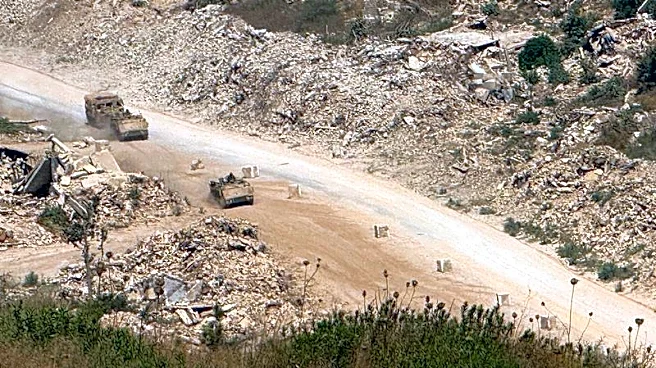
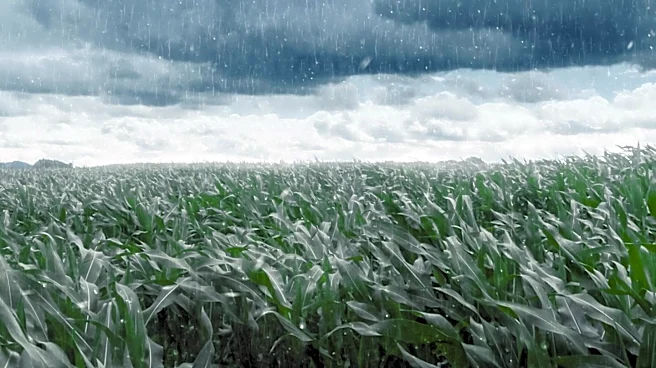
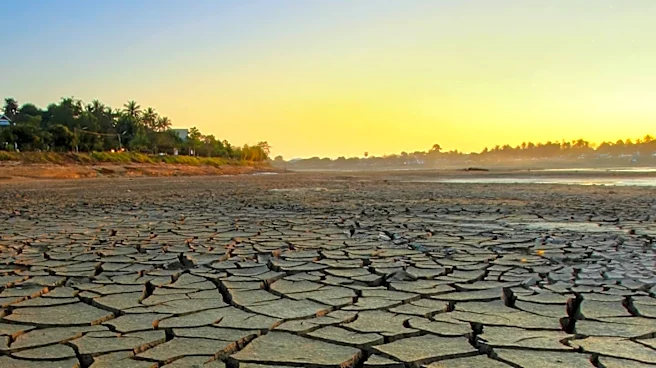
Global food prices have reached their highest level in three and a half years as of July, according to the UN Food and Agriculture Organisation. This increase is attributed to extreme weather conditions and escalating conflicts in the Middle East, which
have driven up crop costs. The index of food and commodity prices indicates that cereal prices rose by 3.4% month-on-month in July, while sugar prices saw a 5.6% increase. These developments highlight the vulnerability of global food supply chains to environmental and geopolitical factors.
Why It's Important?
The surge in global food prices has significant implications for economies worldwide, including the United States. Rising food costs can lead to increased inflation, affecting consumer purchasing power and potentially slowing economic growth. For U.S. businesses, particularly those in the food and beverage industry, higher input costs may result in reduced profit margins or necessitate price increases for consumers. Additionally, the situation underscores the importance of addressing climate change and geopolitical stability to ensure food security. Vulnerable populations may face increased food insecurity, prompting potential policy responses from governments and international organizations.
What's Next?
As global food prices continue to rise, stakeholders may need to consider strategies to mitigate the impact on consumers and businesses. Governments could explore policy measures to stabilize food prices, such as subsidies or import adjustments. International cooperation may be necessary to address the root causes of price increases, including climate change and conflict resolution. Monitoring future weather patterns and geopolitical developments will be crucial in predicting and managing further fluctuations in food prices.
Beyond the Headlines
The current spike in food prices highlights broader issues related to global supply chain resilience and the interconnectedness of environmental and political factors. Long-term solutions may involve investing in sustainable agricultural practices and enhancing international cooperation to address climate change. Additionally, the situation may prompt discussions on the need for diversified food sources and improved infrastructure to withstand future disruptions.