





What's Happening?
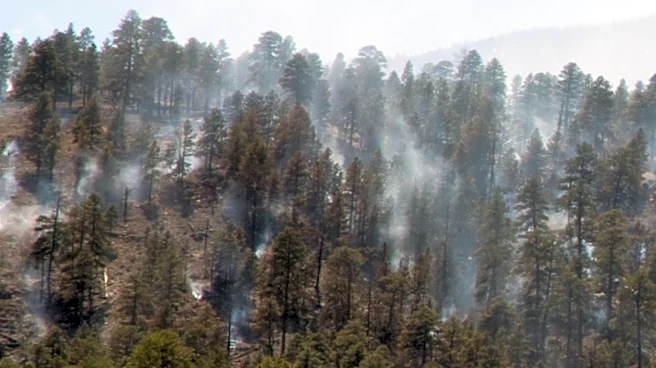
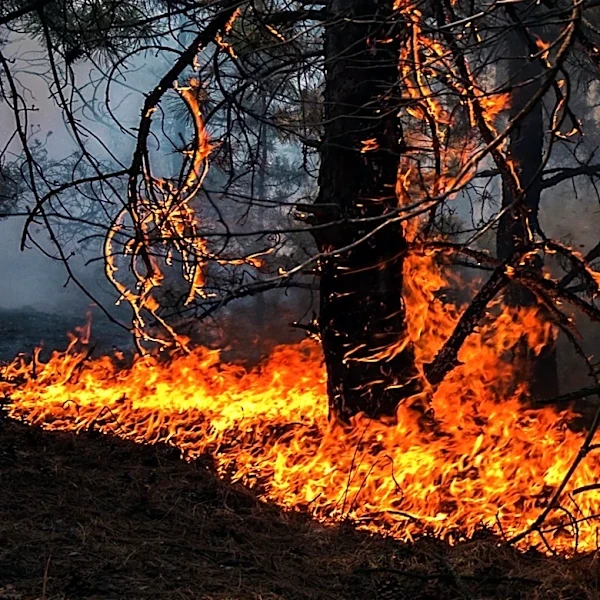
Over the past 11 days, several wildfires have collectively burned approximately 275 acres across New York State. The New York Almanack reports that these fires have occurred in various locations, including the Village of Sharon Springs in Schoharie County,
Piercefield Flow near Tupper Lake in Franklin County, Chicken Farm Road in the Town of Butternuts in Otsego County, Indian Lake in Hamilton County, and Mattison Hollow on the Taconic Crest Trail in Berlin, Rensselaer County. The causes of these fires range from a landowner burning trees to an illegal campfire. One significant incident near Mattison Hollow spread to 251 acres due to steep and rocky terrain, necessitating the involvement of over a hundred firefighters from neighboring states and the National Guard to achieve full containment by October 27th. The fire danger across the Catskills and much of Eastern Upstate New York remains elevated, with parts of the state experiencing abnormally dry conditions.
Why It's Important?
The elevated fire danger and recent wildfires in New York State pose significant risks to public safety, natural resources, and property. The incidents highlight the vulnerability of communities to environmental hazards, especially during periods of dry weather and fall foliage. The deployment of extensive firefighting resources, including personnel from neighboring states and the National Guard, underscores the severity and potential strain on emergency services. Economically, wildfires can lead to property damage, disruption of local businesses, and increased costs for fire suppression and recovery efforts. For residents and outdoor enthusiasts, the warnings about extreme care with outdoor fires are crucial to prevent further incidents, emphasizing the need for responsible behavior to protect both lives and the environment. The ongoing dry conditions suggest that this issue could persist, impacting air quality and outdoor activities.
What's Next?
With fire danger remaining elevated, New York State authorities will likely continue to issue warnings and implement preventative measures to mitigate the risk of further wildfires. The New York Almanack advises campers, hunters, and other outdoor recreationists to avoid campfires outside of established fire rings and to ensure any fires are completely extinguished. Public awareness campaigns on wildfire prevention tips, such as proper campfire extinguishing techniques and avoiding discarding ashes on vegetation, are expected to intensify. Forest Rangers will continue to monitor conditions and respond to new incidents. The long-term outlook suggests that if dry conditions persist, the state may face an extended period of heightened fire risk, potentially leading to further restrictions on outdoor burning and increased vigilance from emergency services and the public.
Beyond the Headlines
The recurring wildfires in New York State underscore broader environmental challenges, particularly the impact of changing weather patterns and prolonged dry spells. This situation highlights the delicate balance between human activity and natural ecosystems, where seemingly minor actions like illegal campfires can have widespread and costly consequences. The involvement of multiple agencies and states in fire suppression efforts points to the interconnectedness of regional environmental management and the necessity of collaborative responses to natural disasters. Furthermore, the issue raises questions about land management practices, public education on environmental responsibility, and the long-term strategies needed to adapt to and mitigate the effects of climate-related risks on a local and state level. The potential for hot embers to smolder for days before detection also reveals a hidden danger that requires constant vigilance.