






What's Happening?
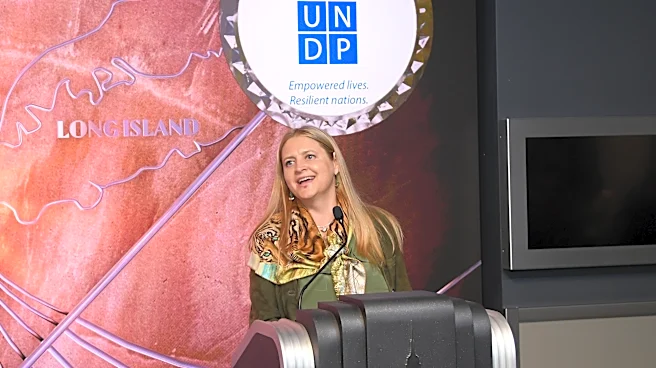
The Global Carbon Council (GCC), in collaboration with the World Bank and the Common Market for Eastern and Southern Africa (COMESA), has launched the Energy Access Program Standard. This initiative, unveiled at the 31st Conference of the Parties (COP31)
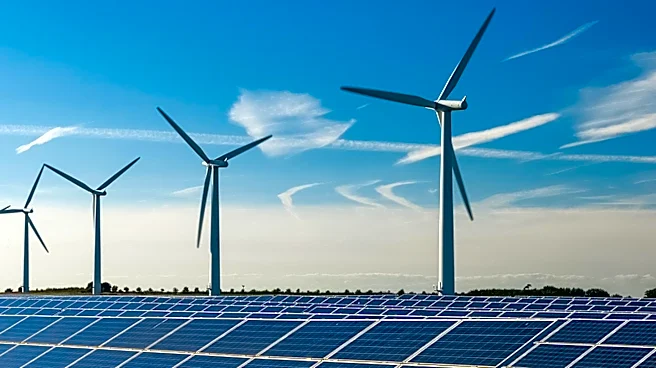
in Antalya, Türkiye, introduces a digitally enabled carbon crediting framework. The program aims to mobilize high-integrity carbon finance for energy access projects, accelerate investment, and expand access to clean electricity and cooking solutions across Eastern and Southern Africa. Developed and operated by GCC, the standard and its digital platform will support eligible projects under initiatives like the World Bank’s Accelerating Sustainable and Clean Energy Access Transformation (ASCENT) Program, which seeks to provide electricity to 100 million people and clean cooking solutions to 20 million across over 20 countries. The framework utilizes digital Monitoring, Reporting, and Verification (DMRV) to enhance accuracy, transparency, and reduce the time and costs associated with carbon credit generation, streamlining the process from years to potentially weeks or days.
Why It's Important?
This program represents a significant advancement in leveraging carbon finance to address critical energy access challenges in Africa. By integrating digital MRV, the GCC aims to overcome traditional barriers of lengthy monitoring and verification cycles, which have historically hindered smaller, geographically dispersed projects. This efficiency gain can make energy access projects more financially viable and attractive to investors, ultimately benefiting millions of people who lack access to reliable electricity and clean cooking solutions. The collaboration between GCC, the World Bank, and COMESA underscores a concerted effort to scale up climate action and sustainable development in the region. The program's focus on off-grid solar systems, mini-grids, grid extensions, and clean cooking projects directly contributes to reducing greenhouse gas emissions while simultaneously improving public health, economic opportunities, and quality of life for communities in Eastern and Southern Africa. It also sets a precedent for how digital technologies can enhance the integrity and accessibility of carbon markets.
What's Next?
The Energy Access Program Standard is expected to accelerate the transition from verified mitigation outcomes to credit issuance, subject to applicable program requirements and independent verification. This streamlined process, coupled with the aggregation of smaller projects, will improve their access to carbon markets and potential financing opportunities. The program's success will be crucial for achieving the ambitious goals of the ASCENT Program, which aims to significantly expand energy access across Eastern and Southern Africa. Future efforts will likely focus on the widespread adoption of the digital platform, training for project developers, and continued collaboration with regional stakeholders to ensure effective implementation. The program's ability to attract private investment will be a key indicator of its long-term impact. Additionally, the model developed by GCC could serve as a blueprint for similar initiatives in other regions facing energy access deficits, further expanding the reach and impact of carbon finance.
Beyond the Headlines
The launch of this program highlights the evolving role of carbon markets as a tool for sustainable development, moving beyond simple emissions offsetting to directly fund projects with significant social and economic co-benefits. The emphasis on digital MRV addresses a critical challenge in carbon markets: ensuring the credibility and transparency of emissions reductions. By reducing issuance timelines, the program aims to de-risk investments and make carbon finance more accessible to a broader range of projects, particularly those in underserved regions. However, the success of such a digitally-driven system also depends on robust data security, interoperability, and the capacity of local institutions to manage and utilize these technologies effectively. This initiative also touches upon the broader ethical considerations of climate finance, ensuring that the benefits of carbon credit generation are equitably distributed and contribute to genuine, long-term sustainable development in African communities, rather than solely serving the offsetting needs of developed economies.