
What's Happening?
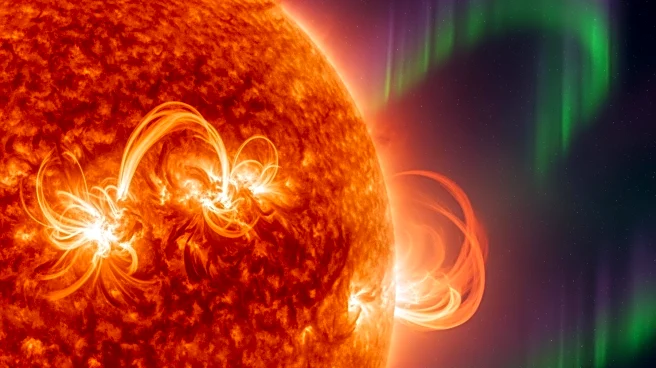
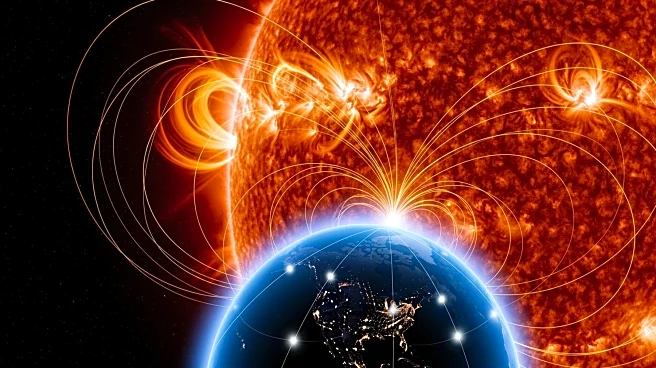
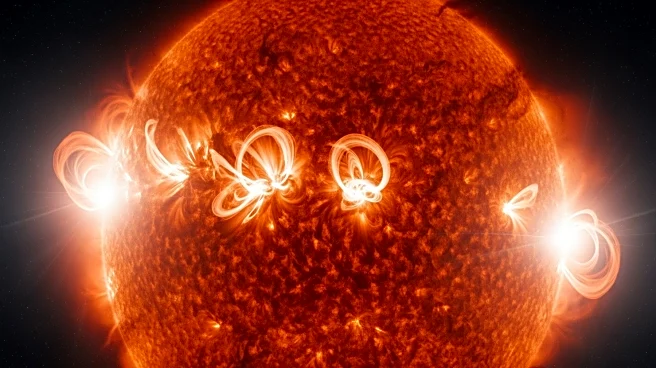
Earth recently experienced a significant solar radiation storm, classified as S4, marking the most intense event of its kind since 2003. This storm was triggered by a powerful magnetic eruption on the sun,
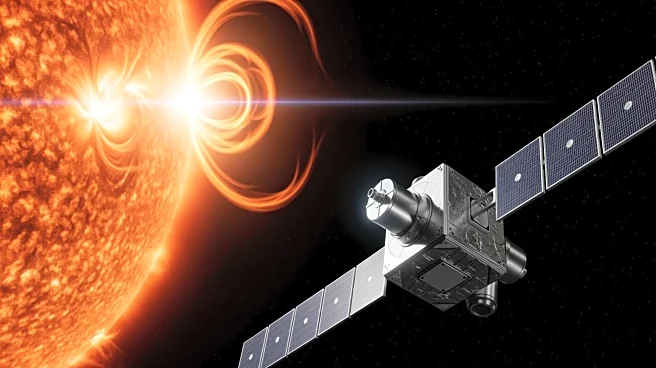
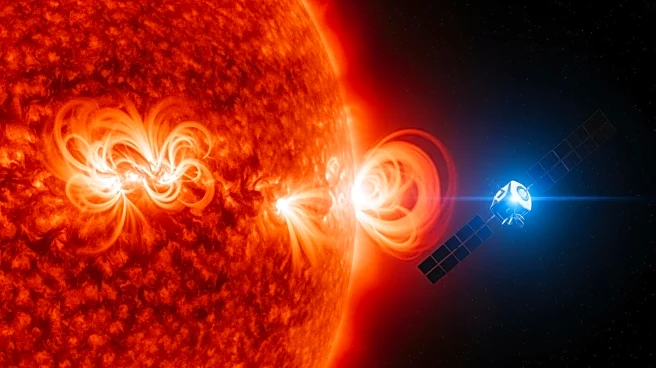
which accelerated charged particles, primarily protons, to high speeds. These particles traveled from the sun to Earth in a short time, penetrating the planet's magnetic defenses and reaching the polar regions. While the storm poses no threat to people on the ground due to Earth's protective atmosphere and magnetic field, it presents risks to astronauts and airline crews flying along polar routes. Satellites are also vulnerable, as the energetic particles can interfere with onboard electronics and disrupt sensors.
Why It's Important?
The solar radiation storm underscores the vulnerability of space-based technologies and the potential risks to human activities in space and aviation. For astronauts, increased exposure to radiation can pose significant health risks, necessitating enhanced protective measures. Airlines operating polar routes may face disruptions due to potential communication and navigation issues. Additionally, satellites, which are crucial for global communications, weather forecasting, and navigation, could experience temporary data dropouts or damage to their systems. This event highlights the need for robust space weather monitoring and preparedness to mitigate the impacts of such storms on critical infrastructure.
What's Next?
In response to the solar radiation storm, space agencies and airlines may need to review and update their protocols for handling similar events in the future. This could involve enhancing radiation shielding for spacecraft and developing contingency plans for flights over polar regions. Continuous monitoring of solar activity by organizations like NOAA's Space Weather Prediction Center will be essential to provide timely warnings and minimize disruptions. The event may also prompt further research into improving the resilience of satellites and other space-based technologies against solar radiation.
Beyond the Headlines
The occurrence of such a significant solar radiation storm raises questions about the long-term implications of increased solar activity on Earth's technological infrastructure. As reliance on satellite technology grows, understanding and mitigating the effects of space weather becomes increasingly important. This event may drive advancements in space weather forecasting and the development of more resilient technologies. Additionally, it highlights the interconnectedness of space and terrestrial systems, emphasizing the need for international collaboration in space weather research and response strategies.