







What's Happening?
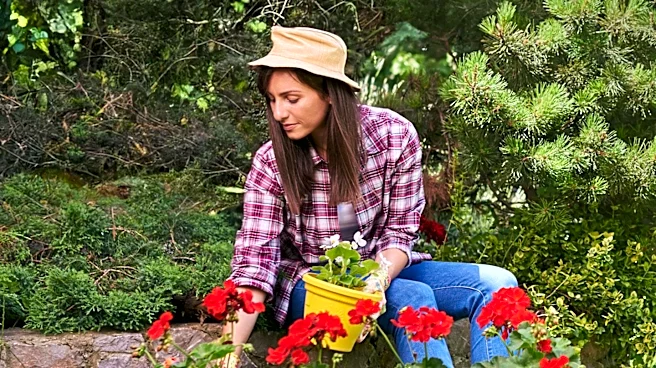
Growing seasons across the United States are lengthening, providing both benefits and challenges for gardeners. According to The Old Farmer's Almanac, the period between the last spring frost and the first fall frost has been expanding since 1895, with
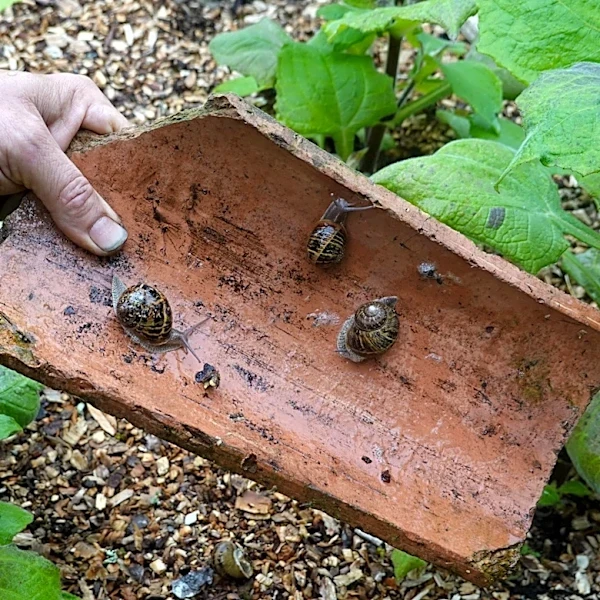
states like California and Washington experiencing significant increases in growing days. This trend allows for extended cultivation of vegetables and flowers but also prolongs the presence of garden pests. Climate change, driving these shifts, has led to rising temperatures and altered weather patterns, impacting gardening practices. The USDA notes that while longer seasons can boost productivity, they also require adaptations to manage pests and heat stress.
Why It's Important?
The extension of growing seasons due to climate change has broad implications for agriculture and gardening. Longer seasons can enhance food production and allow for the cultivation of new crops, potentially benefiting farmers and gardeners economically. However, the increased presence of pests and the need for more water and nutrients pose significant challenges. These changes necessitate adjustments in agricultural practices, pest management, and crop selection. The evolving climate conditions underscore the importance of sustainable practices and innovations in agriculture to adapt to new environmental realities.
Beyond the Headlines
The lengthening of growing seasons highlights the complex interplay between climate change and agriculture. While it offers opportunities for increased productivity, it also raises concerns about sustainability and resource management. The need for effective pest control and water conservation becomes more pressing as seasons extend. Additionally, the shift may influence regional agricultural economies, with some areas gaining advantages while others face new challenges. The situation calls for a reevaluation of agricultural policies and practices to ensure resilience in the face of climate change.