



What's Happening?
Kissimmee, Florida, is positioned as a crucial terrestrial and logistical center within the Orlando metropolitan area, primarily due to its strategic location at the intersection of major highways and its proximity to Walt Disney World. The city's geographic
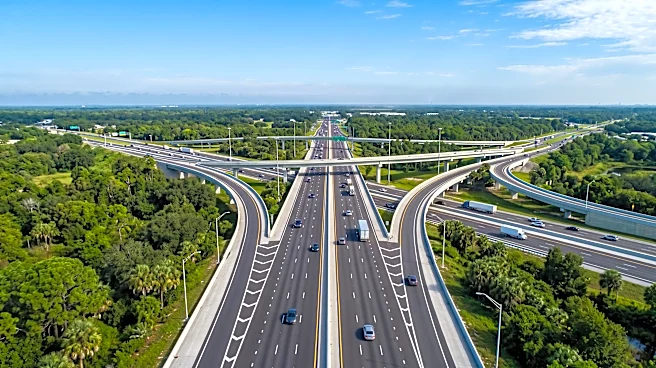
coordinates place it as the primary urban center for Osceola County, bridging the dense urban sprawl of Orlando with the developing inland Central Florida. This positioning is a direct result of historical transportation corridors and the economic gravity generated by the theme park industry. Key transportation arteries, including Interstate 4 (I-4), U.S. Route 192 (US 192), and Osceola Parkway (County Road 545), converge in or near Kissimmee, making it a vital gateway for millions of tourists and a distribution hub for goods and services. The city's evolution from a 19th-century wilderness outpost to a modern metropolis has been shaped by these infrastructural developments, transforming it into an indispensable component of the global tourism and commerce hub.
Why It's Important?
Kissimmee's strategic location is paramount to the functioning of Central Florida's massive tourism economy. Its role as a logistical hinge ensures the smooth flow of visitors, goods, and services to one of the world's most visited destinations. The convergence of major highways in Kissimmee facilitates access for millions of tourists, directly impacting the success of theme parks, hotels, and related businesses in the region. For U.S. industries, particularly hospitality, retail, and transportation, Kissimmee represents a critical market and operational base. The city's continuous growth and infrastructure development create significant investment opportunities and job creation. Understanding Kissimmee's geographic and infrastructural significance is essential for businesses looking to tap into the Central Florida market, as it dictates supply chain efficiency, accessibility for customers, and overall economic viability within the region. Any disruptions to Kissimmee's infrastructure or its ability to manage tourist influx could have widespread economic repercussions for the entire Central Florida tourism ecosystem.
What's Next?
Kissimmee's ongoing growth will likely necessitate continuous updates to its infrastructure and urban planning. The city's boundaries are expected to expand further, leading to the development of new residential subdivisions and commercial centers. City planners face the challenge of managing this rapid growth sustainably, balancing economic development with environmental considerations and maintaining the city's unique character. Future transportation projects and improvements to existing highways will be crucial to accommodate increasing traffic volumes from both residents and tourists. The synergy between Kissimmee's location and the theme park industry will continue to drive its economic trajectory, requiring ongoing collaboration between local government, businesses, and tourism stakeholders to ensure efficient operations and continued visitor satisfaction. The city's role as a logistical epicenter will likely be further solidified with continued investment in its transportation networks and service industries.
Beyond the Headlines
Kissimmee's transformation from a sleepy railroad town to a global tourism hub highlights the profound impact of infrastructure and strategic planning on urban development. The city's history, marked by environmental engineering of the Kissimmee River and the subsequent construction of major highways, illustrates the long-standing human endeavor to shape landscapes for economic gain. This rapid development also raises deeper questions about urban sprawl, its environmental consequences, and the challenges of maintaining community identity amidst relentless growth. The reliance on the theme park industry for economic gravity underscores the vulnerabilities of a single-industry economy, even one as robust as tourism. The ongoing efforts to manage growth sustainably in Kissimmee reflect a broader national conversation about balancing economic prosperity with environmental stewardship and quality of life in rapidly developing regions.