




What's Happening?
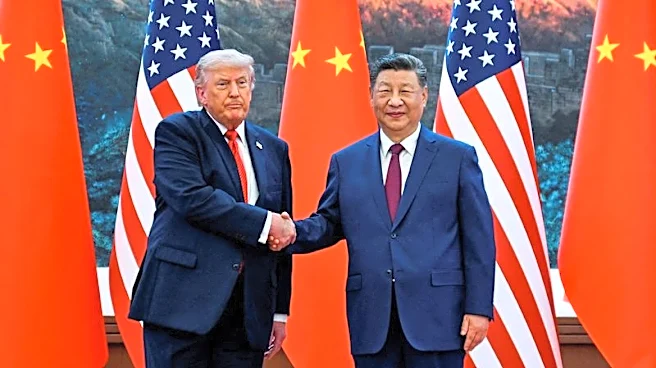
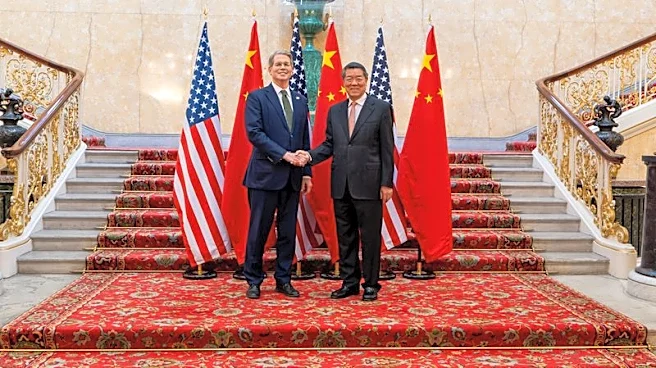
U.S. Senators Ted Budd (R-N.C.) and Tim Kaine (D-Va.) have led a bipartisan letter to President Trump, encouraging his administration to address the persecution of religious groups in China during an upcoming U.S.-China summit in Washington, D.C. The
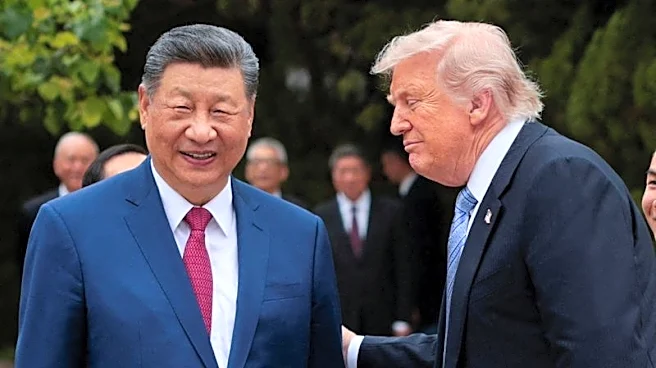
letter specifically highlights the plight of pastors and religious minorities who are unjustly detained for their faith, including Tibetan Buddhists, Christians, Uyghur Muslims, and Falun Gong practitioners. The senators are urging President Trump to raise specific cases, such as Pastor Gao Quanfu and his wife Pang Yu, Pastor Tang Bingyi of Light of Zion Church, and eight members of Zion Church, building on the successful release of Pastor Ezra Jin earlier in the year following discussions between President Trump and President Xi Jinping. The letter emphasizes the importance of promoting international religious freedom and calls for the unconditional release of all political prisoners detained for their religious beliefs.
Why It's Important?
This bipartisan effort underscores the U.S. commitment to human rights and religious freedom on the international stage, particularly in its complex relationship with China. By advocating for detained religious minorities, the senators are signaling that these issues remain a priority in diplomatic engagements, potentially influencing U.S. foreign policy and trade discussions with China. The focus on specific individuals and groups could exert pressure on the Chinese government to review its policies concerning religious freedom, which has broader implications for human rights advocacy globally. For the U.S., maintaining a strong stance on religious freedom can reinforce its moral authority and leadership in international affairs, while also reflecting the values held by a significant portion of the American populace. The involvement of senators from both major parties demonstrates a unified front on this issue, suggesting that support for religious freedom transcends partisan divides.
What's Next?
The immediate next step involves President Trump's engagement with Chinese officials during the U.S.-China summit in Washington, D.C. The senators' letter explicitly requests that President Trump raise the highlighted cases during these discussions. The outcome of these conversations will determine whether the U.S. administration's advocacy leads to any tangible changes in the status of the detained individuals or broader policy shifts by the Chinese government regarding religious freedom. Following the summit, senators and human rights organizations will likely monitor the situation closely for any developments. Continued bipartisan pressure from Congress could also lead to further legislative actions or diplomatic initiatives aimed at promoting religious freedom in China and other nations where such persecutions occur. The success of past interventions, such as the release of Pastor Ezra Jin, provides a precedent for potential positive outcomes.
Beyond the Headlines
The advocacy for religious freedom in China extends beyond immediate diplomatic outcomes, touching upon deeper geopolitical and ethical considerations. The persecution of religious minorities in China, including the systematic suppression of various faiths, represents a significant challenge to universal human rights principles. This issue highlights the tension between national sovereignty and international human rights norms, as China often views such interventions as interference in its internal affairs. The U.S. stance, driven by bipartisan congressional support, reflects a long-standing American tradition of championing religious liberty globally. This ongoing dialogue also influences public perception and international relations, potentially shaping economic and cultural exchanges between the two nations. The long-term implications could include a re-evaluation of international trade agreements and diplomatic partnerships based on human rights records, fostering a global environment where religious freedom is increasingly recognized as a fundamental right.