
What's Happening?
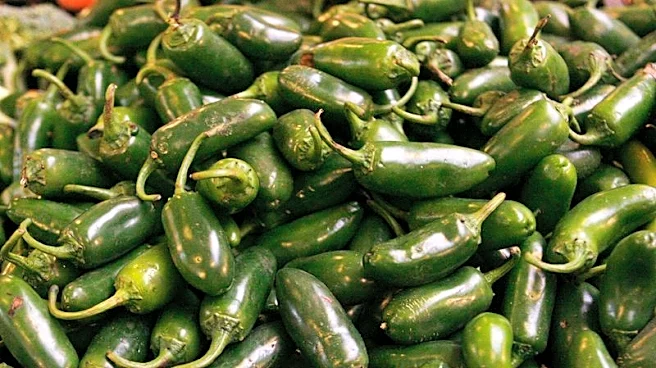
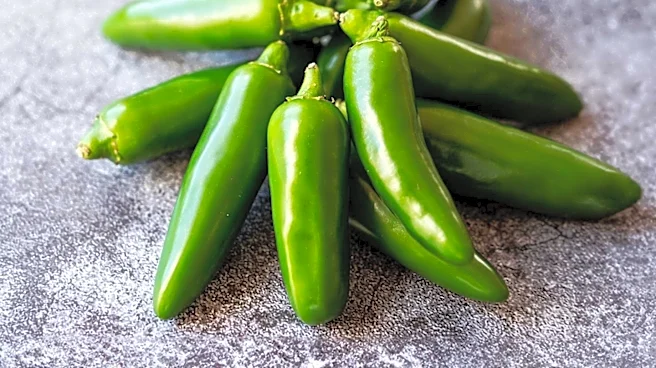
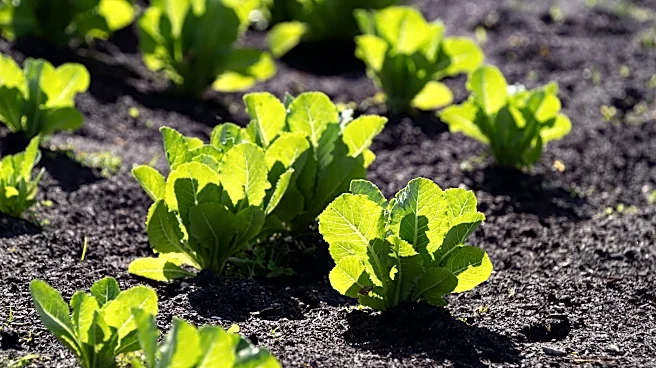
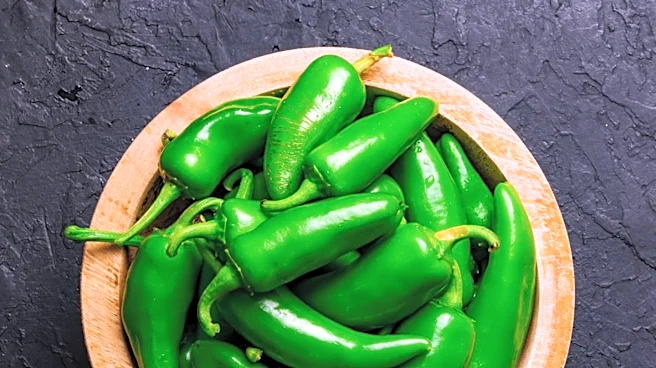

Recent outbreaks of foodborne illnesses linked to tainted lettuce and jalapeños have been traced back to Mexico, where a significant portion of vegetables imported to the United States are grown. Experts are suggesting that budget cuts by the Trump administration
may have contributed to these outbreaks. The Centers for Disease Control and Prevention (CDC) and the Food and Drug Administration (FDA) have been involved in tracing the source of the contamination. The suggestion that reduced funding for food safety inspections and regulatory oversight could be a factor in these outbreaks is raising concerns about the effectiveness of current food safety measures.
Why It's Important?
The potential link between budget cuts and foodborne illness outbreaks highlights the critical role of government funding in ensuring food safety. If budget reductions have indeed compromised the ability of agencies like the CDC and FDA to conduct thorough inspections and enforce regulations, it could lead to increased health risks for consumers. This situation underscores the importance of adequate funding for public health and safety programs. The economic impact could also be significant, affecting the agricultural sector and international trade relations, particularly with countries like Mexico that are major exporters of produce to the U.S.
What's Next?
In response to these concerns, there may be calls for increased funding and resources for food safety programs to prevent future outbreaks. Policymakers and public health officials might advocate for a review of current inspection protocols and regulatory frameworks to ensure they are robust enough to protect public health. Additionally, there could be diplomatic discussions with Mexico to address the source of contamination and improve cross-border food safety standards. The situation may also prompt legislative action to restore or increase funding for food safety agencies.