
What's Happening?
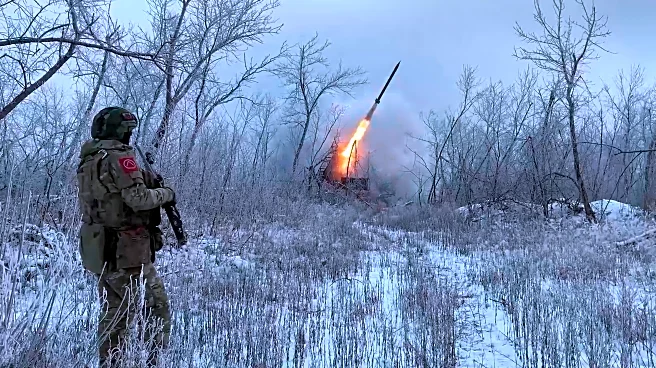
Russia is employing a variety of strategies to replenish its military forces in Ukraine, including offering cash bonuses, freeing prisoners, and recruiting foreigners. This approach aims to avoid a nationwide
mobilization, which could be unpopular domestically. The Russian government is providing high pay and benefits to enlistees, with regional authorities offering enlistment bonuses that can reach tens of thousands of dollars. Additionally, Russia is targeting foreigners by offering accelerated citizenship for those who enlist. Reports indicate that some foreigners are being lured under false pretenses, believing they are signing up for employment rather than military service. This recruitment strategy has been extended to prisoners and those in pretrial detention centers, a practice that began early in the war. Despite these efforts, the exact number of Russian troops in Ukraine remains unclear, with President Vladimir Putin citing figures that are difficult to verify independently.
Why It's Important?
The recruitment strategies employed by Russia highlight the challenges it faces in maintaining its military presence in Ukraine. By avoiding a broad mobilization, Russia seeks to minimize domestic unrest while still meeting its military needs. The use of financial incentives and the recruitment of foreigners and prisoners reflect the lengths to which Russia is willing to go to sustain its military efforts. This approach has significant implications for international relations, as it involves citizens from various countries, potentially straining diplomatic ties. Moreover, the reliance on such recruitment methods underscores the human cost of the conflict, with reports of foreigners being misled into military service. The economic burden of these recruitment efforts is also notable, as they become increasingly expensive for Russia amid a slowing economy.
What's Next?
As the conflict continues, Russia may need to further adapt its recruitment strategies to sustain its military operations. The international community is likely to monitor these developments closely, particularly the involvement of foreign nationals. Countries whose citizens have been recruited may seek diplomatic resolutions or repatriation of their nationals. Additionally, the economic impact of these recruitment efforts could prompt Russia to explore alternative strategies or face increased financial strain. The ongoing conflict and Russia's recruitment tactics may also influence global perceptions and diplomatic relations, potentially leading to further international scrutiny and response.
Beyond the Headlines
The recruitment of foreigners and prisoners raises ethical and legal questions about the exploitation of vulnerable populations. The practice of luring individuals under false pretenses into military service highlights issues of human trafficking and coercion. These actions could lead to long-term reputational damage for Russia and complicate its international relations. Furthermore, the involvement of foreign nationals in the conflict may have cultural and social implications, as these individuals return to their home countries with experiences that could influence their communities. The situation also underscores the broader geopolitical dynamics at play, as Russia seeks to maintain its influence and military presence in the region.