
What's Happening?
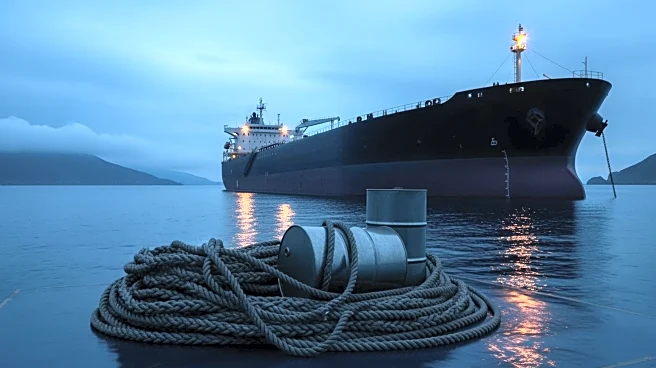
Iranian authorities have detained 18 crew members of a foreign tanker in the Gulf of Oman, accusing them of carrying 6 million liters of smuggled fuel. This incident, reported by Iranian media, highlights
Iran's ongoing battle against fuel smuggling, which is exacerbated by the country's heavily subsidized fuel prices and the devaluation of its national currency. The smuggling is reportedly conducted both by land to neighboring countries and by sea to Gulf Arab states. Iran's low fuel prices make it a target for smugglers seeking to profit from selling fuel at higher prices in other regions.
Why It's Important?
The seizure of the tanker underscores the geopolitical tensions in the Gulf region, particularly concerning energy resources. Iran's actions reflect its efforts to curb illegal fuel trade, which impacts its economy and regional relations. The incident could strain Iran's diplomatic ties with countries involved in the smuggling routes and affect global oil markets by introducing uncertainties about supply stability in the region. For the U.S., this development is significant as it may influence oil prices and energy security, given the strategic importance of the Gulf of Oman in global oil transportation.
What's Next?
The international community, including the U.S., may respond to this incident by increasing diplomatic pressure on Iran to ensure maritime security and prevent further disruptions in the region. There could be calls for enhanced monitoring and cooperation among Gulf states to address smuggling issues. Additionally, the detained crew's fate will likely be a point of negotiation, potentially involving their home countries and international maritime organizations.