


What's Happening?
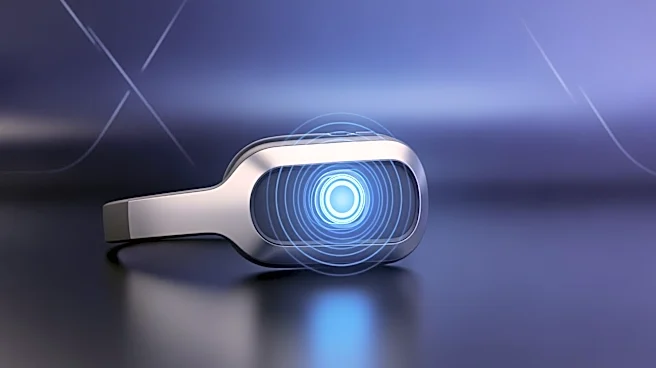
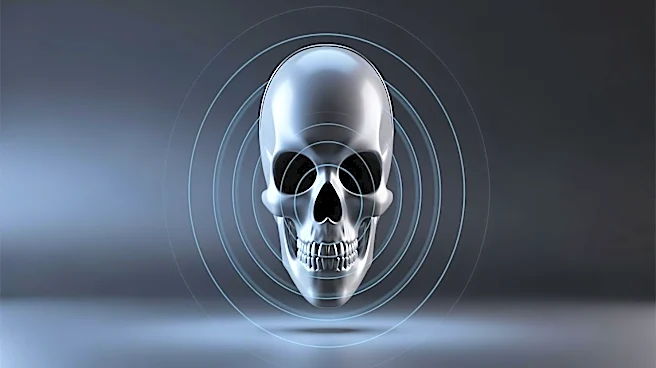
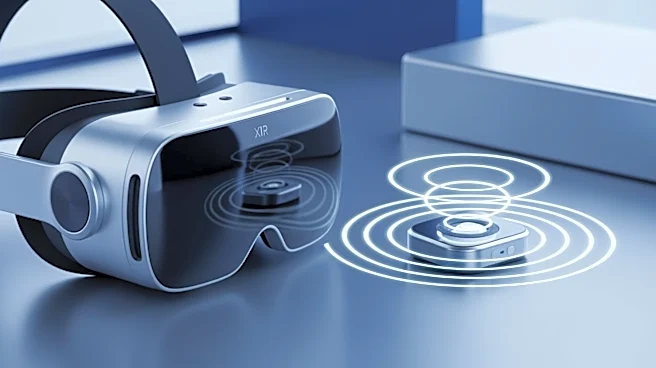
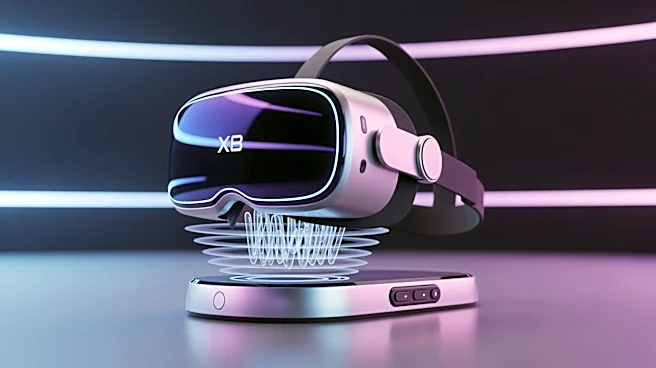
Researchers at Rutgers University have developed a new biometric security system called VitalID, which uses vibrations in the skull to authenticate users of extended reality (XR) devices. This system leverages unique vibration patterns generated by a person's
breathing and heartbeats, which resonate through the skull. These patterns are distinct due to individual differences in bone structure and facial tissues. The technology aims to provide a seamless and hardware-free authentication method for accessing sensitive data on XR platforms, such as financial and medical records. The study, involving 52 users over ten months, demonstrated high accuracy in user authentication, with over 95% true positive rates and 98% true negative rates.
Why It's Important?
The development of VitalID represents a significant advancement in biometric security, particularly for XR devices, which are increasingly used in sectors like finance, medicine, and education. As XR technology becomes more integrated into daily life, ensuring secure and effortless authentication is crucial. This system could potentially reduce the reliance on traditional passwords, which are often vulnerable to breaches. By providing a more secure and user-friendly authentication method, VitalID could enhance data protection and user experience in immersive environments, addressing growing concerns over privacy and security in digital interactions.