





What's Happening?
Italy is contemplating a temporary suspension of its Aster air defense missile shipments to Ukraine. This consideration stems from an urgent need to preserve Italy's national security stockpile levels, as reported by ANSA on November 11. Despite this
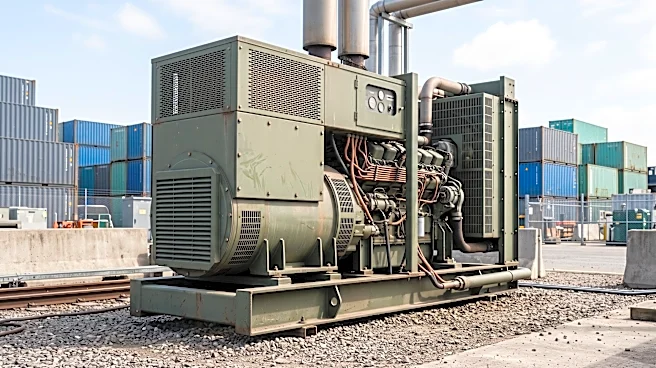
potential pause in missile deliveries, Italy's broader commitment to supporting Kyiv remains firm. The upcoming military assistance package from Rome is expected to prioritize power generators and specialized equipment. These resources are intended to aid in repairing Ukraine's energy infrastructure, which has sustained damage during Russia's full-scale invasion. The decision to potentially halt missile deliveries also reflects industrial constraints and production timelines, as defense manufacturers face challenges in rapidly replacing transferred stock. This move mirrors a similar decision made by Germany regarding Patriot system interceptors on November 7. The contents of Italy's defense package remain classified, with Italian Defense Minister Guido Crosetto declining to comment on specific components.
Why It's Important?
This potential pause in Italian missile deliveries highlights a growing concern among European nations regarding the depletion of their defense stockpiles due to ongoing support for Ukraine. The shift in focus from advanced weaponry to energy infrastructure aid underscores the evolving needs of Ukraine, particularly as winter approaches and Russian attacks target critical civilian infrastructure. For the U.S. and its allies, this development signals the long-term sustainability challenges of providing military aid and the need for increased defense production capacity across NATO members. It also emphasizes the strategic importance of maintaining domestic defense readiness while supporting international partners. The decision could influence other European countries to re-evaluate their own military aid commitments, potentially leading to a broader re-prioritization of defense spending and industrial output within the alliance. The emphasis on energy equipment also reflects the humanitarian aspect of the conflict, aiming to mitigate the impact of winter on Ukrainian civilians.
What's Next?
Italy's upcoming military assistance package will likely proceed with a focus on energy equipment and generators, even if missile deliveries are temporarily halted. Ukrainian officials are expected to continue advocating for high-demand air defense assets from international partners, given the shrinking long-term defense supplies across Europe. The situation may prompt further discussions within NATO and the European Union about coordinating defense aid and bolstering collective defense industrial capabilities. The U.S. will likely monitor these developments closely, as they could impact the overall effectiveness of Western support for Ukraine and potentially influence its own aid strategies. The ongoing need for air defense in Ukraine, coupled with European nations' concerns about their own reserves, suggests that finding sustainable solutions for military supply will be a critical challenge in the coming months.
Beyond the Headlines
The consideration of pausing missile deliveries by Italy, and Germany's similar decision, points to a deeper systemic issue within the Western defense industrial base: the capacity to sustain prolonged high-intensity conflicts. This situation could trigger a re-evaluation of defense procurement policies and industrial strategies across Europe and the U.S., moving towards greater self-sufficiency and surge production capabilities. Furthermore, the focus on energy infrastructure aid highlights the 'weaponization of winter' by Russia, forcing a strategic shift in humanitarian and military support to address immediate civilian needs. This also raises ethical questions about the balance between providing offensive and defensive military aid versus humanitarian assistance in protracted conflicts. The long-term implications could include a more integrated European defense industry and a redefinition of national security priorities to include resilience against infrastructure attacks.