



What's Happening?
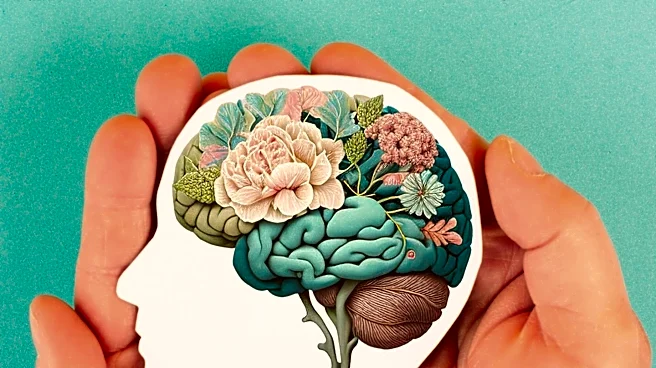
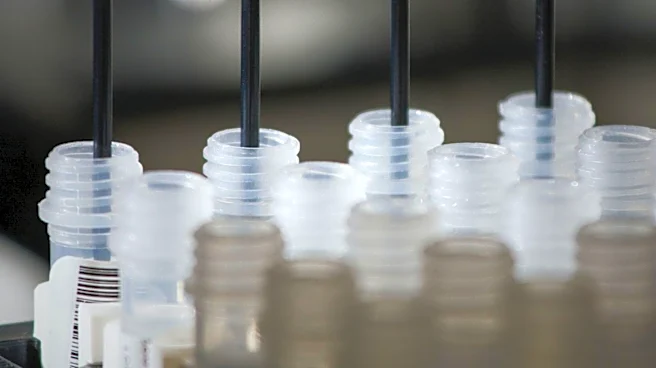
Researchers at The Florey Institute of Neuroscience and Mental Health are using laboratory-grown 'mini brains' to study and potentially repair damage caused by multiple sclerosis (MS). Led by Dr. Samantha Barton, the team is focusing on myelin, the protective
coating around nerve fibers, using 3D brain models created from human stem cells. This innovative approach aims to address the limitations of current MS treatments, which manage symptoms but do not repair existing damage.
Why It's Important?
This research represents a significant advancement in the treatment of MS, offering hope for more effective therapies that can repair nerve damage. The use of 'mini brains' allows scientists to explore myelin formation in unprecedented detail, potentially leading to breakthroughs in understanding and treating MS. This work aligns with the priorities of MS Australia, which emphasizes the importance of myelin repair in improving patient outcomes.
Beyond the Headlines
The development of 'mini brains' highlights the potential of stem cell research and laboratory models in advancing medical science. It underscores the importance of continued investment in innovative research to address complex diseases like MS. This approach may pave the way for similar techniques in studying other neurological conditions, expanding the possibilities for treatment and recovery.