

What's Happening?
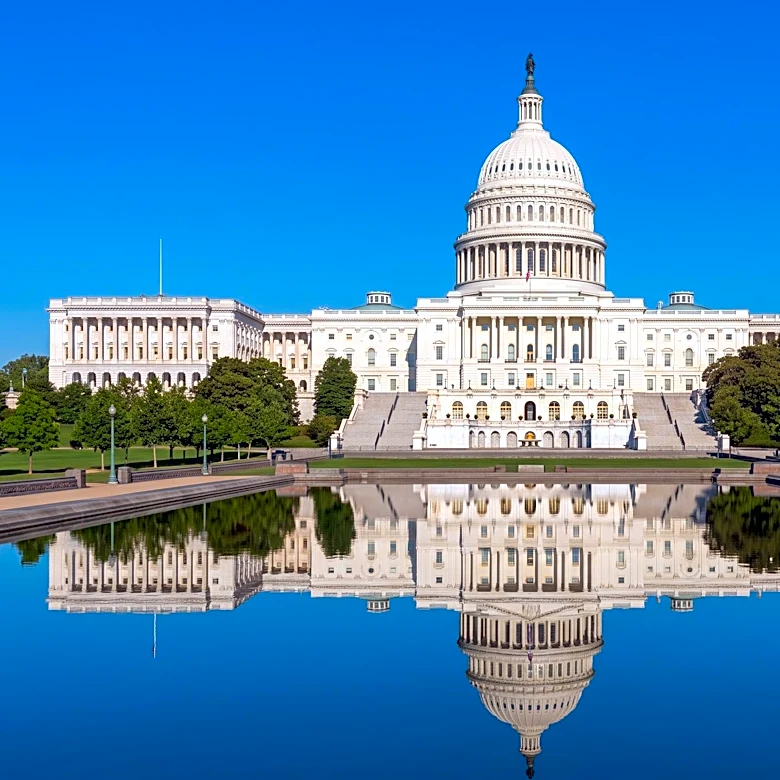
U.S. Representative Mike Kennedy met with advocates from the Utah Public Lands Alliance (UPLA) and BlueRibbon Coalition (BRC) in Washington, D.C., to discuss the Outdoor Americans with Disabilities Act (OADA). The advocates, including nine individuals
with disabilities, shared personal stories highlighting how limited mobility and closed roads on public lands prevent them from accessing and enjoying these areas. Representative Kennedy, who is also a physician, demonstrated an understanding of the challenges faced by disabled and aging populations. The meetings aimed to provide lawmakers with a clearer picture of the human impact of decisions regarding public land access, particularly for those who rely on motorized vehicles.
Why It's Important?
The Outdoor Americans with Disabilities Act is crucial for ensuring equitable access to public lands for all U.S. citizens, particularly those with disabilities and aging populations. The current limitations on motorized vehicle access can effectively exclude millions of Americans from enjoying national parks, forests, and other public spaces. This legislation seeks to rectify this by ensuring that public land management policies consider the needs of individuals with limited mobility. For society, it promotes inclusivity and equal opportunity, allowing more people to experience the physical and mental health benefits of outdoor recreation. Economically, increased accessibility could boost tourism and related services in areas surrounding public lands, benefiting local businesses and communities. The involvement of lawmakers like Representative Kennedy is vital for advancing this bill through Congress.
What's Next?
Senator Mike Lee, chair of the Senate Committee on Energy and Natural Resources and the lead sponsor of the Senate bill, has committed to bringing the OADA to committee markup. This is a critical step where committee members will debate, amend, and vote on whether to advance the bill. Advocates are also seeking broader support from organizations like AARP and the American Association of People with Disabilities (AAPD). The next steps involve continued lobbying efforts to secure bipartisan support and co-sponsorships in both the House and Senate. Individuals are encouraged to contact their U.S. Representatives and Senators to express support for the OADA and share personal stories about the importance of accessible public lands.
Beyond the Headlines
The Outdoor Americans with Disabilities Act touches upon deeper ethical and cultural dimensions concerning the right to access and enjoy public resources. It challenges the notion that outdoor recreation is exclusively for those with full physical mobility, advocating for a more inclusive vision of public land use. The bill highlights the importance of considering diverse needs in policy-making, moving beyond a one-size-fits-all approach. Long-term, successful passage and implementation of OADA could set a precedent for accessibility standards across various public services and spaces, fostering a more inclusive society. It also underscores the evolving understanding of disability, recognizing that environmental barriers, rather than individual limitations, often create exclusion. This legislation could lead to a cultural shift in how public lands are managed, prioritizing universal access and enjoyment.