




What's Happening?
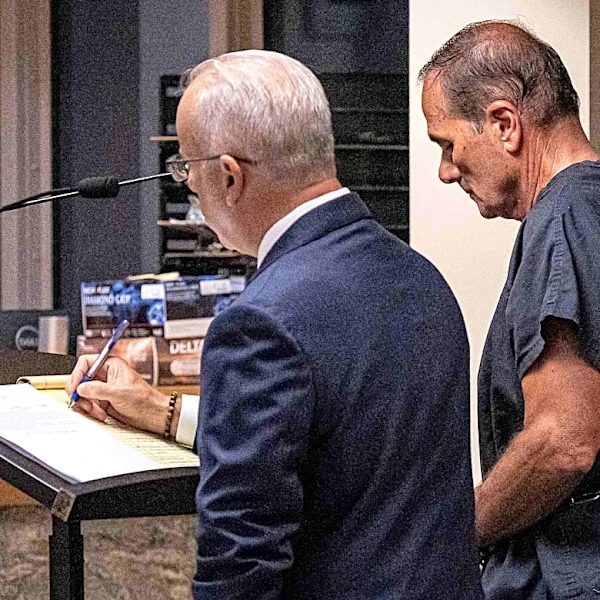
State Representative Francisco Paulino of Methuen, a second-term Democrat, has been indicted on 11 federal charges related to alleged pandemic relief fraud. Paulino pleaded not guilty to all charges during his arraignment in federal court on August 26.
He was arrested earlier that day outside an apartment complex in Lawrence. Prosecutors allege that Paulino fraudulently obtained over $700,000 in pandemic-related relief funds between approximately April 2020 and December 2021. The indictment includes eight counts of wire fraud and three counts of unlawful monetary transactions. Paulino is accused of using these funds for personal expenses, real estate costs, loan payments, and political campaign contributions. Specific allegations include filing a pandemic unemployment benefits claim for a 77-year-old relative without their knowledge, routing funds to his personal bank account, and submitting fabricated documents to the state Department of Unemployment Assistance. He also allegedly obtained economic injury disaster loans for two of his businesses and in the name of a client, and used his doughnut shop, Heav’nly Donuts, to secure around $136,000 in fraudulent small business loans. U.S. Attorney Leah B. Foley stated that Paulino, along with Lawrence Mayor Brian DePeña (who faces similar charges), treated the COVID-19 pandemic as 'personal cash cows.'
Why It's Important?
The indictment of State Representative Francisco Paulino on federal pandemic relief fraud charges is a significant development that underscores the ongoing efforts to combat fraud related to COVID-19 relief programs. This case, alongside the indictment of Lawrence Mayor Brian DePeña, highlights a concerning pattern of alleged abuse of public funds by elected officials. Such accusations erode public trust in government and the integrity of relief initiatives designed to support individuals and businesses during a national crisis. For the U.S. political landscape, these indictments signal a strong stance by federal prosecutors against corruption, particularly when it involves public servants. The alleged misuse of funds for personal gain and political campaigns raises serious questions about accountability and ethical conduct in public office. The outcome of these cases could influence future legislation regarding oversight of emergency relief programs and potentially lead to stricter penalties for public officials found guilty of similar offenses. It also serves as a stark reminder that federal investigations into pandemic-related fraud are active and ongoing, with a focus on holding all individuals, including those in positions of power, accountable.
What's Next?
State Representative Francisco Paulino will proceed through the federal legal system, with his not-guilty plea setting the stage for a trial or further legal proceedings. The investigation into Paulino's alleged fraudulent activities, as well as those of Lawrence Mayor Brian DePeña, is active and ongoing, according to federal officials. House Speaker Ron Mariano has stated that the House is aware of the situation and finds the charges concerning, indicating that appropriate action will be taken upon the conclusion of the legal proceedings to ensure accountability. This suggests that Paulino's political future is uncertain and could be impacted by the legal outcome. The federal government's continued focus on rooting out pandemic relief fraud means that more indictments or charges against other individuals, potentially including public officials, could emerge. This case will likely serve as a precedent for how similar allegations of misuse of emergency funds are handled, potentially leading to enhanced scrutiny of financial disclosures and oversight mechanisms for elected officials and government programs.
Beyond the Headlines
The indictment of State Representative Paulino on pandemic relief fraud charges extends beyond a typical criminal case, touching upon the ethical fabric of public service and the vulnerabilities inherent in large-scale emergency aid distribution. The alleged use of relief funds for personal enrichment and political campaigns not only constitutes a breach of law but also a profound betrayal of the public trust, particularly during a period of widespread economic hardship. This incident could exacerbate public cynicism towards government and elected officials, fostering a perception that some in power exploit crises for personal gain. Furthermore, it highlights the challenges of designing and implementing rapid-response aid programs that are both accessible and secure from fraud. The case may prompt a re-evaluation of the balance between quick disbursement of aid during emergencies and the need for robust anti-fraud measures. Ethically, it underscores the heightened responsibility of public servants to uphold integrity, especially when entrusted with taxpayer money intended for the common good. The long-term societal impact could be a demand for greater transparency and accountability from all levels of government, potentially leading to reforms in campaign finance and oversight of public officials' financial dealings.