
What's Happening?
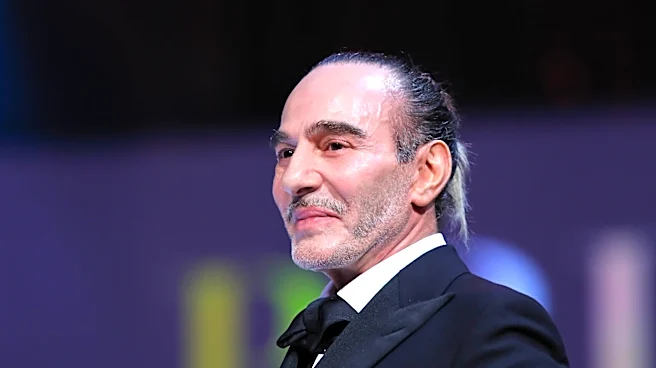
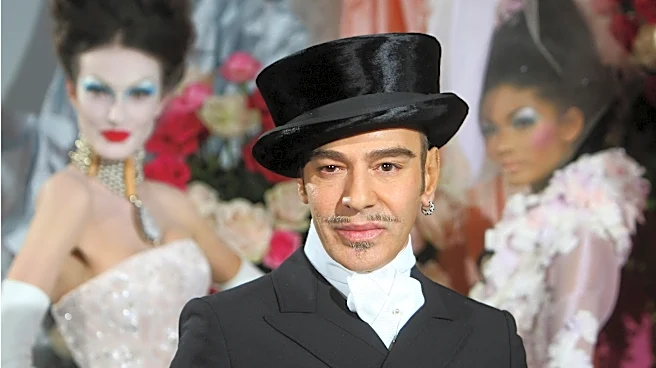
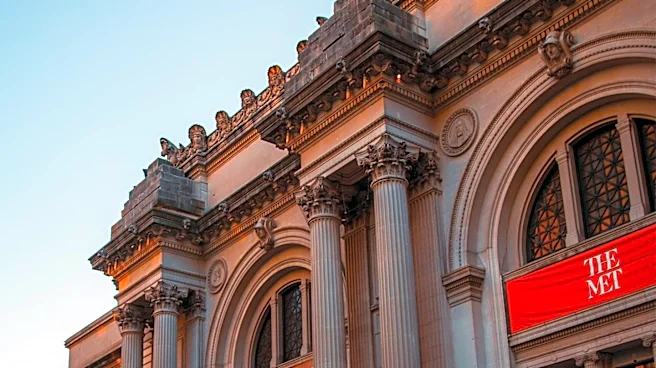
The Metropolitan Museum of Art is dealing with significant repercussions following the cancellation of a planned retrospective exhibition for fashion designer John Galliano. Galliano, who was fired from
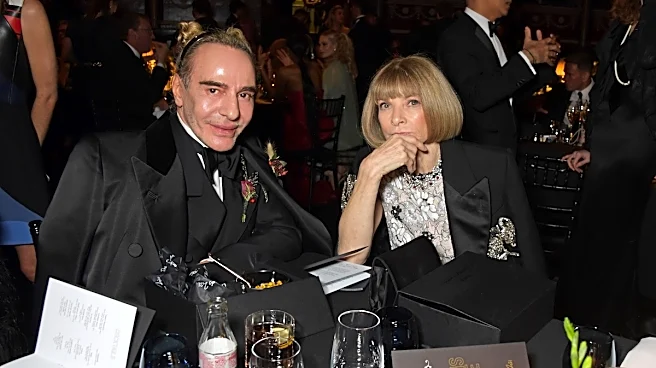
Christian Dior in 2011 for antisemitic and anti-Asian remarks, withdrew from the exhibition, titled 'John Galliano: Reflections,' after facing widespread backlash. The museum had reportedly consulted with Jewish community leaders, including representatives from the Anti-Defamation League, prior to greenlighting the show, but the controversy intensified, particularly as the Met Gala's scheduled date coincided with Yom HaShoah, or Holocaust Remembrance Day. Critics, including New York City Council Speaker Julie Menin, voiced strong opposition, and social media was abuzz with criticism directed at Galliano, The Met, Met Gala co-chair Anna Wintour, and Costume Institute curator Andrew Bolton. Despite Galliano's apology for the hurt he caused, the furor led to his decision to pull out, citing a desire not to place The Met in a difficult position or distract from the Costume Institute's work.
Why It's Important?
This incident highlights the complex and often contentious intersection of art, commerce, and social responsibility within major cultural institutions. The backlash and subsequent cancellation underscore the increasing scrutiny public figures and institutions face regarding past controversies, especially concerning issues like antisemitism. For The Met, a prominent U.S. cultural institution, the event has created a rift with members of the Jewish community and significant donors, threatening potential financial support. The situation also puts pressure on the museum to demonstrate its commitment to ethical considerations and public sentiment, particularly in a climate of rising antisemitic incidents. The involvement of high-profile figures like Anna Wintour, who continued to support Galliano, further complicates the narrative, raising questions about accountability and the influence of powerful individuals in the art world. The need to quickly organize a new exhibition within a compressed timeframe also presents a significant logistical and financial challenge for the Costume Institute, which is responsible for its own fundraising.
What's Next?
The Metropolitan Museum of Art now faces the immediate challenge of damage control and bridging the divide with the Jewish community and its donors. Museum officials are reportedly mapping out their next steps and engaging in discussions with leading donors. The Costume Institute, which typically has a year to prepare for an exhibition, must now assemble a new show within an eight-month timeframe. There is speculation that the museum might consider moving up a previously planned 2028 exhibition. Additionally, The Met needs to secure a sponsor for the new show, as the sponsor for the canceled Galliano retrospective was not confirmed or transferable. Suggestions have been made, such as by Tamar Major of the Yad Vashem USA Foundation, for The Met to use its platform to educate the public about antisemitism through a major exhibition. The long-term impact on The Met's reputation and its relationship with various stakeholders will depend on how effectively it navigates these challenges.
Beyond the Headlines
The controversy surrounding John Galliano's exhibition at The Met delves into deeper questions about forgiveness, redemption, and the role of cultural institutions in addressing past transgressions. The debate over whether and when an individual, particularly one with immense artistic talent, should be 'forgiven' for past hateful remarks is central to this discussion. The incident also exposes the power dynamics within major cultural institutions, with a donor suggesting a 'war between art and commerce' where the influence of Jewish philanthropists on The Met's board ultimately prevailed. This highlights the significant financial leverage donors hold and their ability to shape institutional decisions. Furthermore, the timing of the proposed exhibition coinciding with Yom HaShoah underscores a broader societal sensitivity to historical memory and the need for cultural institutions to be acutely aware of such contexts. The situation also raises ethical considerations regarding the responsibility of public figures like Anna Wintour in supporting individuals with controversial pasts, and the potential for such support to be perceived as out of touch or dismissive of public concerns.