

What's Happening?
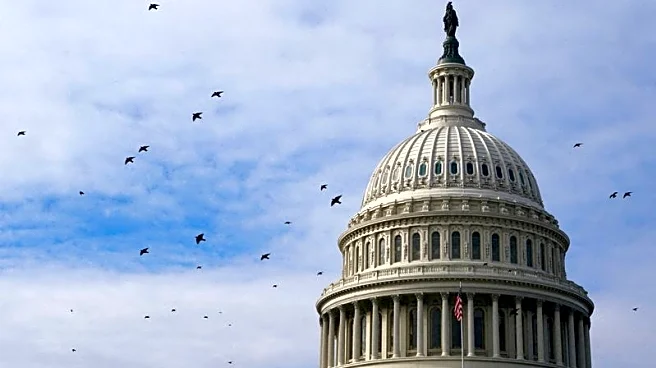
The U.S. Senate has passed a government funding bill supported by President Trump, which aims to prevent a partial government shutdown. The bill, which funds most of the government through September, includes a temporary extension for Homeland Security
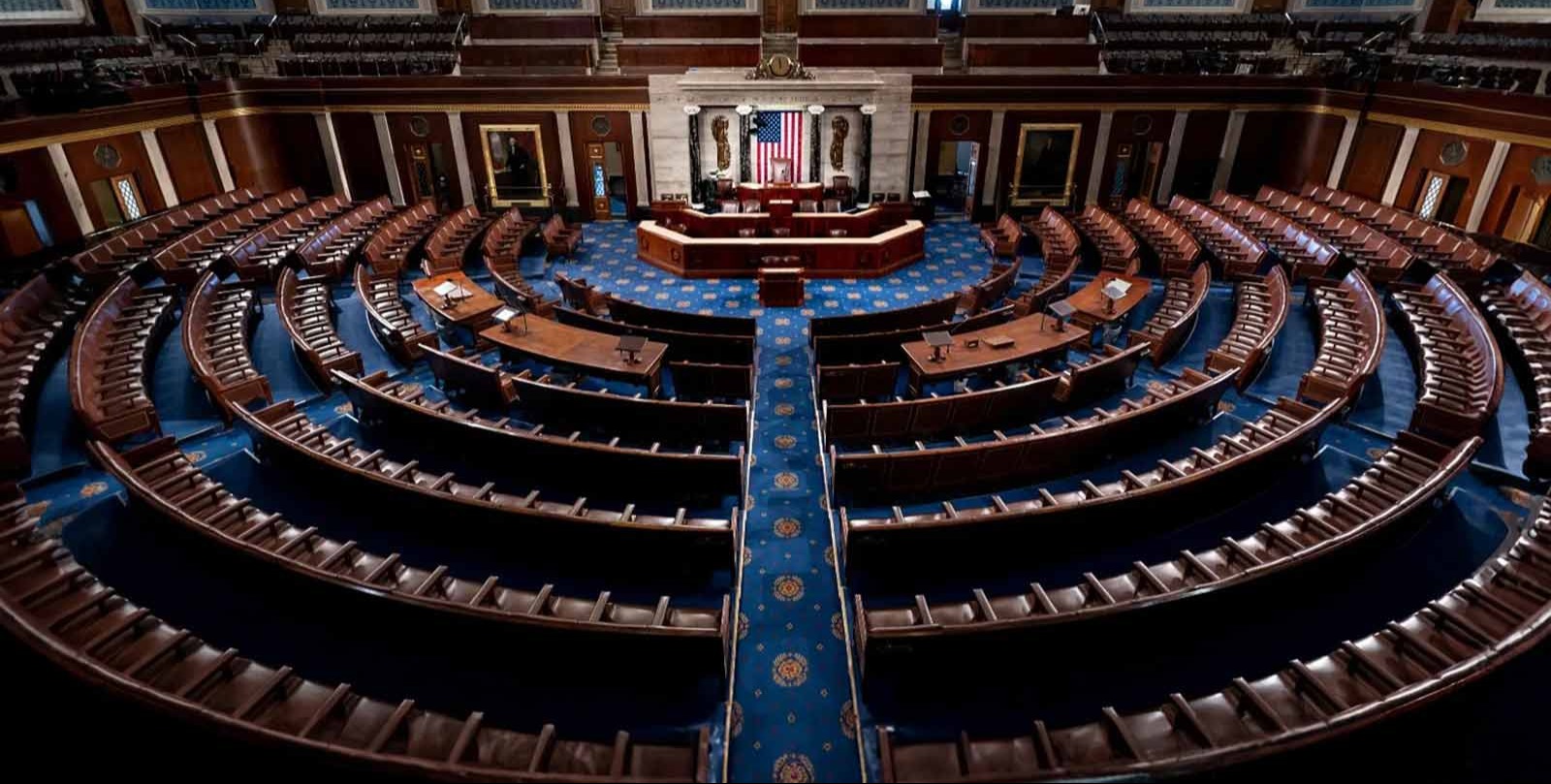
funding. This extension allows Congress two weeks to debate new restrictions on federal immigration raids. The deal was struck between President Trump and Senate Democrats following the deaths of two protesters in Minneapolis, which involved federal agents. The Senate passed the bill with a 71-29 vote, and it now moves to the House, which is expected to vote on it after the weekend. The bill's passage is crucial to avoid a government shutdown, although temporary disruptions may occur until the House votes.
Why It's Important?
This funding deal is significant as it highlights the ongoing tensions and negotiations between the Trump administration and Congress over immigration policies and federal law enforcement practices. The deaths of protesters have intensified calls for reform, with Democrats demanding changes to how immigration arrests are conducted. The deal also underscores the political dynamics at play, with President Trump negotiating with Senate Democrats, a move that has drawn criticism from some Republicans. The outcome of these negotiations could impact federal immigration policies and law enforcement accountability, affecting communities across the U.S. and potentially altering the political landscape ahead of future elections.
What's Next?
The House is expected to vote on the funding bill after the weekend, which could temporarily result in a partial government shutdown. The two-week extension for Homeland Security funding sets the stage for further negotiations on immigration policy reforms. Key issues include the potential for new restrictions on federal immigration raids and the accountability of federal agents. The outcome of these discussions will be closely watched by political leaders, law enforcement agencies, and civil rights groups, as they could lead to significant changes in federal immigration enforcement practices.