






What's Happening?
The U.S. Army is undertaking a significant digital transformation of its Organic Industrial Base (OIB), which includes 23 depots, arsenals, and ammunition plants. This transformation is part of a 15-year, over $18 billion Modernization Implementation
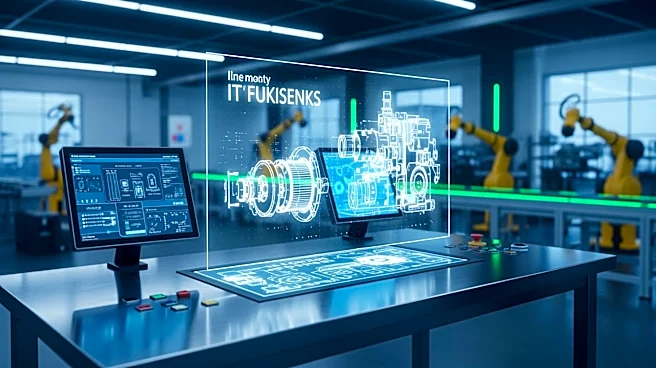
Plan led by the Army Materiel Command. The initiative aims to upgrade the infrastructure of these facilities, many of which date back to World War II, to meet the demands of modern large-scale combat operations. The U.S. Army Information Systems Engineering Command (USAISEC) is playing a crucial role by providing infrastructure design recommendations for the industrial control network, which is essential for transitioning these facilities into Industry 4.0 environments. The transformation focuses on five key areas: facilities and infrastructure, tooling and processes, workforce, network and cybersecurity, and energy and environment.
Why It's Important?
This transformation is critical for ensuring that the U.S. Army remains capable of meeting current and future operational demands. By modernizing its industrial base, the Army aims to increase production capacity and enhance the readiness and operational capability of its forces. The integration of advanced manufacturing technologies, such as 3D printing and robotic welding, along with secure, high-speed connectivity, will enable more efficient and effective equipment manufacturing and maintenance. This initiative not only supports the Army's strategic vision but also ensures that the military remains technologically advanced and prepared for any battlefield scenario. The transformation will also empower the workforce by fostering human-machine partnerships, thereby enhancing productivity and innovation.
What's Next?
As the transformation progresses, the Army will continue to implement and refine its modernization strategies across its facilities. The focus will remain on ensuring secure and resilient networks to support automated systems and data analytics. The ongoing collaboration between the Army Materiel Command and technical experts like USAISEC will be crucial in achieving the desired outcomes. The Army's commitment to this transformation underscores its dedication to maintaining a lethal and technologically superior force by 2030. Stakeholders, including military personnel and defense contractors, will likely monitor the progress closely to assess the impact on operational capabilities and readiness.
Beyond the Headlines
The digital transformation of the Army's industrial base has broader implications for the defense sector and national security. By adopting Industry 4.0 technologies, the Army is setting a precedent for other military branches and defense organizations to follow. This shift towards digital connectivity and automation could lead to long-term changes in how military operations are conducted and supported. Additionally, the focus on cybersecurity highlights the growing importance of protecting critical infrastructure from cyber threats, which is increasingly relevant in today's digital age. The transformation also reflects a broader trend towards sustainability and energy resilience, aligning with global efforts to address environmental challenges.