






What's Happening?
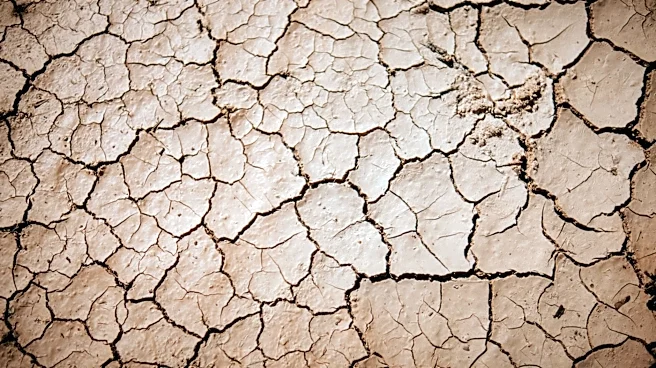
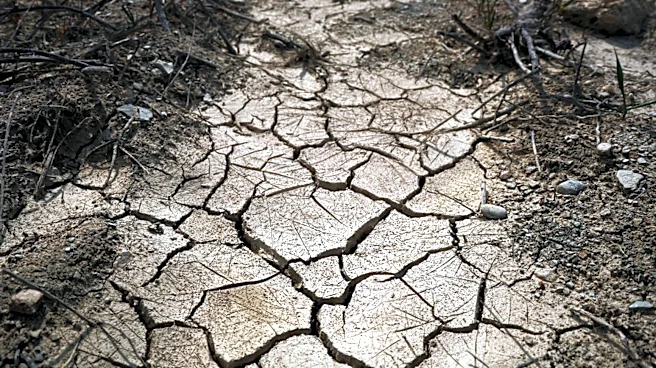
Uganda has commenced an emergency food relief operation in response to a severe hunger crisis in the Karamoja region, where at least 19 people have died due to hunger. The crisis has been exacerbated by prolonged drought and crop failures, leaving 1.5
million people facing acute food shortages and malnutrition. The Famine Early Warning Systems Network has classified the situation as a crisis. The Ugandan government plans to distribute 9,400 tonnes of relief food over the next two months, funded by a 45 billion shilling emergency allocation. This initiative follows significant aid cuts, including from USAID, which has impacted the World Food Programme's ability to provide food assistance. The government aims to implement long-term solutions, including the provision of drought-resistant seeds and the development of water infrastructure.
Why It's Important?
The emergency food distribution in Karamoja highlights the severe impact of climate change and environmental degradation on food security in vulnerable regions. The crisis underscores the need for sustainable agricultural practices and infrastructure development to mitigate the effects of drought and ensure food self-sufficiency. The reduction in international aid has shifted the responsibility to the Ugandan government, emphasizing the importance of national ownership in addressing food insecurity. The situation in Karamoja serves as a critical reminder of the broader challenges faced by many African nations in adapting to climate change and ensuring food security for their populations.
What's Next?
The Ugandan government is expected to continue its efforts to provide immediate relief while also focusing on long-term strategies to prevent future crises. This includes the implementation of the Karamoja regional development plan, which aims to enhance community resilience to drought. The government plans to distribute drought-resistant seeds and invest in water infrastructure to support agricultural productivity. The success of these initiatives will depend on sustained political will and strategic investment in climate resilience and food security measures.
Beyond the Headlines
The Karamoja hunger crisis highlights the intersection of climate change, governance, and food security. It raises ethical questions about the responsibility of governments and international organizations in addressing preventable hunger. The crisis also points to the need for systemic changes in governance to ensure that food security is treated as a fundamental human right. The Ugandan government's leadership in this emergency response is a positive step, but it must be accompanied by long-term commitments to address the root causes of food insecurity.