



What's Happening?
The Food and Drug Administration (FDA) has assigned its highest risk classification, Class I, to a recall of popular Whole Foods dips. This classification indicates a reasonable probability that consuming these products could lead to serious adverse health
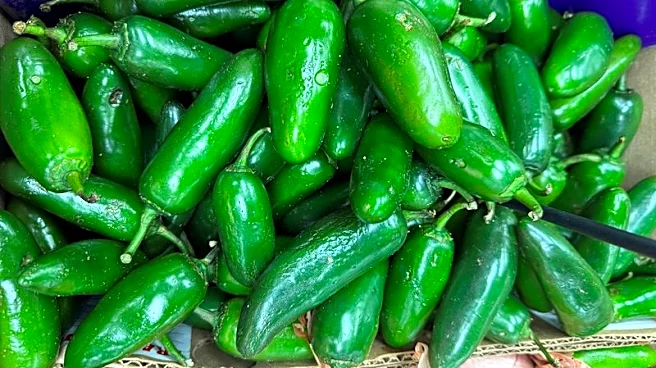
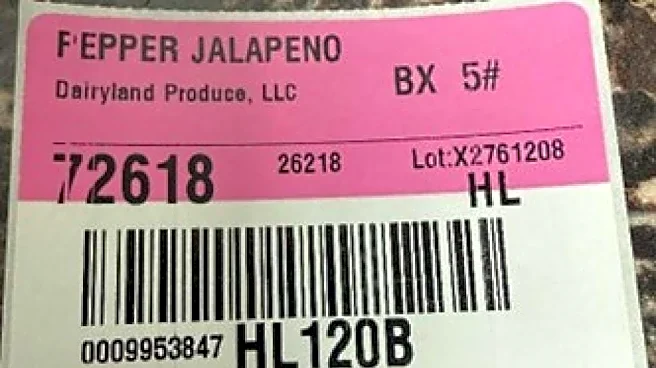
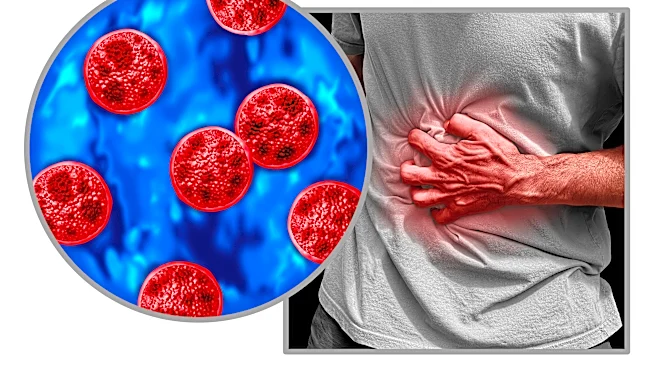
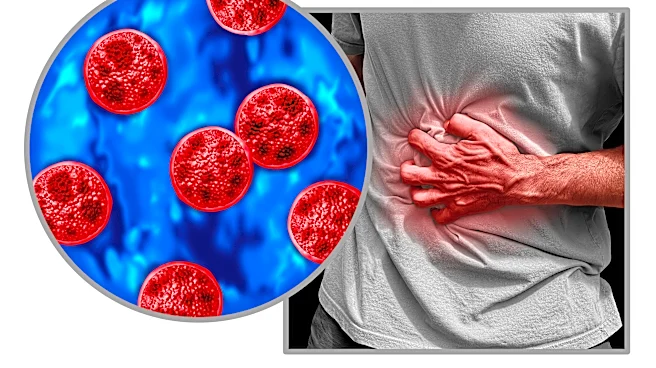
consequences or death. The recall involves products containing jalapeños, such as guacamole and pico de gallo, which were sourced from Coast Citrus Distributors, a wholesale fresh produce supplier operating in the U.S. and Mexico. These jalapeños are suspected of being contaminated with salmonella bacteria. The initial recall was issued by Whole Foods earlier this month, and federal investigators have identified a grower in Sinaloa, Mexico, as a potential source of the contamination. The Class I recall applies to nearly 13,000 units of various Whole Foods dip products, including different types of guacamole and pico de gallo, with best-before/by dates between August 7 and 14. Whole Foods has removed all recalled products from its shelves and advises customers to discard them and seek a refund.
Why It's Important?
This FDA Class I recall highlights significant public health concerns related to food safety in the U.S. Salmonella is a leading cause of foodborne illnesses, typically causing diarrhea, fever, and stomach cramps. While most healthy individuals recover within a week, the infection can be particularly dangerous for vulnerable populations, including young children, the elderly, and those with weakened immune systems, potentially requiring hospitalization. The widespread nature of this recall, affecting multiple states and involving a major retailer like Whole Foods, underscores the complexities of the food supply chain and the potential for contamination to spread rapidly. The incident also brings attention to the role of federal agencies like the FDA and CDC in identifying and mitigating foodborne outbreaks, as well as the responsibility of food suppliers and retailers in ensuring product safety. The economic impact extends to affected businesses, including Coast Citrus Distributors and Whole Foods, due to product losses, recall costs, and potential damage to consumer trust.
What's Next?
The FDA and CDC will continue their investigation into the source and extent of the salmonella contamination. Consumers who have purchased the recalled Whole Foods dips are advised to dispose of them immediately and contact Whole Foods for a refund. Health authorities will monitor for new cases of salmonella linked to this outbreak and provide updates as more information becomes available. The incident may prompt increased scrutiny of food safety practices among produce suppliers, particularly those importing from international sources. Retailers may also review their sourcing and quality control protocols to prevent similar occurrences in the future. The long-term implications could include stricter regulations or enhanced inspection processes for imported produce to safeguard public health.
Beyond the Headlines
This recall underscores the intricate global nature of the food supply chain and the challenges in ensuring food safety from farm to table. The identification of a grower in Mexico as a potential source highlights the need for robust international collaboration and regulatory oversight in food production and distribution. Beyond the immediate health risks, such incidents can erode consumer confidence in food products and brands, leading to shifts in purchasing habits. The reliance on imported produce, while offering variety and affordability, also introduces vulnerabilities that require constant vigilance. This event serves as a reminder of the critical role of public health agencies in protecting consumers and the continuous need for improvements in food safety standards and enforcement across borders.