





What's Happening?
Israeli Prime Minister Benjamin Netanyahu has stated that no agreement exists with Hezbollah regarding a ceasefire, as the militant group has opposed the current proposal. During a Security Cabinet meeting, Netanyahu emphasized that he would not seek
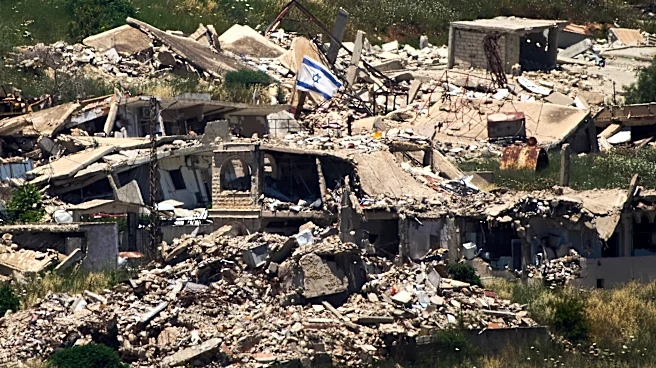
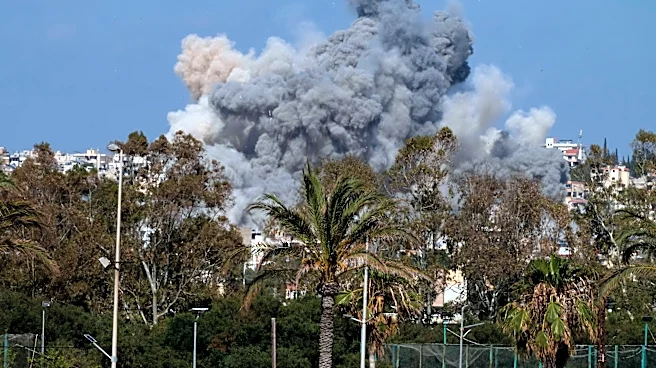
approval for the ceasefire unless Hezbollah agrees to its terms. National Security Minister Itamar Ben-Gvir and other ministers have called for intensified military actions against Hezbollah, arguing that the current situation requires a stronger response. The Israeli Defense Forces (IDF) have been instructed to clear Hezbollah infrastructure south of the Litani River, with the aim of maintaining a security buffer and preventing Hezbollah's rearmament.
Why It's Important?
The lack of a ceasefire agreement and calls for increased military action underscore the ongoing tensions and potential for further conflict in the region. The situation poses a challenge for Israeli domestic politics, as government officials debate the appropriate level of military engagement. It also impacts U.S.-Israel relations, as the U.S. seeks to mediate a resolution while balancing its own foreign policy interests in the region. The conflict has broader implications for regional stability and security, with potential repercussions for global economic conditions and energy markets.
What's Next?
The Israeli government may continue to pursue military operations in southern Lebanon, with the potential for further escalation if a ceasefire is not reached. Diplomatic efforts may continue, with the U.S. and other international actors potentially playing a role in mediating a resolution. The situation remains dynamic, with the possibility of shifts in strategy depending on developments on the ground and political considerations within Israel and the broader region.