






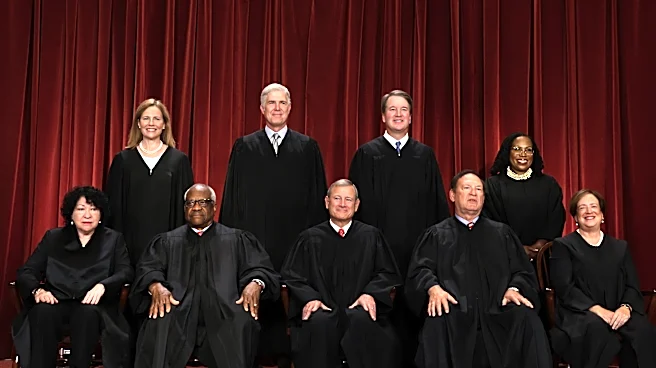
What's Happening?
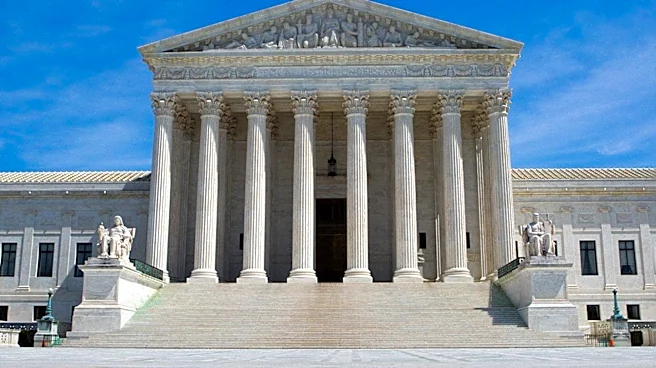
The Supreme Court is considering a petition to review the 8th Circuit’s decision in Chase v. Andeavor Logistics LP (now Aubol v. Andeavor Logistics LP), a case concerning a pipeline trespassing on Indigenous allotment lands. These allotments are parcels
carved out of Indian reservations. The federal right-of-way for the pipeline expired in 2013, and while the Mandan, Hidatsa, and Arikara Nation agreed to extend it for tribal lands, individual tribal citizens have not consented for their allotments. The 8th Circuit remanded the issue to the Bureau of Indian Affairs, citing federal regulations for Indian country rights-of-way. The cert petition argues this conflicts with the Supreme Court’s Oneida County v. Oneida Indian Nation decision, which established a federal common law cause of action for Indigenous property owners to bring trespass actions in federal court. This case is part of a trend of lower court decisions diminishing Indigenous property rights, often by imposing a "public interest" standard on Indigenous property that is not typically applied to private property.
Why It's Important?
This case is critically important for defining the scope of Indigenous property rights in the United States and challenging a historical legacy where Indigenous property has often been treated differently from private property. The Supreme Court's decision could either reinforce or overturn lower court precedents that have, in some instances, allowed pipelines to remain on Indigenous lands despite expired easements, citing a "public interest" that often favors energy companies. A ruling in favor of the tribal citizens could strengthen Indigenous sovereignty and property rights, providing a clearer path for tribal nations and individual Indigenous landowners to assert control over their lands and seek remedies for trespass. Conversely, a decision upholding the 8th Circuit's approach could further entrench the notion that Indigenous property is subject to a different, less protective standard, potentially impacting future infrastructure projects and resource development on or near tribal lands.
What's Next?
The Supreme Court's decision on whether to grant certiorari in Aubol v. Andeavor Logistics LP will be the immediate next step. If the Court agrees to hear the case, its ruling will have significant implications for federal Indian law and property rights. Regardless of the outcome, the case highlights ongoing tensions between tribal sovereignty, federal regulations, and corporate interests, particularly in the context of energy infrastructure. The Department of Justice's litigation positions, which sometimes echo historical "guardianship" concepts over Indigenous property, will also remain under scrutiny. This case, along with others like the Tohono O’Odham Nation's claim against the Department of Homeland Security regarding a border wall, indicates a continuing legal battle over the extent of federal control versus tribal self-determination concerning Indigenous lands.
Beyond the Headlines
The legal battles over Indigenous property rights, exemplified by the Andeavor case, delve into the deep-seated historical context of federal-tribal relations, often characterized by a "guardianship" mentality that has historically disadvantaged Indigenous peoples. Justice Neil Gorsuch has previously highlighted how the federal government has blocked tribal nations from asserting their rights, such as water rights, suggesting a pattern where Indigenous interests are sometimes subsumed under broader federal or public interests. This ongoing struggle raises fundamental questions about justice, equity, and the interpretation of treaties and federal law. The outcome of such cases can have profound cultural and economic impacts on tribal nations, affecting their ability to manage their resources, preserve their heritage, and achieve self-sufficiency, while also influencing the broader national discourse on land rights and environmental justice.