







What's Happening?
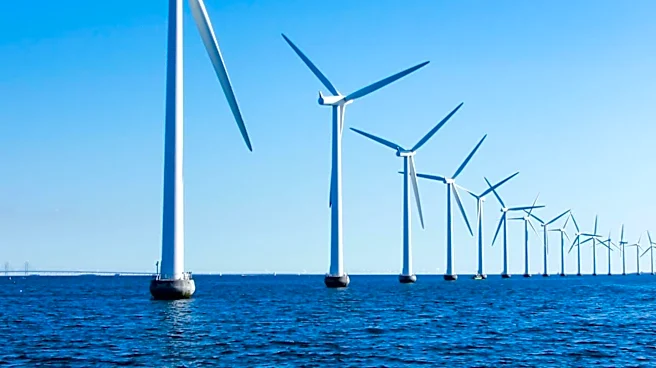
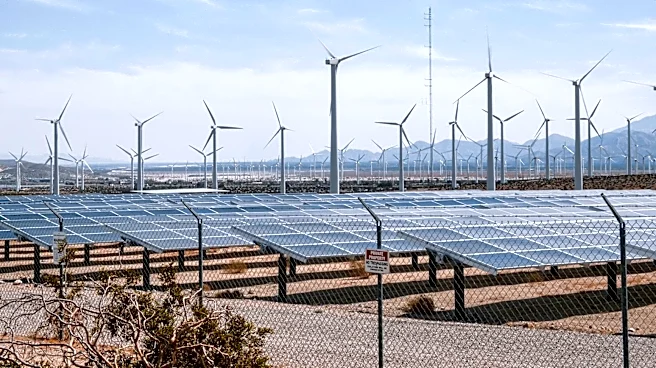
The largest wind farm in U.S. history, SunZia, has begun operations in New Mexico, capable of powering over a million homes. However, the future of wind energy in the U.S. faces significant challenges due to President Trump's policies against renewable
energy, particularly wind. His administration has implemented measures to block new wind developments, including a moratorium on wind projects on federal lands and waters, which was later deemed illegal by a federal judge. Additionally, the wind industry is grappling with the end of tax credits, tariffs, and delays in grid connections. These factors, combined with inflation and local opposition, have created a precarious situation for wind energy developers.
Why It's Important?
The actions taken by President Trump have significant implications for the U.S. renewable energy sector. By stalling wind energy projects, the administration is impacting the country's ability to transition to cleaner energy sources. This not only affects the environment but also the economy, as investments in renewable energy are crucial for job creation and energy independence. The wind industry, which has been a growing sector, now faces uncertainty, potentially leading to a slowdown in renewable energy advancements. This situation highlights the tension between federal policies and the need for sustainable energy solutions.
What's Next?
The wind industry may need to adapt by exploring alternative strategies to overcome these challenges. This could involve increased advocacy for policy changes, investment in technology to reduce costs, and seeking new markets or partnerships. The legal battles over the administration's policies may continue, potentially leading to further court rulings that could impact the future of wind energy development. Stakeholders in the renewable energy sector will likely continue to push for more supportive policies to ensure the growth and sustainability of clean energy projects.