




What's Happening?
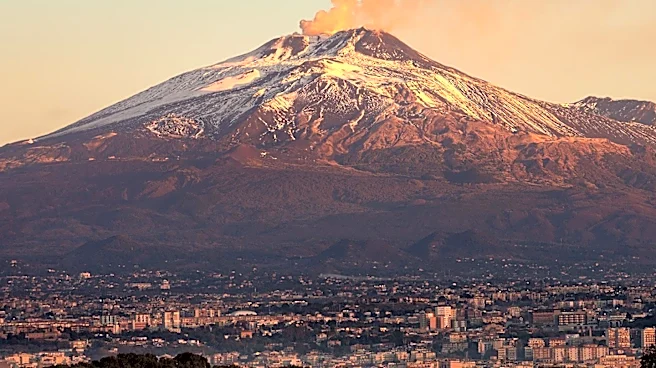
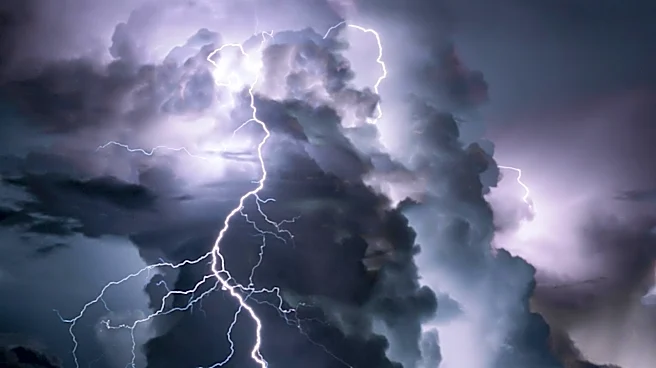
A 29-year-old U.S. tourist from Kansas died after being struck by lightning while hiking on Mount Etna in Italy. The incident occurred in an area that was closed to visitors due to recent volcanic activity. Italian firefighters rescued the individual
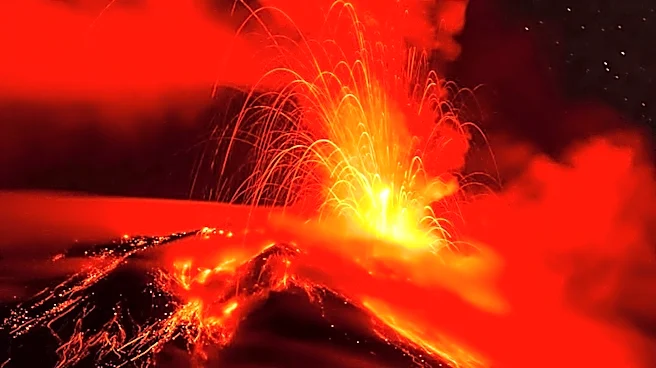
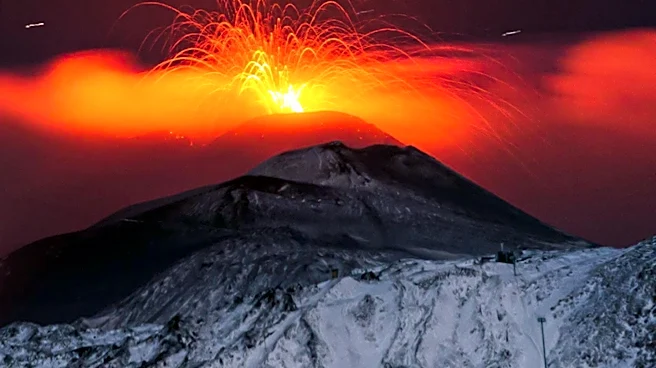
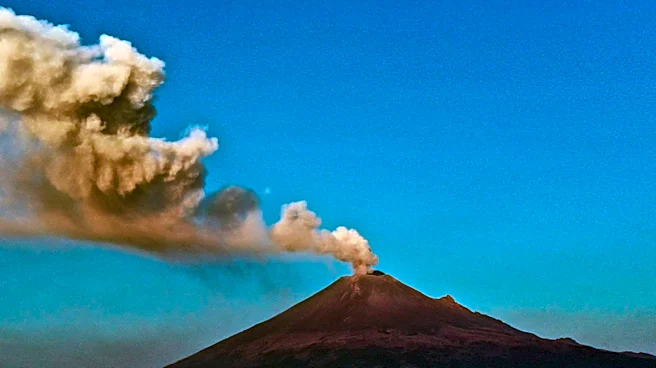
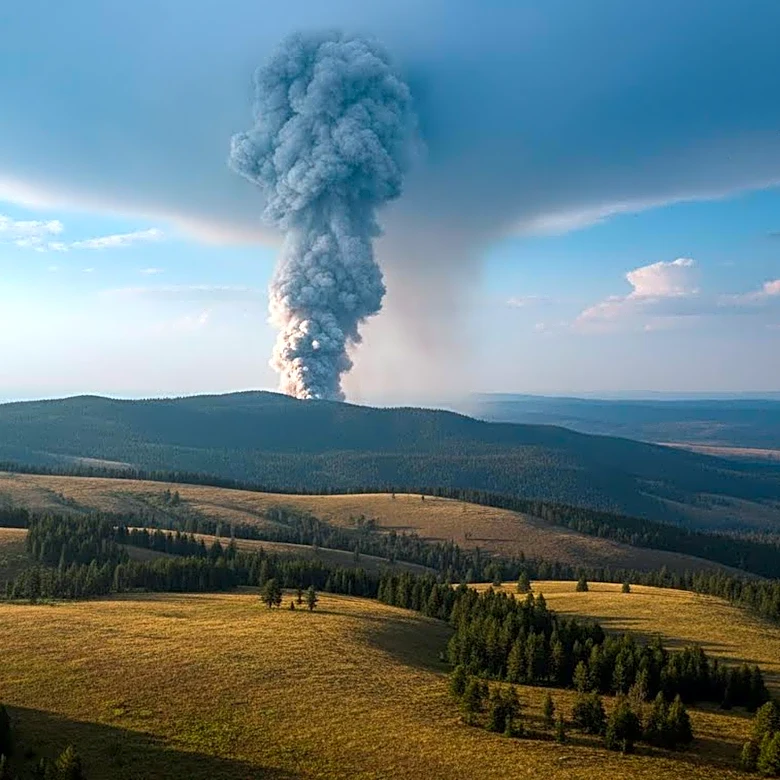
by helicopter from an exposed area above the tree line, but the tourist was later pronounced dead. This tragic event happened a day before Mount Etna experienced a new eruption, sending plumes of smoke and ash into the sky. Authorities have restricted access to large sections of the volcano, and its activity had previously led to the closure of Catania airport for a significant part of the preceding week. Officials have noted that lightning strikes have caused more fatalities on Mount Etna in recent decades than volcanic activity itself.
Why It's Important?
This incident underscores the inherent dangers associated with natural phenomena, even in popular tourist destinations, and highlights the critical importance of adhering to local safety warnings and restricted access zones. For U.S. citizens traveling abroad, it serves as a stark reminder of the need to be aware of and respect local regulations, especially in environments prone to natural hazards like active volcanoes. The death of a U.S. national in such circumstances can prompt travel advisories or increased awareness campaigns from the U.S. State Department regarding safety precautions in high-risk areas. It also brings into focus the responsibilities of tour operators and local authorities in ensuring the safety of visitors and clearly communicating potential risks, particularly when areas are deemed unsafe. The economic impact on local tourism, especially in regions heavily reliant on visitors to natural landmarks, could be a concern if such incidents deter future travel.
What's Next?
Following this fatality, Italian authorities are likely to reinforce existing restrictions and potentially implement stricter enforcement measures for access to hazardous areas on Mount Etna. There may be increased scrutiny on how safety warnings are communicated to tourists, especially international visitors. The U.S. Embassy in Italy will likely provide consular assistance to the family of the deceased and may issue updated travel advice for U.S. citizens planning to visit volcanic regions. Local tourism bodies might review their safety protocols and public information campaigns to prevent similar incidents. Further scientific monitoring of Mount Etna's activity will continue, influencing future access decisions. The incident could also lead to discussions about the liability of tour operators or local governments when tourists enter restricted zones.
Beyond the Headlines
Beyond the immediate tragedy, this event highlights a broader challenge in managing human interaction with dynamic natural environments. The allure of natural wonders often leads individuals to underestimate risks or disregard safety warnings, driven by a desire for unique experiences. This incident could spark a wider conversation about personal responsibility versus the duty of care from authorities in tourist-heavy natural sites. It also touches upon the psychological aspect of risk perception, where the perceived rarity of an event like a lightning strike in a specific location might lead to complacency. The long-term implications could include a re-evaluation of insurance policies for adventure tourism and potentially new international standards for safety signage and communication in hazardous natural attractions, aiming to prevent future tragedies involving both domestic and international visitors.