







What's Happening?
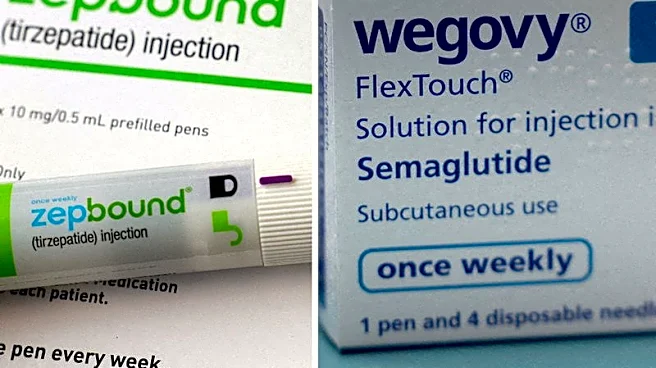
The Therapeutic Goods Administration (TGA) in Australia has issued a warning about a rare but severe eye disorder associated with GLP-1 drugs, including Ozempic and Wegovy, used for type 2 diabetes and obesity treatment. The disorder, non-arteritic anterior
ischaemic optic neuropathy (NAION), can lead to permanent visual impairment. The TGA's warning follows reports of 36 cases linked to these medications. Despite the warning, the TGA does not recommend discontinuing the drugs without consulting a doctor, as the benefits of managing diabetes and obesity may outweigh the risks. Novo Nordisk, the manufacturer of these drugs, maintains that the benefit-risk profile remains favorable.
Why It's Important?
This warning from the TGA highlights the ongoing need for vigilance in monitoring the side effects of widely used medications. The potential link between GLP-1 drugs and NAION could influence prescribing practices and patient management strategies. For Novo Nordisk and other pharmaceutical companies, this development underscores the importance of transparency and rigorous safety monitoring. The warning may also prompt further research into the long-term effects of GLP-1 drugs, potentially impacting regulatory policies and patient trust in these treatments.
Beyond the Headlines
The TGA's warning raises broader questions about the balance between drug efficacy and safety. As pharmaceutical companies continue to innovate in the treatment of chronic conditions like diabetes and obesity, ensuring patient safety remains paramount. This situation also highlights the role of regulatory bodies in safeguarding public health and the potential challenges they face in assessing complex risk profiles. The case may lead to increased scrutiny of post-marketing surveillance practices and the need for clear communication between healthcare providers and patients regarding potential risks.