




What's Happening?
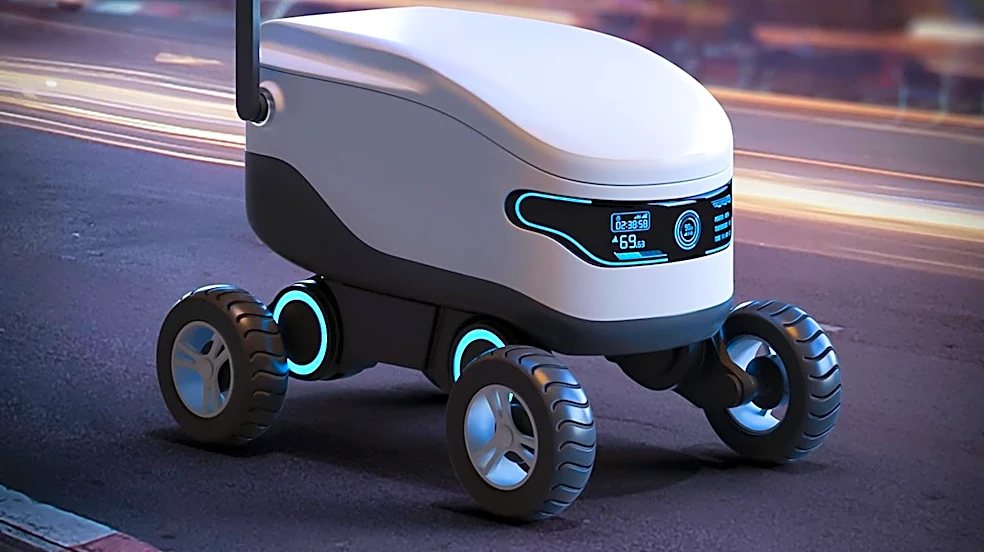
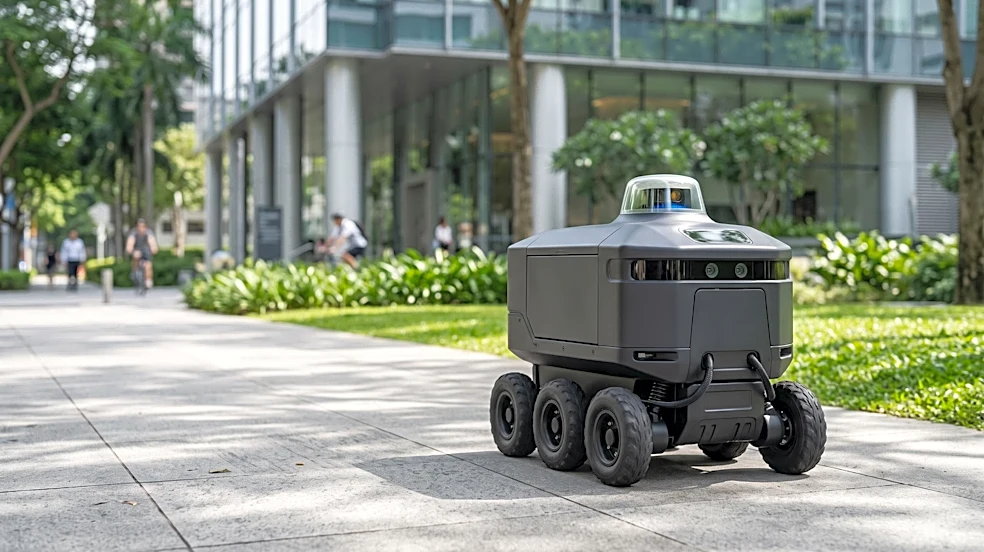
Two class-action lawsuits have been filed in the Circuit Court of Cook County, Illinois, against food delivery robot companies Coco and Serve. The lawsuits allege that these robot services are scanning the faces and hands of customers and individuals
encountered on their delivery routes without consent, in violation of the Illinois Biometric Information Privacy Act (BIPA). The complaints state that the biometric data collected, including detailed geometrical measurements of faces and hands via LiDAR sensors, is used to train the companies’ AI models and is shared with third parties. The Illinois BIPA, enacted in 2008, defines biometric identifiers as retina or iris scans, fingerprints, voiceprints, or scans of hand or face geometry, and mandates that third parties inform individuals about data collection and obtain their consent for recording, transmitting, and using such data. Both Coco Robotics and Serve Robotics deny the claims, with Coco stating it does not use LiDAR in Chicago and complies with Illinois law, and Serve asserting its robots do not identify individuals or create biometric profiles.
Why It's Important?
These lawsuits highlight the growing legal and ethical challenges surrounding biometric data collection by autonomous technologies in public spaces. The Illinois Biometric Information Privacy Act is one of the strictest laws of its kind in the U.S., providing individuals with a private right of action against companies that violate its provisions. The outcome of these cases could set a significant precedent for how technology companies, particularly those deploying AI-powered autonomous devices, must handle biometric data. It underscores the tension between technological innovation, such as the use of AI for robot navigation and interaction, and individual privacy rights. If the plaintiffs prevail, it could lead to substantial financial penalties for the companies involved, with damages potentially reaching $1,000 for negligent violations and $5,000 for intentional or reckless violations per person. This could force companies to re-evaluate their data collection practices, enhance transparency, and implement more robust consent mechanisms, impacting the operational models of food delivery robot services and other autonomous systems nationwide.
What's Next?
The immediate next steps involve the legal proceedings in the Circuit Court of Cook County, where Coco Robotics and Serve Robotics will formally respond to the allegations and present their defenses. The lawsuits seek class-action certification, which, if granted, would allow all individuals in Illinois who were recorded by these robots without consent to join the litigation. The discovery phase will likely involve scrutinizing the technical specifications of the robots' sensors, their data collection protocols, and any data-sharing agreements with third parties. The legal battle will focus on whether the companies' actions constitute a violation of the Illinois BIPA, particularly regarding informed consent and data transmission. Regardless of the specific outcome, these cases are expected to intensify public and legislative scrutiny of biometric data collection by autonomous devices. This could lead to increased calls for clearer regulations, industry standards, and consumer education regarding biometric privacy, potentially influencing future technology development and deployment strategies across various sectors.
Beyond the Headlines
Beyond the immediate legal implications, these class-action lawsuits delve into the deeper societal implications of ubiquitous biometric data collection in an increasingly automated world. The counsel for the plaintiffs emphasized that biometric information is a 'core part of who they are' and that the risks of losing control of this data are greater than ever with advanced AI systems. This speaks to a fundamental concern about personal autonomy and the potential for pervasive surveillance, even by seemingly innocuous delivery robots. The cases raise questions about the 'right to be unrecorded' in public spaces and the extent to which individuals can reasonably expect privacy when interacting with autonomous technologies. The alleged sharing of biometric data with third parties, including AI developers, also highlights the opaque nature of data ecosystems and the potential for data to be used in ways unforeseen by individuals. This ongoing debate will likely shape future legal frameworks, public perception, and the ethical guidelines for the development and deployment of AI and robotics, pushing for a balance between innovation and the protection of individual privacy in the digital age.