







What's Happening?
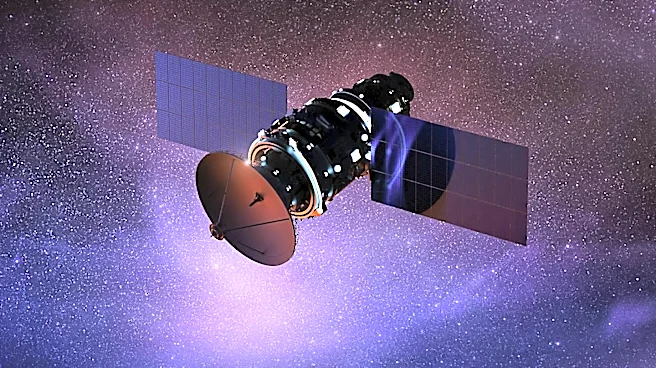
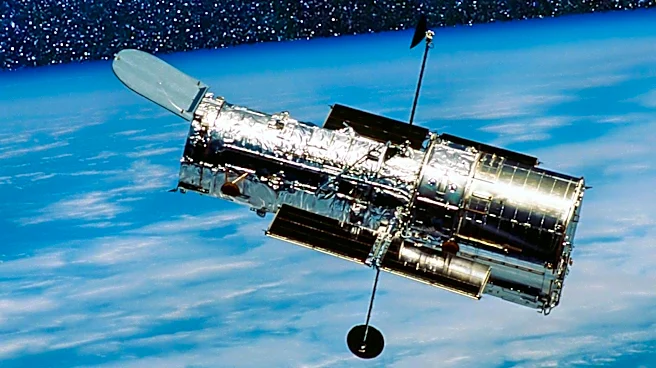
NASA is undertaking a mission to save the Swift telescope, which is losing altitude and nearing Earth's atmosphere after 22 years in space. The telescope, launched in 2004, has been pivotal in studying gamma-ray bursts and contributed to significant discoveries,
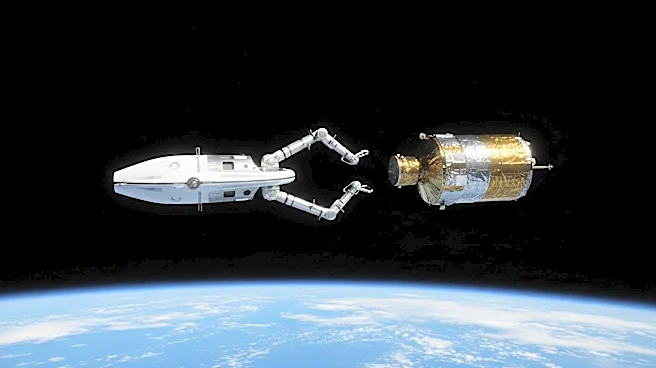
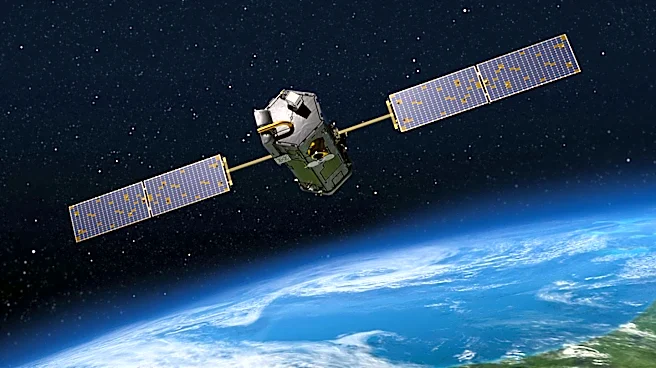
such as confirming the formation of heavy elements during cosmic explosions. To prevent the telescope from burning up upon re-entry, NASA is investing $30 million in a mission involving a service spacecraft named Link. This spacecraft will use robotic arms to capture Swift and elevate it to a higher orbit, marking a historic first if successful.
Why It's Important?
The mission to save the Swift telescope highlights NASA's commitment to preserving valuable scientific instruments and extending their operational life. Swift's contributions to astrophysics, particularly in understanding gamma-ray bursts, have been substantial. By investing in this mission, NASA aims to continue leveraging Swift's capabilities for future discoveries. The operation also demonstrates technological advancements in space missions, showcasing NASA's ability to perform complex maneuvers to maintain and extend the life of space assets. This could set a precedent for future missions aimed at preserving aging space infrastructure.
What's Next?
If successful, the mission will pave the way for similar operations to extend the life of other aging space telescopes and satellites. The scientific community will closely monitor the mission's progress, as its success could lead to new opportunities for research and data collection. NASA's approach may inspire other space agencies to adopt similar strategies for their aging assets. The mission's outcome will also influence future funding and development of technologies for space maintenance and repair.