





What's Happening?
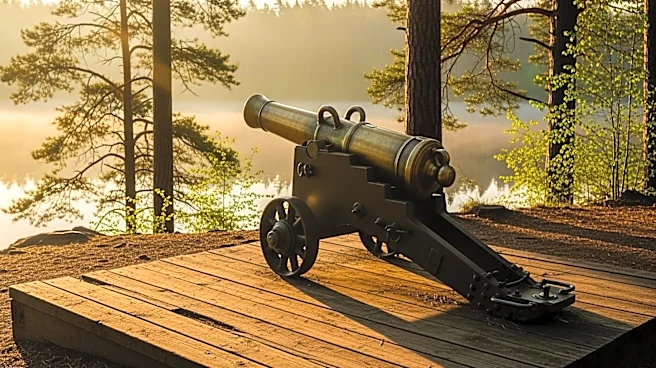
Mackinac State Historic Parks is offering a series of immersive historical experiences this summer to celebrate America's 250th anniversary. Visitors can engage in hands-on activities such as firing cannons and exploring forts after hours at Colonial
Michilimackinac and Fort Mackinac. The programs are designed to provide a deeper connection to the past, with activities including morning cannon-firing sessions and curator-led tours. The cannon-firing experiences, available at both sites, cost $100 and include general admission. Additionally, the 'Guns Across the Straits' program at Colonial Michilimackinac allows participants to fire various black powder weapons, including muskets and cannons, for $250. Curator-led tours delve into the historical significance of the sites, with themes like the American Revolution and the evolution of Fort Mackinac from the Revolutionary War through the War of 1812.
Why It's Important?
These programs at Mackinac State Historic Parks offer a unique opportunity for visitors to engage with American history in a hands-on manner. By allowing participants to actively partake in historical reenactments, the parks provide an educational experience that goes beyond traditional museum visits. This initiative not only enhances public understanding of historical events but also supports cultural tourism, which can have significant economic benefits for the region. The programs attract history enthusiasts and tourists, potentially boosting local businesses and contributing to the preservation of these historic sites. Furthermore, such interactive experiences can foster a greater appreciation for the nation's heritage among visitors of all ages.
What's Next?
The programs at Mackinac State Historic Parks are scheduled to run throughout the summer, with specific dates for different activities. The parks are open from early May to late October, providing ample opportunity for visitors to participate. As the summer progresses, the parks may see increased attendance, prompting potential expansions or additional offerings to accommodate visitor interest. Stakeholders, including local businesses and tourism boards, may collaborate to promote these experiences further, enhancing the region's appeal as a historical destination. Continued success of these programs could lead to similar initiatives at other historical sites across the country.