





What's Happening?
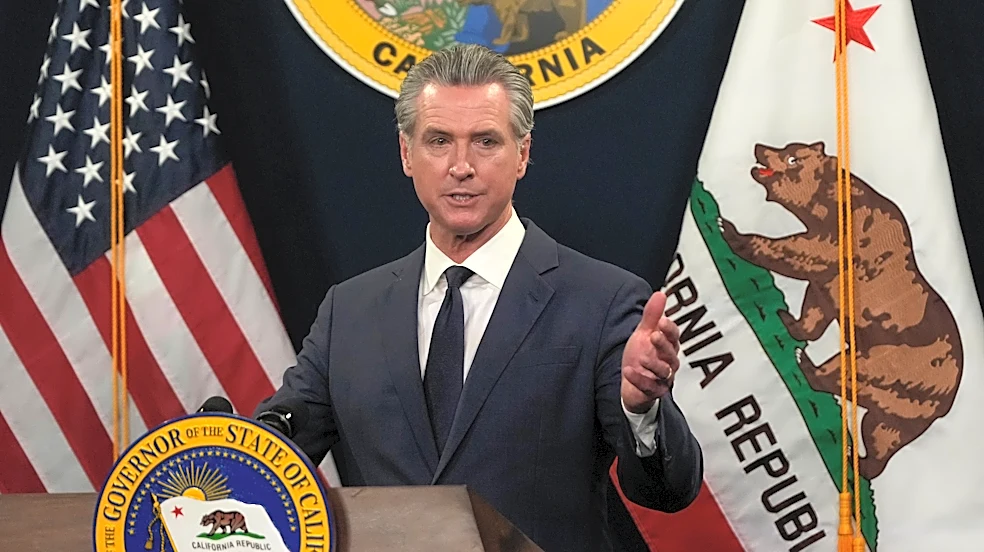
Governor Gavin Newsom has announced several appointments to various District Agricultural Association Boards across California. These appointments include Stefanie Roumeliotes to the 1a District Agricultural Association – Cow Palace Fair Board, Tera Napier
to the 21st District Agricultural Association – Madera County Fair Board, and Sam Nejabat and Mark Arabo, both reappointed to the 22nd District Agricultural Association – Del Mar Fair Board. Donna DeBerry was also reappointed to the 22nd District Agricultural Association – Del Mar Fair Board. Further appointments include Venoma “Nomie” Bengel-Kautz and Jonathan “John” Garcia to the 24A District Agricultural Association – Kings County Fair Board, Kelsi Williams-Karschner and Don Dowell to the 26th District Agricultural Association – Amador County Fair Board, Stephanie Dietz to the 35th District Agricultural Association – Merced County Fair, and Michael “Mike” Neilson and Jennifer Hanson to the 49th District Agricultural Association – Lake County Fair Board. These positions do not require Senate confirmation and are uncompensated. The appointees bring diverse professional backgrounds, including business, education, and public service, to their roles.
Why It's Important?
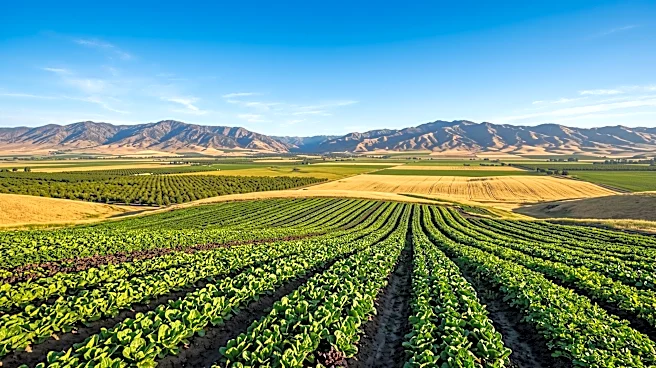
These appointments are significant for California's agricultural sector and local communities. District Agricultural Associations play a crucial role in organizing and overseeing county and district fairs, which are vital cultural and economic events. These fairs showcase local agriculture, promote community engagement, and often serve as platforms for youth development programs like 4-H and Future Farmers of America. The individuals appointed will be responsible for guiding the operations and strategic direction of these fairs, influencing their ability to attract visitors, support local businesses, and preserve agricultural heritage. The uncompensated nature of these positions highlights a reliance on civic-minded individuals dedicated to public service, ensuring that the boards are composed of those with a genuine interest in their communities rather than financial gain. The diverse professional backgrounds of the appointees suggest a multifaceted approach to managing these important local institutions.
What's Next?
The newly appointed and reappointed board members will assume their roles immediately, contributing to the planning and execution of upcoming agricultural fairs and related activities. Their immediate tasks will likely involve strategic planning for future events, financial oversight, and community outreach to ensure the continued success and relevance of their respective district agricultural associations. Given the ongoing evolution of agricultural practices and community needs, these boards will need to adapt to new challenges and opportunities, potentially exploring innovative ways to engage the public and support local producers. The appointees' varied expertise, from business development to education and environmental science, suggests a potential for fresh perspectives and initiatives in managing these long-standing institutions. Their work will directly impact the cultural and economic vitality of their local regions.
Beyond the Headlines
The consistent appointment of individuals to these agricultural boards underscores California's commitment to preserving its agricultural identity and fostering community engagement through local fairs. Beyond their immediate economic impact, these fairs serve as important cultural touchstones, connecting urban and rural populations and educating the public about the origins of their food and the importance of sustainable agricultural practices. The volunteer nature of these positions also reflects a broader trend of civic participation, where individuals contribute their time and expertise to public service without direct financial compensation. This model relies on a strong sense of community responsibility and a dedication to local heritage. The long-term implications include the potential for these boards to influence agricultural policy at a local level, promote agricultural education, and ensure the continued viability of farming communities in a rapidly changing state.