


What's Happening?
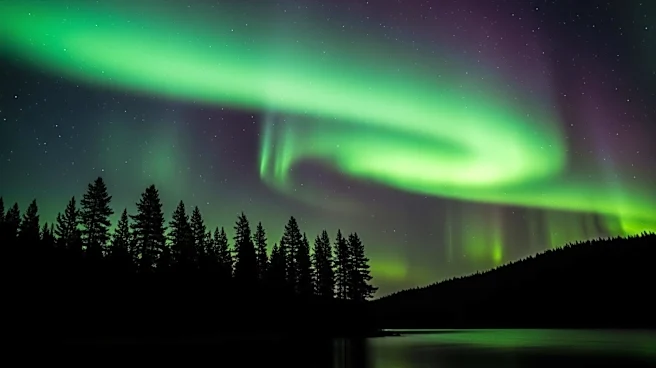
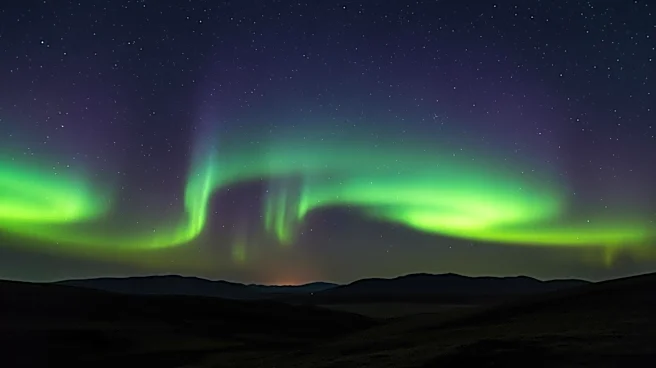
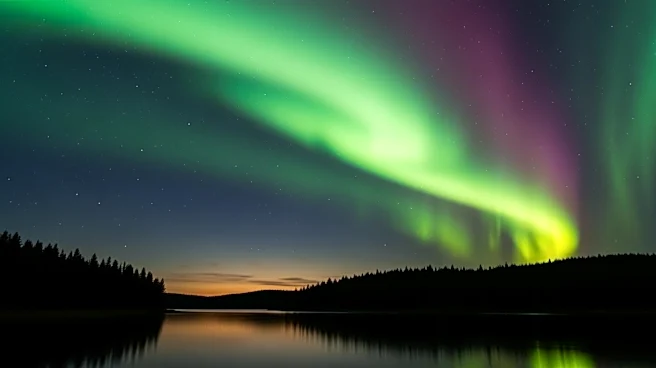
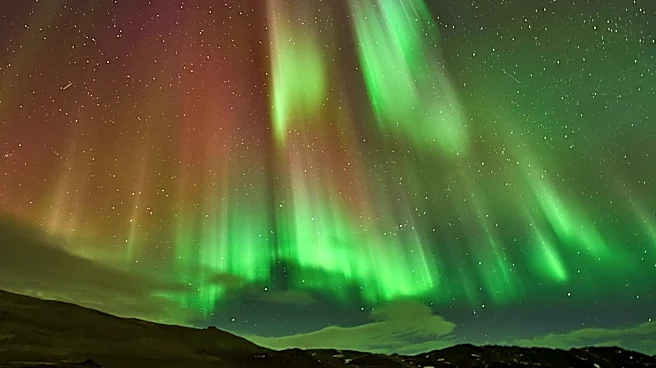
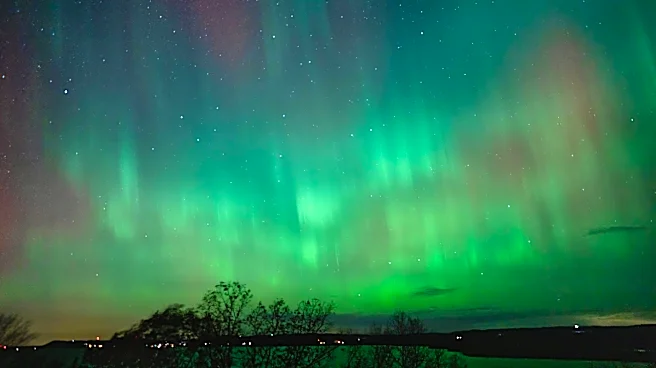
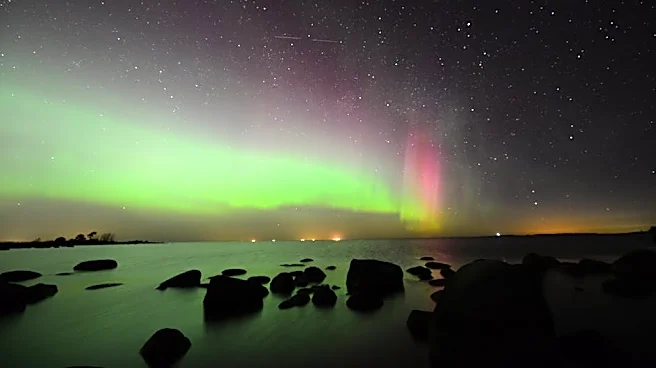
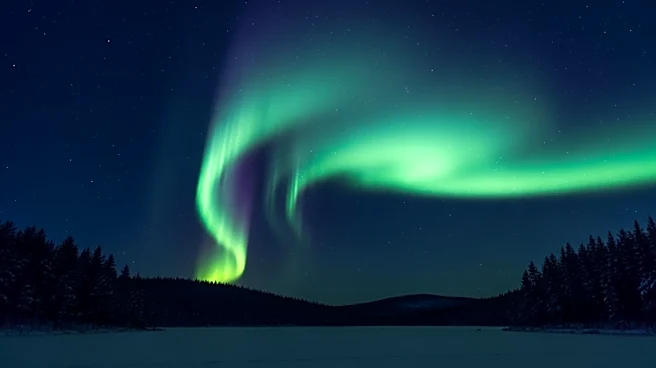
A geomagnetic storm is set to create a spectacular display of the aurora borealis, or Northern Lights, across North America. The National Oceanic and Atmospheric Administration (NOAA) reports that the northern United States and much of Canada will have
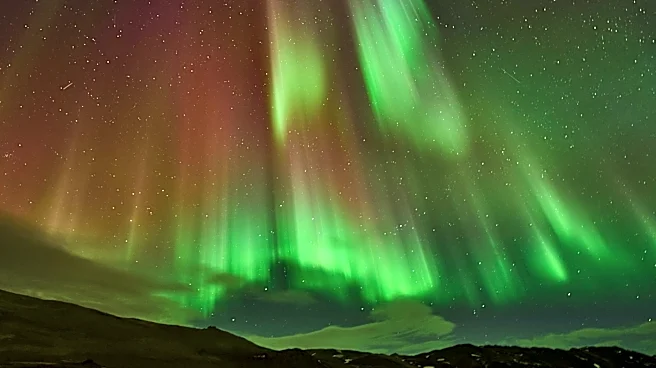
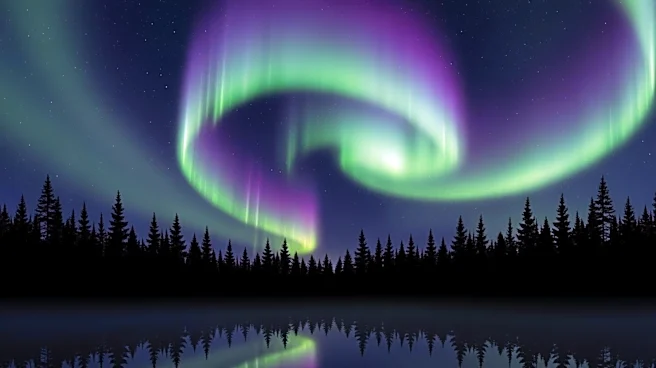
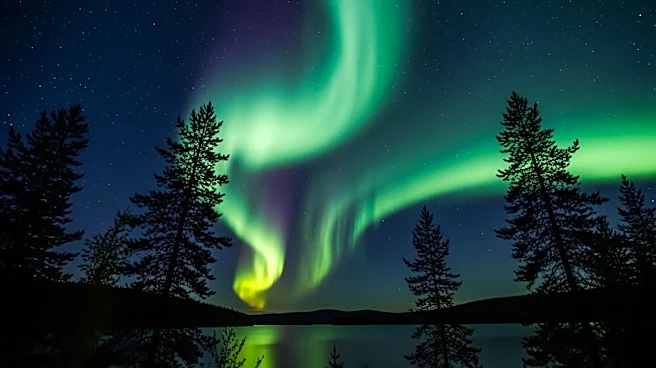
optimal viewing conditions on Saturday and Sunday nights. The aurora, characterized by vibrant green, purple, and pink lights, occurs when high-energy particles from space collide with Earth's atmosphere. The best viewing times are just after sunset or before sunrise, as the lights are not visible during the day. This natural phenomenon is typically observed in March and November, though the reasons for this timing are not fully understood.
Why It's Important?
The aurora borealis is a rare and captivating natural event for many in North America, especially those living far from the poles where such displays are more common. This event provides a unique opportunity for stargazers and nature enthusiasts to experience a direct interaction with space weather. The widespread visibility of the aurora could boost local tourism in areas with clear skies and minimal light pollution, as people travel to witness the spectacle. Additionally, the event highlights the importance of understanding space weather and its effects on Earth's atmosphere.
What's Next?
As the geomagnetic storm progresses, NOAA will continue to monitor and provide updates on the aurora's visibility. Stargazers are encouraged to find locations with minimal light pollution for the best viewing experience. The event may also prompt increased interest in space weather research and public awareness of its impacts. Future geomagnetic storms could lead to similar displays, offering more opportunities for observation and study.