






What's Happening?
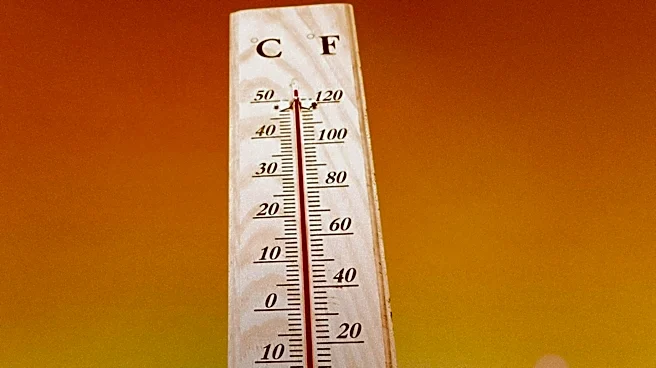
Augusta, Georgia, is currently experiencing a multi-day heat advisory with forecast highs near 100 degrees Fahrenheit and a heat index potentially reaching 108 degrees. In response to these dangerous conditions, the Augusta Emergency Management Agency
has kept several cooling centers open across Augusta-Richmond County to provide residents with relief. These centers, including Bernie Ward Community Center, Blythe Center, Carrie J. Mays Center, Eastview Community Center, Robert Howard Community Center, Henry H. Brigham Center, May Park, McBean Community Center, McDuffie Woods Community Center, Sand Hills Center, and Warren Road Community Center, are operating with extended hours. Residents are strongly encouraged to take precautions such as staying hydrated, limiting strenuous outdoor activities, taking frequent breaks in shaded or air-conditioned areas, and wearing appropriate clothing. Additionally, the agency advises checking on vulnerable individuals like older adults and those with limited mobility, and never leaving children or pets unattended in vehicles.
Why It's Important?
The prolonged extreme heat in Augusta highlights a critical public health and safety concern, particularly for vulnerable populations. High temperatures and heat indexes can lead to heat-related illnesses, including heat exhaustion and heatstroke, which can be fatal if not addressed promptly. The availability of cooling centers is vital for residents who may lack adequate air conditioning at home or are otherwise susceptible to the heat's effects. This initiative underscores the importance of local government and emergency services in mitigating the immediate dangers of severe weather events. The need for such measures also points to broader societal challenges related to climate change and urban heat island effects, which can exacerbate extreme heat conditions in metropolitan areas. Ensuring access to cool spaces is a fundamental aspect of community resilience in the face of rising global temperatures.
What's Next?
As the heat advisory continues, Augusta's emergency management will likely monitor weather conditions closely and adjust cooling center operations as needed. The immediate focus will remain on public safety, ensuring residents are aware of the resources available and adhere to safety guidelines. There may be continued public awareness campaigns emphasizing hydration, limiting outdoor exposure, and checking on neighbors. In the longer term, the recurring nature of such extreme weather events could prompt discussions and planning for more permanent infrastructure solutions or community programs to address heat vulnerability. This might include evaluating the energy efficiency of public buildings, expanding green spaces to reduce urban heat, or developing more robust early warning systems for heatwaves. The city may also assess the effectiveness of current cooling center strategies to refine future responses.
Beyond the Headlines
The ongoing heat advisory in Augusta, Georgia, extends beyond immediate public safety concerns, touching upon deeper societal and environmental implications. The necessity of opening numerous cooling centers underscores the growing challenge of climate change and its direct impact on daily life and public health in U.S. cities. This situation highlights disparities in access to climate-controlled environments, as those without adequate home cooling systems are disproportionately affected. It also brings to light the strain on local resources and emergency services, which must adapt to more frequent and intense weather events. Furthermore, the event could stimulate broader conversations about urban planning, sustainable infrastructure, and community resilience strategies designed to protect residents from extreme temperatures in the long run. The focus on vulnerable populations also emphasizes the ethical responsibility of communities to ensure equitable access to life-saving resources during environmental crises.