





What's Happening?
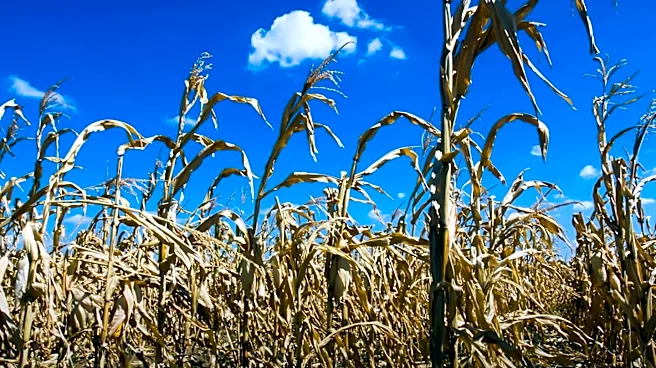
Albert Tenuta, a field crop pathologist with the Ontario Ministry of Agriculture, Food and Agribusiness (OMAFA), and his team are conducting research in West Elgin, Ontario, to assess the performance of corn varieties against tar spot disease. Since tar spot arrived
in southern Ontario in 2020, Tenuta has been testing different corn hybrids for their susceptibility and evaluating in-season control methods, including fungicide applications. The research plots provide consistent disease pressure, allowing for reliable data collection on how various corn varieties and management tools respond. This ongoing research, now in its sixth season, aims to provide growers with data-backed recommendations for selecting tar spot-resistant hybrids and optimizing fungicide timing. Tenuta emphasizes the importance of balancing yield and other agronomic needs with tar spot resistance ratings when choosing hybrids and advises growers to consult seed companies for their tar spot ratings and testing locations.
Why It's Important?
This research is crucial for U.S. corn growers, particularly those in states bordering the Great Lakes, as tar spot is a significant threat that can cause substantial yield losses. The findings from Ontario directly inform U.S. agricultural practices by providing insights into effective management strategies and the performance of different corn hybrids under disease pressure. Understanding which hybrids offer better resistance and the optimal timing for fungicide applications can help U.S. farmers protect their crops, reduce economic losses, and ensure food security. The development of new fungicides and formulations, as mentioned by Tenuta, also holds promise for future disease management tools that could be adopted by U.S. agriculture. The collaborative nature of this research, involving both public and private breeders, contributes to a broader understanding of tar spot and accelerates the development of more resilient corn varieties for the entire region.
What's Next?
Researchers will continue to monitor and assess tar spot development in corn research plots, with ongoing evaluations every one to two weeks. The data collected will inform future disease management strategies, including the refinement of fungicide application timings and the identification of new, more resistant corn hybrids. New experimental tools, including fungicides and formulations, are expected to be registered, offering additional options for growers. Seed companies will likely incorporate the research findings into their product recommendations, providing growers with updated tar spot resistance ratings. Growers are advised to actively engage with seed companies to inquire about these ratings and the testing locations to make informed decisions for the upcoming planting seasons. The long-term goal is to develop a comprehensive and sustainable approach to managing tar spot in corn.
Beyond the Headlines
The persistent challenge of tar spot highlights the broader issue of crop disease management in a changing agricultural landscape. The research underscores the importance of localized data and continuous innovation in plant pathology. Beyond immediate yield protection, the development of disease-resistant hybrids and effective fungicides contributes to agricultural sustainability by potentially reducing the reliance on broad-spectrum pesticides and promoting more resilient farming systems. The collaborative efforts between researchers, growers, and seed companies exemplify a proactive approach to agricultural challenges, emphasizing the need for integrated pest management strategies. This ongoing battle against crop diseases also has implications for global food supply chains, as corn is a staple crop, and its vulnerability to diseases like tar spot can have far-reaching economic and social consequences.