






What's Happening?
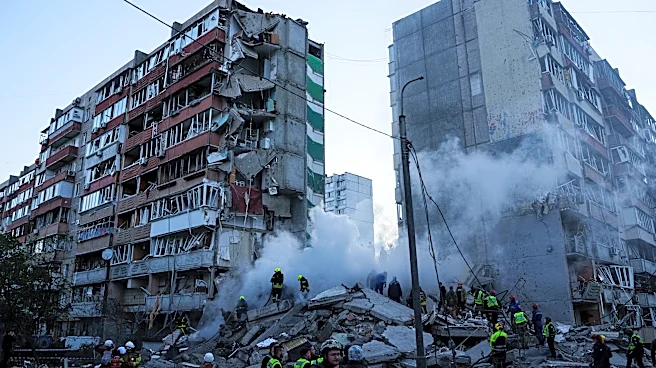
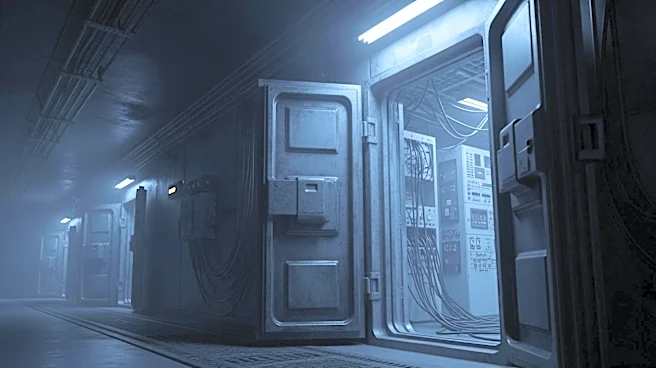
Russia has reportedly threatened to target key decision-making centers in Kyiv, Ukraine, which are located deep underground. These centers include government institutions such as the Cabinet of Ministers and the Presidential Office. According to Ukraine's
Defense Intelligence and President Volodymyr Zelenskyy, Russia may be planning strikes against these facilities. However, the technical challenge of penetrating such deeply buried targets is significant. The U.S. has demonstrated the difficulty of destroying underground facilities with advanced bunker-buster bombs, which can primarily collapse entrances rather than destroy entire systems. The most powerful U.S. bunker-buster, the GBU-57 Massive Ordnance Penetrator, can penetrate up to 60 meters of soil, but Russia lacks comparable weapons. The Russian KAB-1500L-Pr bomb can penetrate only 10 to 20 meters of soil, and its use would require Russian aircraft to fly over Kyiv, which is currently unrealistic due to Ukraine's air defenses. Russia's ballistic and aeroballistic missiles, such as the 9M723 Iskander and Kh-47M2 Kinzhal, have warheads that can penetrate only 3 to 5 meters of soil.
Why It's Important?
The potential targeting of Kyiv's underground decision-making centers by Russia highlights the ongoing tensions and military strategies in the Ukraine conflict. The inability of Russia to effectively strike these deeply buried targets underscores the limitations of its current military capabilities. This situation could influence military strategies and defense planning in Ukraine, as well as international responses to the conflict. The protection of these centers is crucial for maintaining Ukraine's governmental and military operations. The technical challenges faced by Russia in executing such strikes may also impact its strategic decisions and the overall dynamics of the conflict. Additionally, the situation draws attention to the importance of advanced military technology and defense systems in modern warfare.
What's Next?
Given the current limitations of Russia's military capabilities, it is unlikely that they will successfully target Kyiv's deeply buried decision-making centers in the near future. However, the threat remains a significant concern for Ukraine, which may continue to strengthen its air defenses and underground facilities. Internationally, this development could lead to increased support for Ukraine from allies, including the provision of advanced defense systems. The situation may also prompt further diplomatic efforts to address the conflict and prevent escalation. Monitoring Russia's military developments and potential advancements in bunker-buster technology will be crucial for assessing future threats.