





What's Happening?
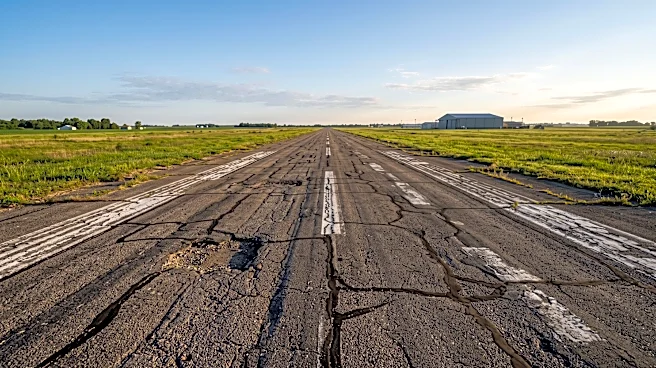
The Federal Aviation Administration (FAA) has issued $1.1 billion in grants to 280 airports across 46 states and three U.S. territories. This funding, provided through the FAA’s Airport Improvement Program (AIP), is designated for critical airport infrastructure
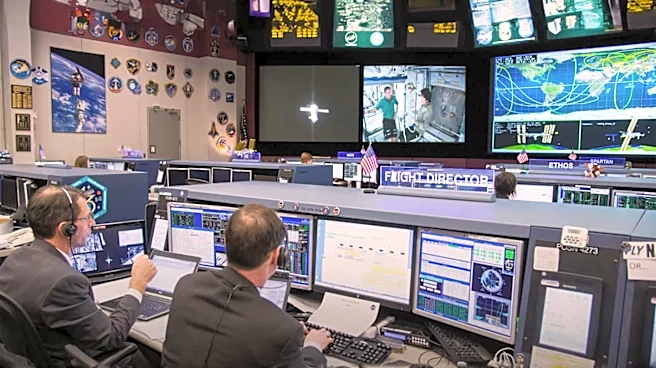
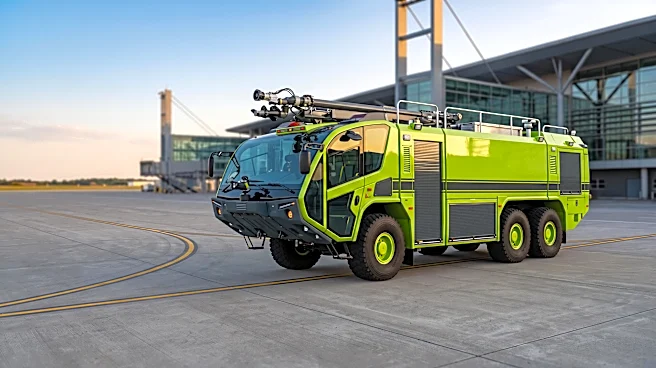
upgrades. These projects include improvements to runways, taxiways, signage, lighting, markings, and other safety-related enhancements. A portion of this funding, $16.5 million from the Working Families Tax Cut Act, is specifically allocated to equip airport vehicles with Vehicle Movement Area Transmitters (VMATs). According to Bryan Bedford, FAA administrator, these VMATs will enhance air traffic controllers' situational awareness of aircraft and vehicles on the airport surface, thereby strengthening the National Airspace System. This disbursement is part of a series of recent FAA funding allocations, including $481 million in early September, $615 million in late August, $870 million in early August, and $1.776 billion in July, all aimed at improving airport infrastructure and safety.
Why It's Important?
This significant allocation of $1.1 billion is crucial for maintaining and enhancing the safety and efficiency of the U.S. air transportation system. By upgrading essential infrastructure like runways and taxiways, the grants directly contribute to reducing operational risks and improving the flow of air traffic. The investment in VMATs is particularly important as it provides air traffic controllers with advanced tools to manage increasingly complex airport environments, potentially preventing ground collisions and improving overall safety. These improvements benefit not only travelers through enhanced safety and reduced delays but also the broader economy by supporting the robust functioning of air cargo and business travel. The continuous nature of these funding disbursements underscores a sustained federal commitment to modernizing airport facilities nationwide, which is vital for national connectivity and economic competitiveness.
What's Next?
The recipient airports will now proceed with implementing the infrastructure projects funded by these grants. This will involve planning, procurement, and construction phases for upgrades to runways, taxiways, and other safety-critical components. The deployment of VMATs on airport vehicles will also commence, requiring coordination between airports and the FAA to integrate this new technology into existing air traffic control systems. These projects are expected to improve operational safety and efficiency at the 280 airports. The FAA is likely to continue its program of regular grant disbursements, as indicated by the pattern of recent allocations, to address ongoing infrastructure needs and technological advancements across the National Airspace System. Stakeholders, including airlines, passengers, and airport operators, will observe the progress and benefits of these upgrades as they are completed.
Beyond the Headlines
Beyond the immediate operational benefits, this substantial federal investment in airport infrastructure reflects a broader national strategy to ensure the long-term viability and competitiveness of the U.S. aviation sector. The focus on safety enhancements, particularly through technology like VMATs, highlights an evolving approach to air traffic management that leverages innovation to mitigate risks. This continuous modernization effort also has economic ripple effects, supporting jobs in construction, engineering, and technology sectors. Furthermore, by improving the efficiency and capacity of airports, these grants indirectly contribute to regional economic development and tourism. The federal government's consistent commitment to airport funding, even amidst various economic cycles, underscores the recognition of aviation as a critical component of national infrastructure and a driver of economic growth and connectivity.