




What's Happening?
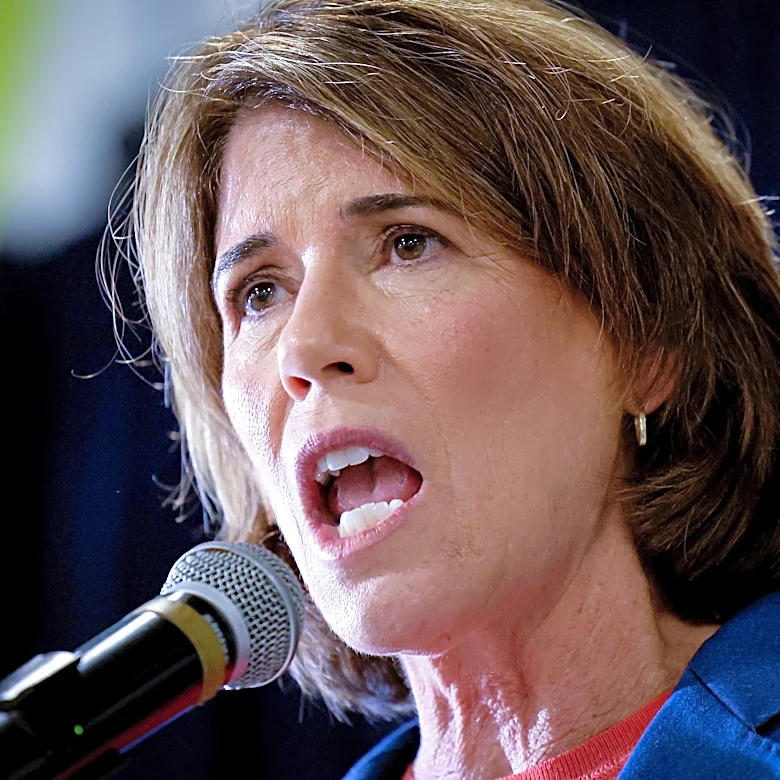
U.S. Representative Ami Bera and Democratic Representative Deborah Ross have introduced the SERVICE for America Act, a legislative proposal aimed at providing a pathway to permanent residency for eligible 'Dreamers' and 'Documented Dreamers' who are employed
in public service roles within the United States. This bill specifically targets young immigrants working in critical sectors such as healthcare, education, public safety, the military, social work, early-childhood education, government, and nonprofit organizations. The legislation seeks to address the precarious status of 'Documented Dreamers,' who are children of long-term visa holders and risk losing their dependent status upon turning 21 due to extensive green-card backlogs. Many Indian families are affected by these backlogs. Representative Bera emphasized that these individuals are already contributing significantly to the country and deserve a secure future.
Why It's Important?
The SERVICE for America Act is significant for several reasons, primarily addressing the long-standing issue of immigration status for young individuals who have grown up in the U.S. and are actively contributing to its society. By offering a pathway to permanent residency, the bill aims to retain skilled and dedicated individuals in vital public service sectors, which often face staffing shortages. This legislation could provide stability and peace of mind for thousands of 'Dreamers' and 'Documented Dreamers,' allowing them to fully integrate into American society without the constant threat of deportation or loss of status. Economically, retaining these individuals could bolster the workforce in critical areas and prevent the loss of talent that has been educated and trained in the U.S. Socially, it acknowledges the contributions of these young immigrants and aligns with principles of fairness and opportunity for those who consider the U.S. their home. The bill also highlights the broader need for comprehensive immigration reform to address the complexities of the current system, particularly the backlogs in employment-based green card applications.
What's Next?
The introduction of the SERVICE for America Act marks the initial step in the legislative process. The bill will now proceed through Congress, where it will undergo committee review, potential amendments, and votes in both the House of Representatives and the Senate. Supporters of the bill, including organizations like Improve The Dream, will likely engage in advocacy efforts to garner bipartisan support and raise public awareness about the plight of 'Dreamers' and 'Documented Dreamers.' Opponents may raise concerns about immigration policies or the scope of the bill. If passed, the act would establish a new W nonimmigrant visa, valid for three years and extendable, for qualifying public-service employees. Eligible immigrants could then apply for lawful permanent residency after two years of qualifying public service. The bill's future will depend on political will, negotiation, and the ability of its proponents to build a broad coalition.
Beyond the Headlines
Beyond its immediate impact on immigration policy, the SERVICE for America Act touches upon deeper societal and ethical questions regarding national identity, belonging, and the value placed on public service. The bill implicitly recognizes that individuals who have been raised and educated in the U.S., and who dedicate their careers to serving the country, should have the opportunity to build their lives here, regardless of their initial immigration status. This legislation could spark broader conversations about the definition of 'American' and the criteria for citizenship, moving beyond birthright or traditional immigration pathways to include contributions through public service. It also highlights the economic and social costs of an immigration system that forces highly skilled and dedicated individuals to leave the country they consider home. The act could serve as a model for future immigration reforms that prioritize integration and contribution, potentially shifting the narrative around immigration from one of burden to one of mutual benefit and national strength.