







What's Happening?
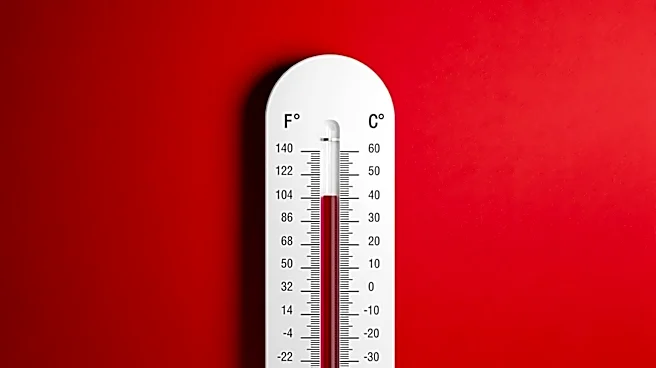
A significant heat wave is impacting over 125 million Americans across the United States, with heat alerts issued from Southern California to the Northeast. The National Weather Service has reported that daily record highs may be broken in several locations,
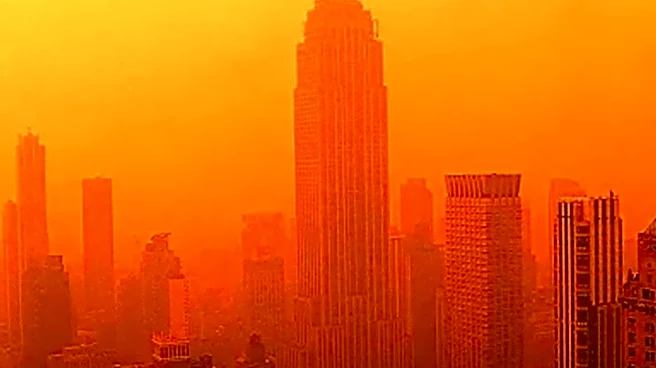
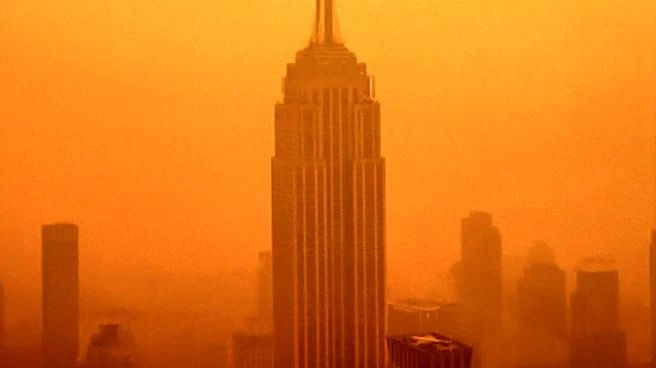
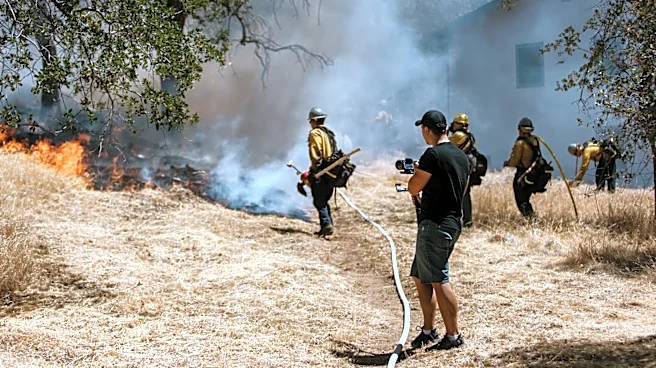
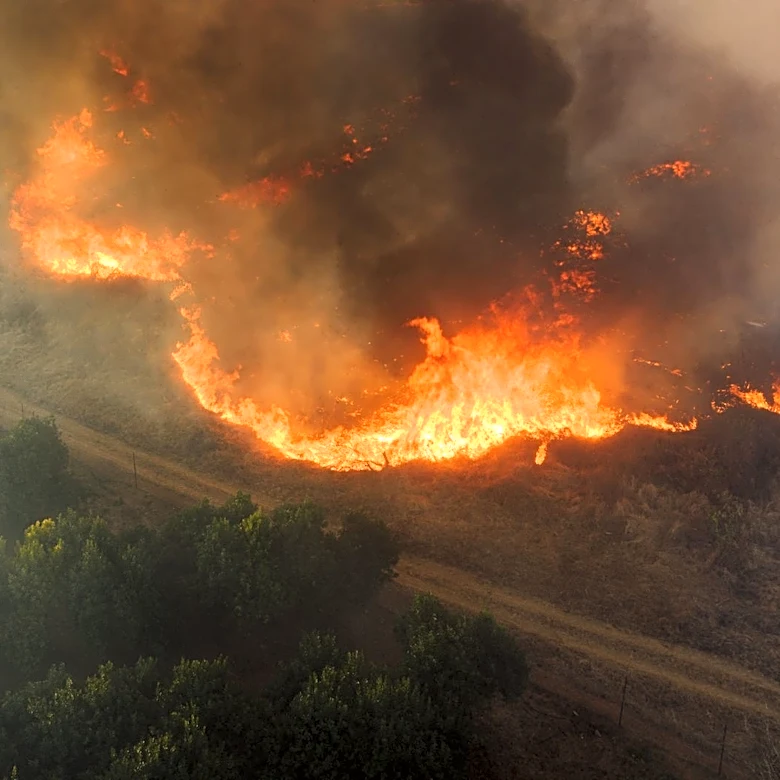
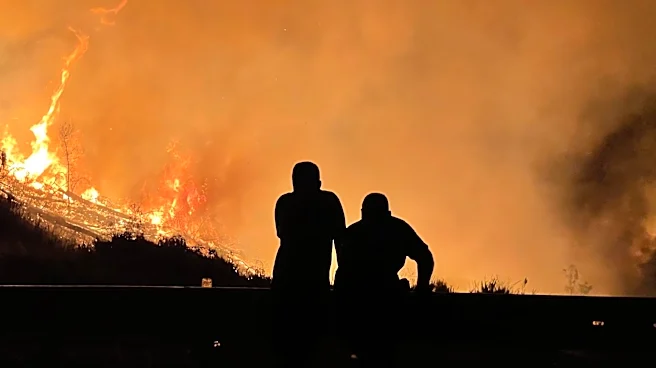
including Rapid City, Fargo, and Grand Forks. The Northeast is experiencing a heat wave with temperatures expected to reach or exceed 90 degrees for several days. Additionally, smoke from over 800 wildfires in Canada is expected to affect air quality in the upper Midwest and Northeast. The heat index in some areas could reach between 100 to 104 degrees, posing health risks to those without adequate cooling or hydration.
Why It's Important?
The widespread heat wave poses significant health risks, particularly to vulnerable populations such as the elderly and those without access to air conditioning. The combination of high temperatures and poor air quality due to wildfire smoke can exacerbate respiratory issues and other health conditions. Economically, the heat wave could lead to increased energy consumption as people rely on air conditioning, potentially straining power grids. The agricultural sector may also be affected, with heat stress impacting crop yields and livestock. Public health advisories emphasize the importance of staying hydrated and limiting outdoor activities during peak heat hours.
What's Next?
As the heat wave continues, authorities are likely to maintain or extend heat advisories and warnings. Emergency services may be on high alert for heat-related illnesses, and public cooling centers could see increased usage. The situation may prompt discussions on infrastructure resilience and climate adaptation strategies. In the coming days, the Northeast is expected to see some relief as temperatures cool, but this will coincide with an increased chance of storms, which could bring their own set of challenges.