






What's Happening?
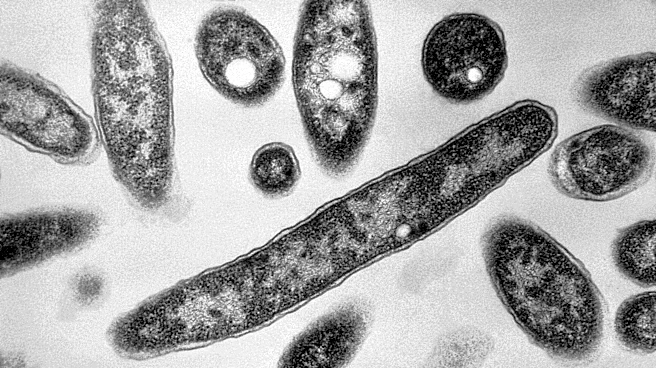
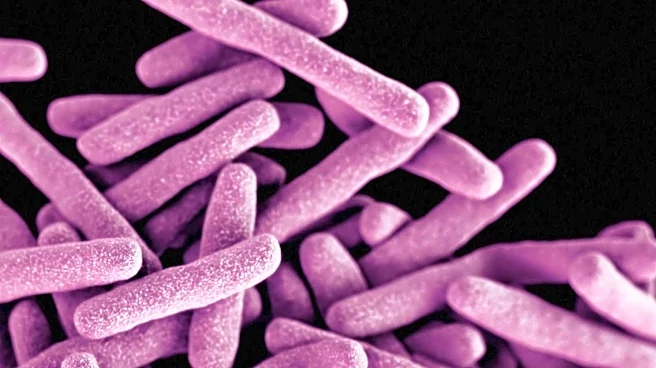
A third person has died from the Legionnaires' disease outbreak on the Upper East Side of New York City, according to health officials. The outbreak, which has resulted in at least 74 cases and over 59 hospitalizations, is linked to Legionella bacteria
found in 76 cooling towers across the Upper East Side and one on the Upper West Side. The disease, a severe form of pneumonia, can be treated with antibiotics if detected early. City officials have mandated the cleaning and disinfection of all buildings with positive Legionella screenings, with all required remediations completed by July 16. The recent decline in new cases suggests the source of the outbreak has likely been eliminated.
Why It's Important?
The outbreak highlights the ongoing public health challenges posed by Legionnaires' disease, particularly in urban environments with dense populations and extensive infrastructure. The situation underscores the importance of regular maintenance and monitoring of cooling systems to prevent bacterial growth. The outbreak's impact is significant, affecting public health and potentially straining local healthcare resources. It also raises concerns about building compliance with health regulations, as over 250 cooling towers in New York City were cited for Legionella-related issues last year. The outbreak's resolution is crucial to restoring public confidence and ensuring community safety.
What's Next?
Health officials will continue to inspect cooling towers that tested positive for Legionella and hold accountable any building owners who fail to comply with public health laws. Ongoing monitoring and testing will be essential to prevent future outbreaks. The city may also consider implementing stricter regulations and more frequent inspections to ensure compliance and safeguard public health. Community awareness campaigns could be launched to educate residents about the symptoms and risks of Legionnaires' disease, encouraging early detection and treatment.