






What's Happening?
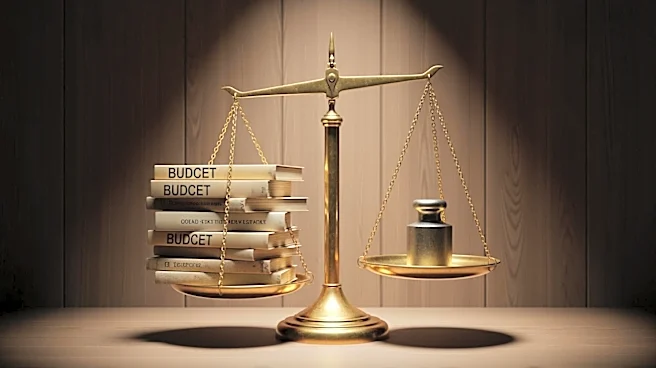
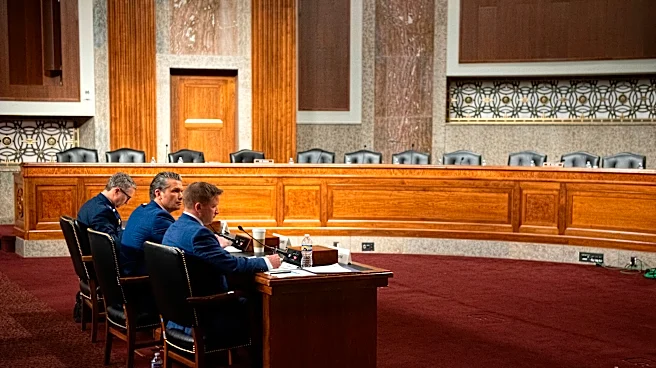
Senate Democrats have criticized the Trump administration's proposal to significantly cut the Environmental Protection Agency's (EPA) budget, describing it as a move that undermines the agency's mission to protect human health and the environment. During
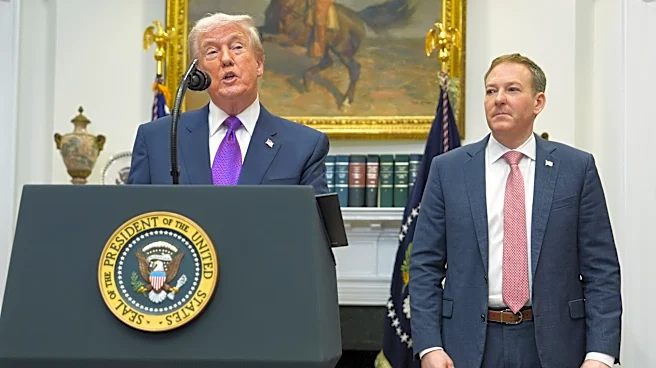
a congressional hearing, EPA Administrator Lee Zeldin defended the budget cuts, arguing they would make the agency more efficient. The proposed budget would reduce funding for state environmental programs and halt certain climate research initiatives. Democrats, however, argue that these cuts would hinder efforts to address pollution and climate change, with some labeling the proposal as a 'climate change deniers’ manifesto.' The budget plan also includes rescinding regulations on coal plant emissions and greenhouse gas limits, which Democrats claim would benefit the fossil fuel industry at the expense of public health.
Why It's Important?
The proposed budget cuts to the EPA could have significant implications for environmental protection efforts in the United States. By reducing funding for state programs and cutting back on climate research, the proposal may weaken the country's ability to address environmental challenges such as pollution and climate change. This could lead to increased health risks for the public, including higher rates of asthma and cancer due to pollution. Additionally, the rollback of regulations on emissions could exacerbate climate change, impacting ecosystems and weather patterns. The proposal has sparked a debate about the balance between economic growth and environmental protection, with critics arguing that the cuts prioritize industry interests over public health and safety.
What's Next?
The proposed budget cuts are subject to approval by Congress, which has the final say on federal spending. Historically, Congress has not fully adhered to White House budget requests, often modifying or rejecting proposed cuts. As the debate continues, environmental advocates and industry stakeholders are likely to lobby lawmakers to influence the final budget outcome. The ongoing discussions may also prompt further scrutiny of the EPA's policies and priorities, potentially leading to legislative or regulatory changes. The outcome of this budget proposal could set a precedent for future environmental policy and funding decisions.