





What's Happening?
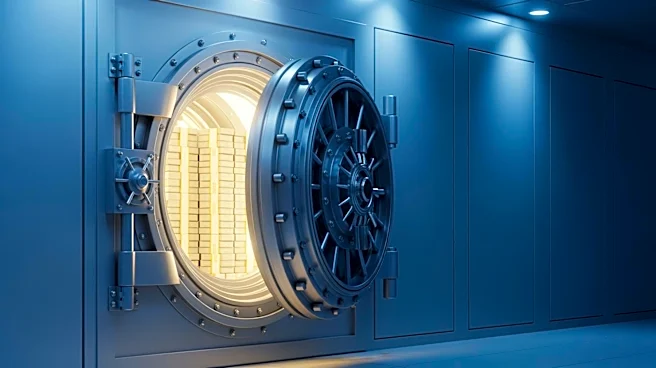
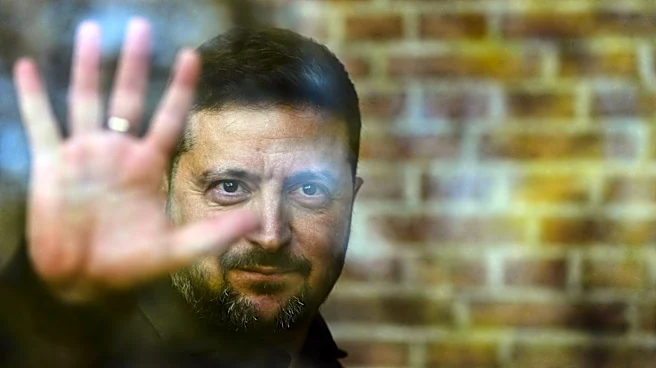
The European Union has approved a €90 billion loan to Ukraine and a 20th package of sanctions against Russia, ending a diplomatic deadlock. This decision comes as EU leaders prepare for summit talks in Cyprus, which will include discussions with Ukrainian
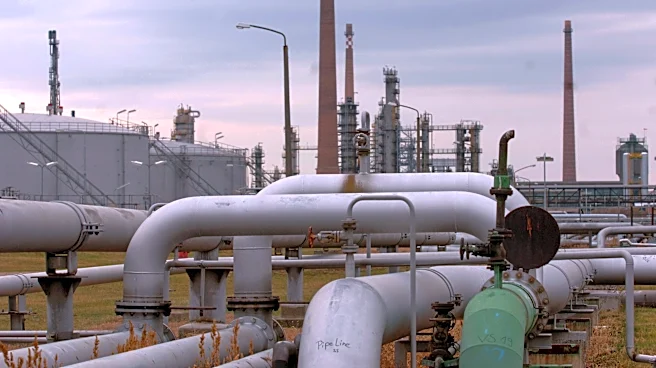
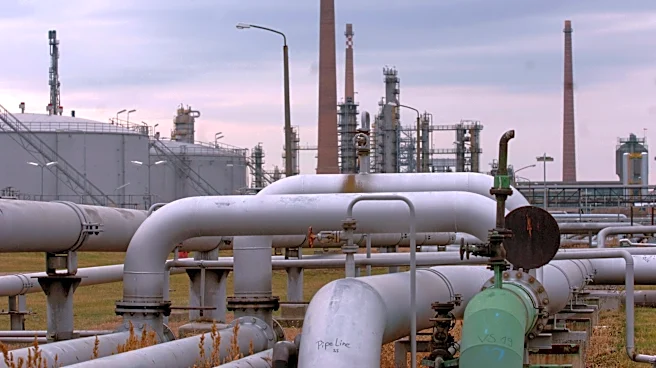
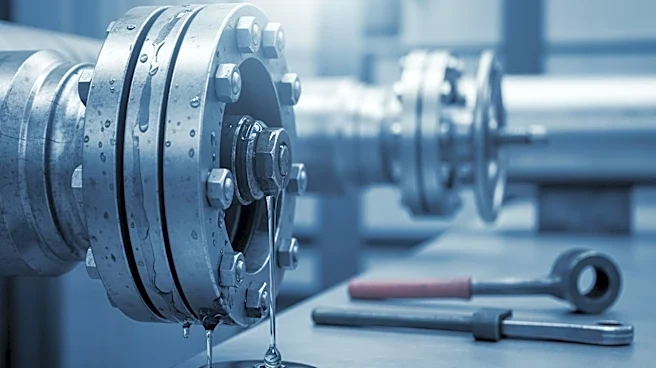
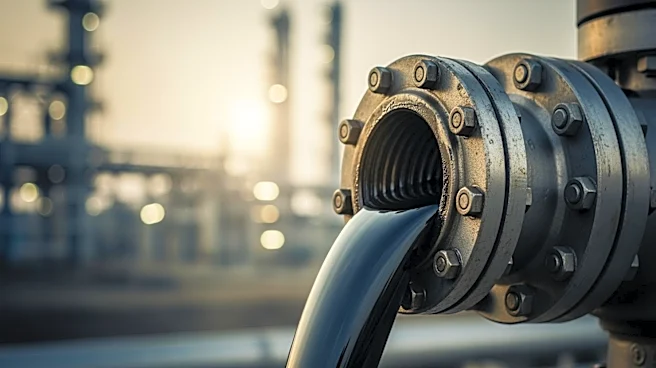
President Volodymyr Zelenskyy. The loan aims to provide financial certainty to Ukraine, supporting arms production and energy sector preparations for winter. The sanctions package is part of ongoing efforts to pressure Russia amid its aggression. Hungary lifted its veto on the loan and sanctions after resolving a dispute over a damaged oil pipeline.
Why It's Important?
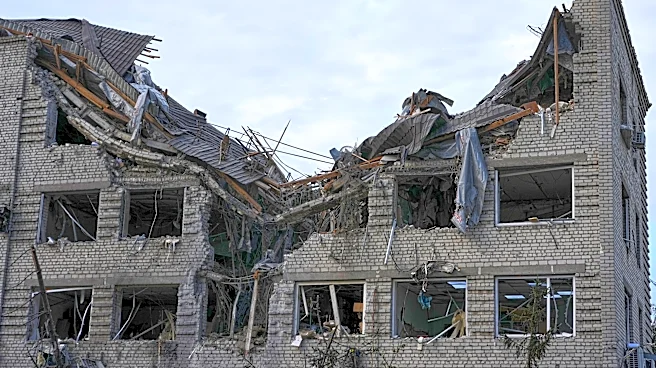
The EU's financial support and sanctions are crucial in bolstering Ukraine's defense capabilities and economic stability amid ongoing conflict with Russia. The loan provides Ukraine with the means to procure necessary weapons and strengthen its energy infrastructure, which has been targeted by Russian attacks. The sanctions aim to weaken Russia's war economy, demonstrating the EU's commitment to supporting Ukraine and deterring further aggression. This development also underscores the EU's strategic interests in maintaining regional stability and addressing energy dependencies, as leaders discuss measures to mitigate rising energy prices and transition to green energy.
What's Next?
EU leaders will continue discussions on energy strategies, including potential tax cuts and incentives for green energy adoption. The summit will also address the broader implications of the Middle East conflict on energy prices. Regional leaders are expected to participate in talks, focusing on maintaining a ceasefire and exploring diplomatic solutions. The EU's approach to energy and foreign policy will be closely watched, as it navigates complex geopolitical challenges and seeks to balance economic interests with security concerns.