







What's Happening?
NASA's International Space Station (ISS) crew has been engaged in a series of scientific and maintenance activities, including DNA-inspired cancer research and biomedical tests. ESA astronaut Sophie Adenot demonstrated the use of an Optical Coherence
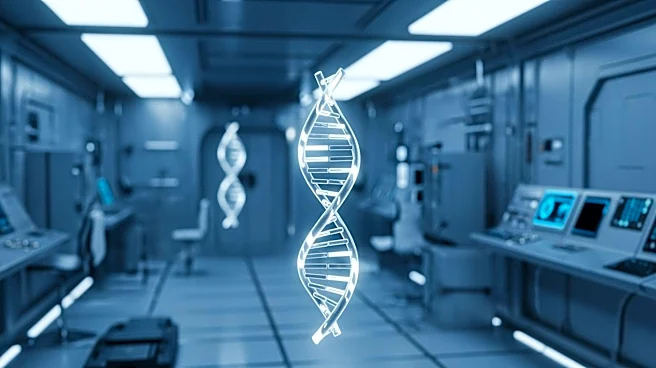
Tomography machine for eye exams, while NASA flight engineer Jessica Meir worked on the Cold Atom Lab, inspecting its components. The crew also conducted heart and eye health exams, with NASA astronaut Chris Williams focusing on unloading supplies from the Cygnus XL cargo spacecraft. The DNA Nano Therapeutics-3 investigation, led by Adenot, involves creating nanomaterials that mimic DNA to develop potential cancer treatments. These activities are part of ongoing efforts to study human health and advanced materials in microgravity.
Why It's Important?
The research and activities conducted on the ISS have significant implications for both space exploration and medical advancements on Earth. The DNA-inspired cancer research could lead to new treatments that target cancer cells more effectively while minimizing side effects. The biomedical tests help understand the impact of space travel on human health, which is crucial for long-term missions. These studies not only advance scientific knowledge but also contribute to the development of technologies and treatments that can benefit people on Earth. The ISS serves as a unique laboratory for conducting experiments that are not possible in terrestrial environments, providing insights into fundamental scientific questions.