







What's Happening?
A new Israeli study conducted at the Shamir Research Institute, under the University of Haifa, has found that the concentration of psychoactive compounds in magic mushrooms can vary by nearly eightfold between strains of the same species, even when grown
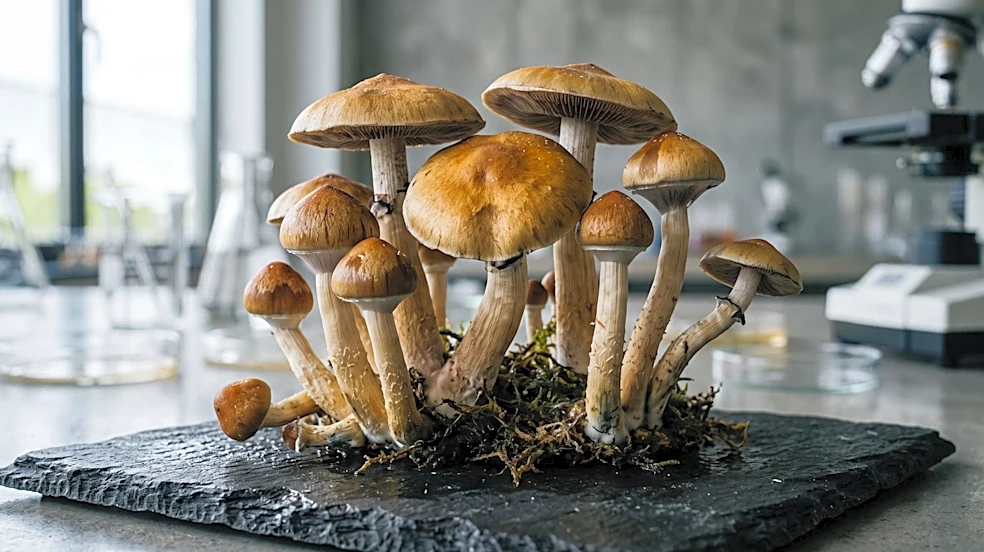
under identical laboratory conditions. Published in the Journal of Fungi, the research examined 14 strains of Psilocybe cubensis, a common psilocybin-producing mushroom species. The study revealed that neither a mushroom's weight nor its species and strain names reliably predict the amount of active compounds it contains. Significant variability was also observed between individual mushrooms within the same strain. This inconsistency poses a major challenge for developing standardized medical products from whole mushrooms, which would require precise and consistent dosing for therapeutic applications in mental health conditions like treatment-resistant depression and PTSD.
Why It's Important?
This research is critically important for the burgeoning field of psychedelic medicine, particularly for the development of psilocybin-based treatments in the United States and globally. The significant variability in psychoactive compound concentrations directly impacts the ability to create standardized, pharmaceutical-grade products from whole mushrooms. Consistent dosing is a cornerstone of modern medicine, and without it, clinical trials and therapeutic applications face substantial hurdles in ensuring safety and efficacy. This study highlights the need for rigorous analytical methods and controlled production processes to unlock the full potential of psilocybin for mental health. It also has implications for regulatory bodies considering the legalization or medical use of psilocybin, as they will need to address how to ensure product consistency and patient safety.
What's Next?
The next stage of research will focus on developing a more controlled production method. Instead of growing complete mushrooms on a solid substrate, researchers at Psilution, a subsidiary of the Shamir Research Institute, plan to cultivate mycelium (the fungal filaments) in a liquid medium within a bioreactor. This method is expected to produce a more chemically uniform material, which is essential for pharmaceutical manufacturing and psychiatric treatment development. Cultivating mycelium in a bioreactor could also significantly shorten production times from approximately eight weeks to just one week. Further studies will also need to address how to accurately determine the optimal concentrations and ratios of active compounds for various therapeutic applications, moving towards personalized and precise psilocybin treatments.
Beyond the Headlines
Beyond the scientific and medical implications, this study touches upon the broader societal conversation surrounding psychedelics and their potential role in mental health. The findings underscore the complexities of integrating natural substances into a regulated medical framework, highlighting the gap between traditional use and pharmaceutical standards. It also raises questions about the safety and predictability of unsupervised or recreational use, where individuals may unknowingly consume vastly different doses. The push towards controlled cultivation methods reflects a broader trend in psychedelic research to standardize and de-risk these compounds for clinical application. This research contributes to the ongoing debate about how to balance the therapeutic promise of psychedelics with the imperative for rigorous scientific validation and patient safety.