


What's Happening?
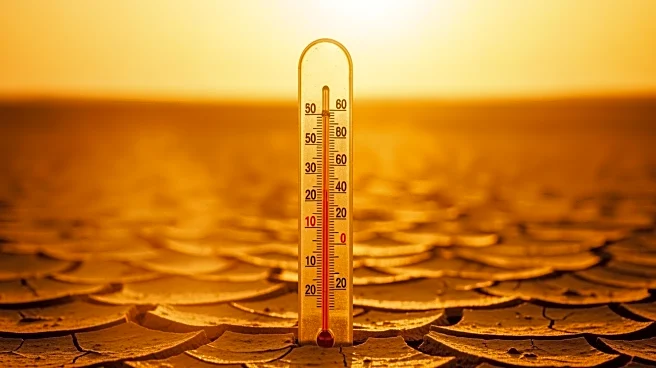
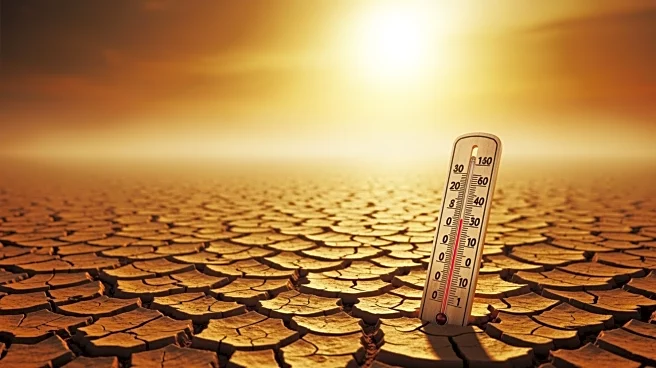
A recent study published in Nature Ecology and Evolution has analyzed the effects of the 2021 'heat dome' that impacted the western United States and Canada. This extreme weather event, attributed to human-induced climate change, resulted in temperatures
exceeding 50°C and had significant ecological consequences. Researchers found that over 75% of the 49 terrestrial and marine species studied were negatively affected, with some populations declining by nearly 99%. The study highlighted the variability in species' responses, with some, like sea lettuce, thriving due to the die-off of other algae. The research combined weather, ecological, and hydrological data to assess the impact, revealing a 400% increase in wildfire activity and significant species loss.
Why It's Important?
The findings underscore the severe ecological disruptions caused by extreme weather events linked to climate change. The study's results highlight the vulnerability of various species to rapid temperature increases, which can lead to cascading ecological effects. The increase in wildfire activity and the decline in species populations could have long-term impacts on biodiversity and ecosystem stability. This research emphasizes the need for urgent climate action to mitigate such extreme events and protect ecological systems. The variability in species' responses also suggests that conservation strategies need to be tailored to specific ecological contexts.
What's Next?
The study's authors suggest that further research is needed to understand the long-term ecological impacts of such extreme weather events. Policymakers and conservationists may need to develop adaptive strategies to protect vulnerable species and ecosystems. This could involve creating microclimates or refuges for species sensitive to temperature changes. Additionally, the study may prompt discussions on climate policy and the importance of reducing greenhouse gas emissions to prevent future extreme weather events.