





What's Happening?
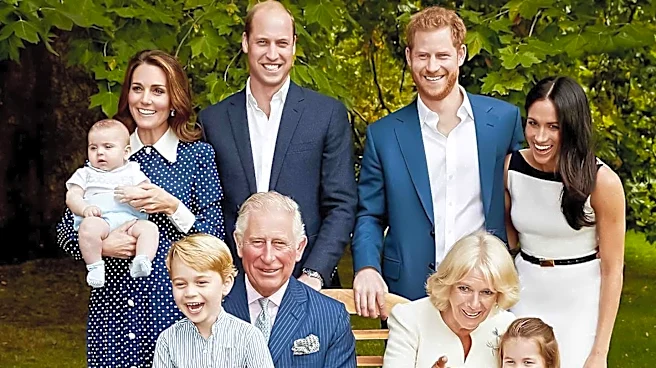
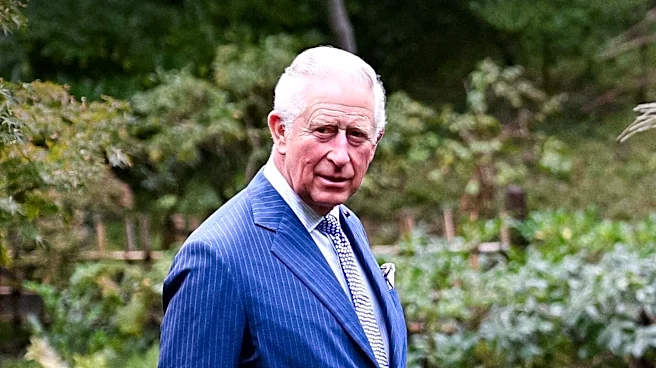
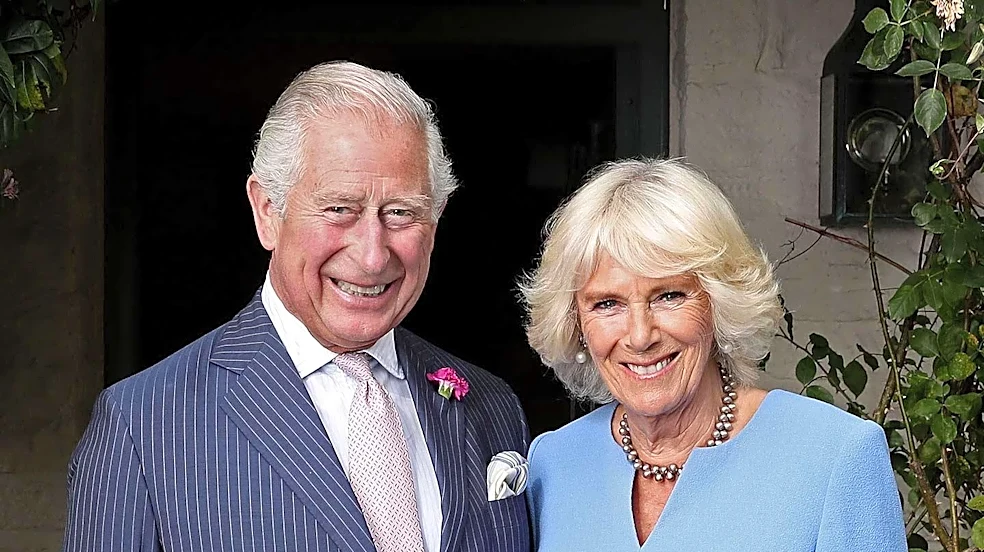
The relationship between King Charles and Camilla Parker Bowles was a central factor in the public account of the collapse of Charles' marriage to Princess Diana. Charles acknowledged adultery in a 1994 television documentary, and Diana admitted her relationship with
James Hewitt in a 1995 interview. These admissions are considered more reliable than speculative private conversations. The separation of Charles and Diana was announced in December 1992, with their divorce finalized on August 28, 1996. Diana retained the title Princess of Wales but ceased using 'Her Royal Highness.' The legal settlement concluded their marriage but did not end her relationship with her children or public interest. The source emphasizes that while Charles and Camilla's relationship is part of this history, attributing all marital difficulties solely to one person oversimplifies a complex marriage.
Why It's Important?
The public narrative surrounding the relationship between King Charles and Camilla Parker Bowles, and its impact on his marriage to Princess Diana, highlights the intense scrutiny faced by public figures, particularly those within royal families. The acknowledgment of adultery by both Charles and Diana in public interviews underscores the pressure to address personal matters in the media. This historical context is crucial for understanding the evolution of public perception regarding the British monarchy and the personal lives of its members. The distinction between documented events and speculative anecdotes is vital for maintaining historical accuracy, especially when dealing with high-profile individuals whose lives are often subject to widespread public and media interpretation. The enduring public interest in these relationships reflects broader societal fascinations with power, romance, and scandal.
What's Next?
While the immediate events discussed are historical, the legacy of Charles and Camilla's relationship continues to shape public perception of the monarchy. Future public engagements and media coverage involving King Charles and Queen Camilla will likely be viewed through the lens of their past, influencing how their roles and actions are interpreted. The ongoing public interest in royal biographies and documentaries suggests that discussions about their relationship, its challenges, and its eventual formalization will persist. The monarchy's efforts to present a unified and stable image will continue, but the historical narrative of their relationship will remain a significant part of their public story, potentially impacting future generations' understanding of royal duties and personal lives.
Beyond the Headlines
The story of Charles, Diana, and Camilla delves into the ethical complexities of media reporting on private lives, especially concerning public figures. The acknowledgment of adultery by both parties in televised interviews raises questions about the boundaries between public interest and personal privacy. The narrative also touches upon the societal tendency to simplify complex human relationships into moral fables, often overlooking the nuanced realities of individual experiences. The intense media scrutiny and the subsequent public discourse surrounding their relationships highlight the power of celebrity and the media's role in shaping public opinion. This historical account serves as a case study in how personal narratives within powerful institutions can become deeply intertwined with broader cultural and political discussions, influencing public trust and perception over decades.