








What's Happening?
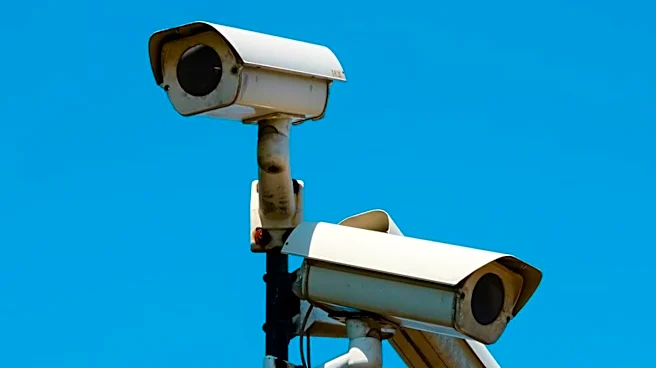
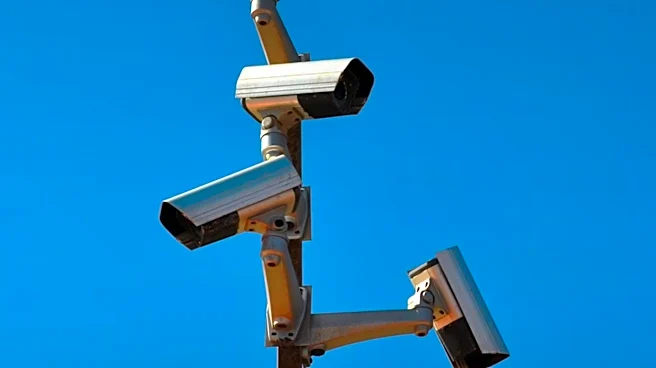
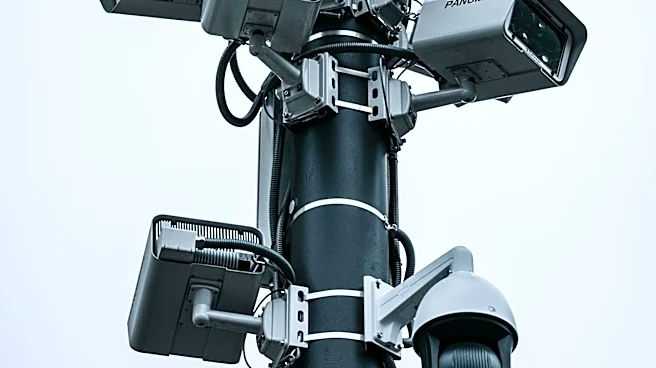
Police departments across Northeast Florida, including the Jacksonville Sheriff's Office, Nassau, Clay, and Putnam counties, are discontinuing the use of Flock license plate reader cameras. This decision follows a memo issued by the Florida Department
of Transportation (FDOT) blocking the use of these cameras statewide. The FDOT's action came just three days after Governor Ron DeSantis publicly expressed concerns about the widespread deployment of license plate readers, stating, 'I think these cameras, the license plate readers, I think it’s out of control.' The FDOT memo cited 'the recent exponential increase in deployments along our roadways coupled with concerning reports of misuse, data privacy concerns, and surveillance schemes' as reasons for immediate action to protect Floridians' sovereignty and quality of life. All affected cameras are required to be removed within 30 days, with FDOT threatening to remove them if agencies do not comply. Jacksonville Mayor Donna Deegan commended Sheriff Waters' responsiveness to community concerns, emphasizing the need to protect privacy when employing emerging technology.
Why It's Important?
This statewide directive from Florida's Department of Transportation marks a significant development in the ongoing debate between public safety and individual privacy rights in the digital age. While law enforcement agencies, such as the Jacksonville Sheriff's Office and Putnam County Sheriff Gator DeLoach, have lauded these cameras as invaluable tools for solving crimes, locating missing persons, and tracking suspects, the state's decision underscores growing public and governmental apprehension regarding potential misuse and surveillance. The move reflects a broader societal concern about the unchecked expansion of surveillance technology and its implications for civil liberties. This action could set a precedent for other states to re-evaluate their policies on automated license plate readers, potentially leading to more stringent regulations or outright bans. For technology providers like Flock Safety, this represents a substantial setback in a key market, highlighting the need for greater transparency and accountability in the deployment of their systems.
What's Next?
Following the FDOT's directive, all police departments in Florida that utilize Flock cameras must disconnect and remove them within 30 days. Putnam County Sheriff Gator DeLoach has already stated that the county's 18 cameras will be disconnected immediately and removed within the specified timeframe. Jacksonville City Council member Jimmy Peluso, who had previously intended to propose new regulations for Flock cameras in Duval County, may still file a bill to ensure community protection from similar surveillance systems. The Clay County Sheriff's Office has indicated its commitment to adhering to state guidelines and looks forward to continued conversations regarding technology in law enforcement. This situation will likely prompt further discussions and potential legislative efforts at both state and local levels to establish clearer frameworks and safeguards for the use of surveillance technologies, balancing public safety needs with privacy protections.
Beyond the Headlines
The Florida directive against license plate reader cameras delves into the complex ethical and legal dimensions of modern surveillance. While law enforcement argues for the efficacy of these tools in crime prevention and resolution, the underlying concern is the potential for a 'surveillance state' where citizens' movements are constantly tracked without their explicit consent or knowledge. The FDOT's mention of 'misuse, data privacy concerns, and surveillance schemes' suggests that the issue extends beyond mere data collection to how this data is stored, accessed, and potentially exploited. This decision could catalyze a broader re-evaluation of data governance policies for public agencies, emphasizing the need for robust legal frameworks that define the scope, limitations, and oversight mechanisms for such technologies. It also highlights the tension between technological advancement and fundamental rights, prompting a critical examination of what constitutes an acceptable level of surveillance in a democratic society.