
What's Happening?
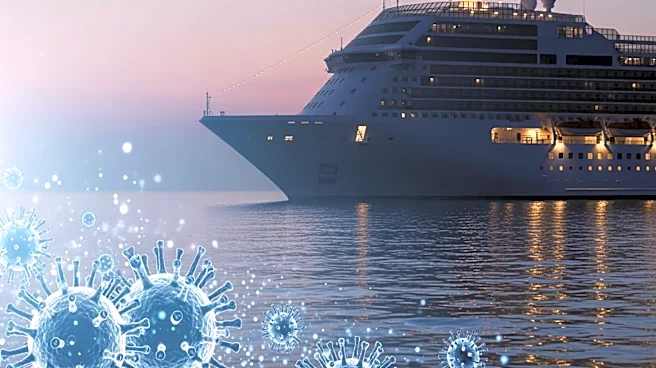
The World Health Organization (WHO) has called for calm among residents of Tenerife, a Spanish island, as it prepares to receive passengers from a cruise ship affected by a hantavirus outbreak. The ship,
which has already resulted in the deaths of three individuals, is set to dock on the island. The WHO's appeal comes amid concerns about the potential spread of the virus, which is known to cause severe respiratory issues. The situation has drawn significant attention as local authorities and health officials coordinate efforts to manage the arrival of the ship and ensure the safety of both passengers and residents.
Why It's Important?
The arrival of the hantavirus-infected cruise ship in Tenerife highlights the ongoing challenges of managing infectious disease outbreaks in a globalized world. The situation underscores the importance of international cooperation and effective communication in addressing public health threats. For the U.S., this incident serves as a reminder of the potential risks associated with international travel and the need for robust health monitoring systems. The response to this outbreak could influence future policies on cruise ship operations and international travel, impacting the tourism industry and public health protocols.
What's Next?
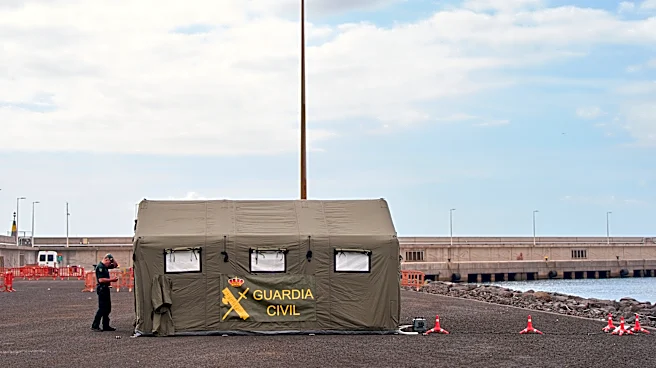
As the cruise ship docks in Tenerife, health officials are expected to implement strict quarantine measures to prevent further spread of the virus. The WHO and local authorities will likely continue to monitor the situation closely, providing updates and guidance to the public. The incident may prompt a review of health and safety protocols for cruise ships, potentially leading to new regulations aimed at preventing similar outbreaks in the future. Stakeholders in the travel and tourism industry will be watching closely to assess the impact on travel patterns and consumer confidence.