







What's Happening?
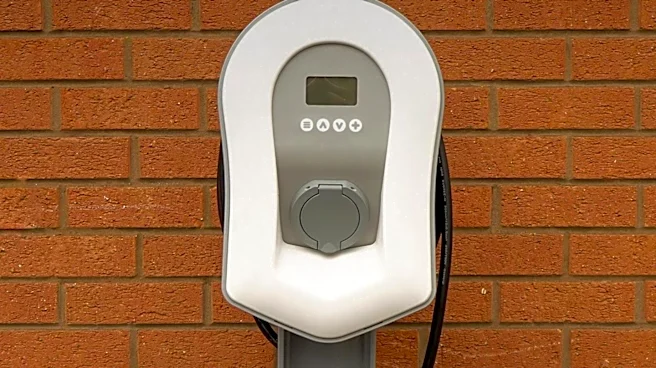
Governor Gavin Newsom of California has signed SB 168, a new bill aimed at promoting the purchase of electric vehicles (EVs) by offering instant rebates to first-time buyers. This initiative is part of California's zero-emission vehicle (ZEV) program,
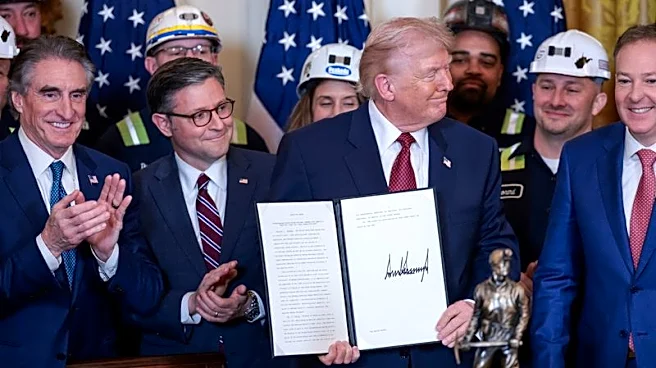
which allocates $135.5 million to provide financial incentives for EV purchases. The program requires automakers to match the state's funding dollar-for-dollar. Under this scheme, buyers can receive a $3,500 rebate for new EVs priced up to $50,000 and $1,750 for used EVs sold for up to $25,000. The governor's office emphasized that this measure will help families drive cleaner vehicles, improve air quality, and save money. This state-level action comes in response to the federal government's removal of EV tax credits, a decision made under President Trump's administration as part of a broader tax reform.
Why It's Important?
The signing of SB 168 is significant as it positions California as a leader in the clean transportation sector, potentially influencing other states to adopt similar measures. By providing financial incentives, the state aims to increase the adoption of electric vehicles, which could lead to reduced greenhouse gas emissions and improved air quality. This move also highlights the ongoing policy differences between California and the federal government, particularly regarding environmental and energy policies. The elimination of federal EV tax credits could have slowed the growth of the EV market, but California's initiative may counteract this by making EVs more accessible to consumers. Automakers participating in this program may also benefit from increased sales and a stronger presence in the EV market.
What's Next?
As the program rolls out, participating automakers will need to align with the state's requirements to offer these rebates. The success of this initiative could prompt other states to consider similar programs, potentially leading to a broader national shift towards electric vehicles. Additionally, the program's impact on EV sales and environmental benefits will likely be monitored closely by policymakers and industry stakeholders. The ongoing debate between state and federal policies on clean energy and transportation may continue to evolve, with potential implications for future legislation and market dynamics.