








What's Happening?
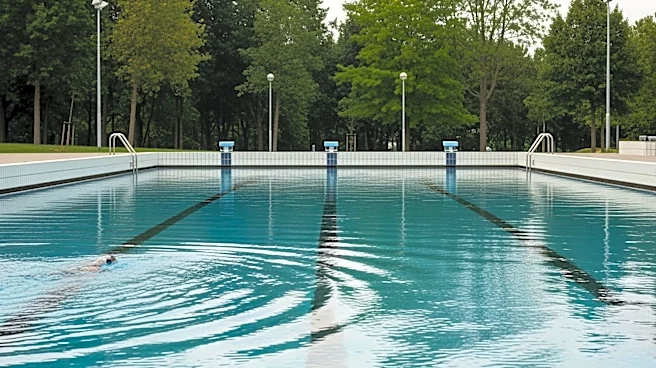
The Centennial Park Aquatic Center in Orland Park has been temporarily closed following the confirmation of two cases of Escherichia coli (E. coli) linked to the facility. The closure is a precautionary measure as the village's Recreation Department conducts
water sampling and monitors conditions. Despite water samples consistently meeting normal recreational guidelines, the confirmed illnesses have prompted this action. The pool, located at 15600 West Ave., had opened for the summer season on May 23. Local authorities are advising individuals who have visited the pool and are experiencing symptoms such as diarrhea, stomach cramping, nausea, vomiting, or fever to seek medical attention. E. coli bacteria, which are typically harmless, can cause diarrheal infections when contracted from contaminated food or water, with symptoms usually appearing three to four days after exposure.
Why It's Important?
The closure of the Centennial Park Aquatic Center highlights the public health risks associated with recreational water facilities. E. coli infections, while often mild, can lead to severe health complications, particularly in vulnerable populations such as young children and the elderly. This incident underscores the importance of stringent health and safety protocols in public swimming facilities to prevent the spread of infectious diseases. The situation also serves as a reminder for local governments and health departments to maintain vigilant monitoring and rapid response strategies to protect public health. The economic impact on the local community could be significant, as the pool is a popular summer destination, potentially affecting local businesses that benefit from pool-related tourism and activities.
What's Next?
The pool will remain closed until further notice as officials continue to investigate the source of the E. coli contamination and ensure the safety of the water. The village will likely implement additional safety measures and possibly revise existing protocols to prevent future occurrences. Public health officials may also increase educational efforts to inform the community about the risks of E. coli and the importance of hygiene in preventing infections. The outcome of the investigation and subsequent actions will be closely watched by other recreational facilities to assess the effectiveness of current safety standards and practices.