




What's Happening?
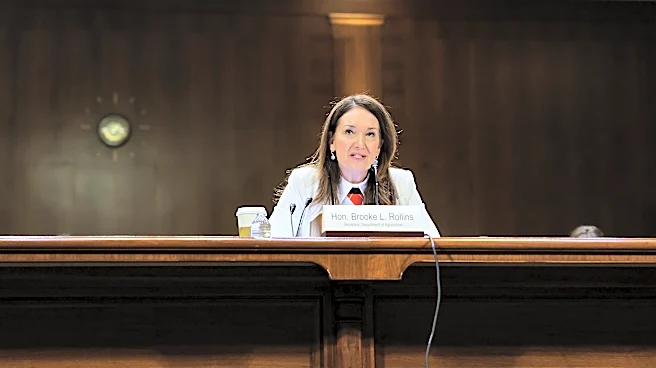
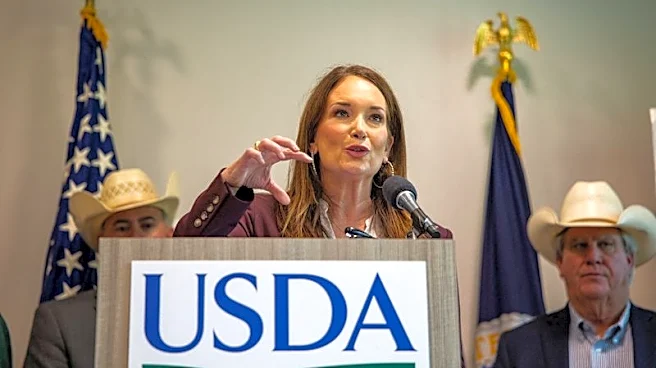
The U.S. Department of Agriculture (USDA) is implementing new initiatives to support veterans and military families, particularly those residing in rural areas. These efforts coincide with Veterans Day observations. According to Agriculture Secretary
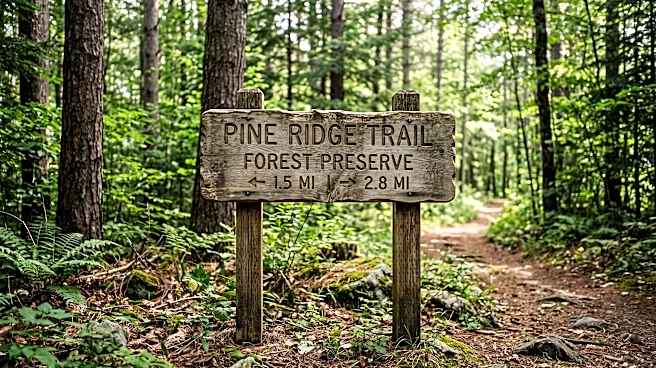
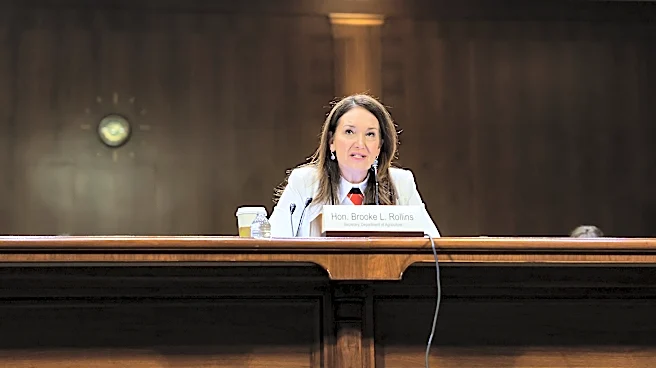
Brooke Rollins, the USDA has significantly exceeded its hiring goal, bringing on board over 240 veterans and military spouses, more than double the initial target of 100 hires in 100 days. Additionally, the department is launching a program to name specific National Forest trails in honor of fallen service members. To further assist veterans, Army veteran Richard Lopez has been appointed to help them access agricultural loans, grants, and other resources. These initiatives are designed to provide opportunities and support for the approximately 4.5 million veterans who live in rural America, representing over a quarter of all living veterans.
Why It's Important?
These USDA initiatives are important because they address the unique needs and contributions of veterans in rural America. Rural communities have historically played a significant role in military service, with 44 percent of military recruits in 2005 originating from these areas, and 26 percent of U.S. military deaths in Iraq and Afghanistan coming from rural communities. By focusing on hiring veterans and military spouses, the USDA is providing direct economic opportunities and leveraging the skills and dedication of this demographic. The appointment of Richard Lopez to guide veterans through agricultural resources is crucial for fostering economic independence and growth within the veteran community, particularly in the agricultural sector. Furthermore, honoring fallen service members through National Forest trail naming acknowledges their sacrifices and provides a lasting tribute within the natural landscapes many rural veterans call home.
What's Next?
The USDA's commitment to supporting veterans in rural America is expected to continue through these established programs. The hiring of veterans and military spouses will likely remain a priority, potentially leading to further integration of this demographic into federal employment. Richard Lopez's role will involve actively connecting veterans with available agricultural loans, grants, and resources, which could lead to an increase in veteran-owned and operated agricultural businesses. The National Forest trail naming program will proceed, with specific trails being designated to honor fallen service members, creating tangible memorials. These ongoing efforts aim to ensure that veterans in rural areas have sustained access to support and opportunities, reinforcing the USDA's dedication to this community.
Beyond the Headlines
Beyond the immediate benefits, these USDA initiatives highlight a broader recognition of the challenges and potential of veterans in rural settings. The focus on agricultural resources for veterans could stimulate rural economies by encouraging entrepreneurship and land stewardship among a highly disciplined and skilled population. This also touches upon the therapeutic benefits of nature and outdoor activities, which can be particularly impactful for veterans. The symbolic act of naming trails after fallen service members not only honors their memory but also integrates their legacy into the public landscape, fostering a deeper connection between military service and the nation's natural heritage. These efforts could also inspire other government agencies and private organizations to develop similar targeted programs for veterans in various sectors.