



What's Happening?
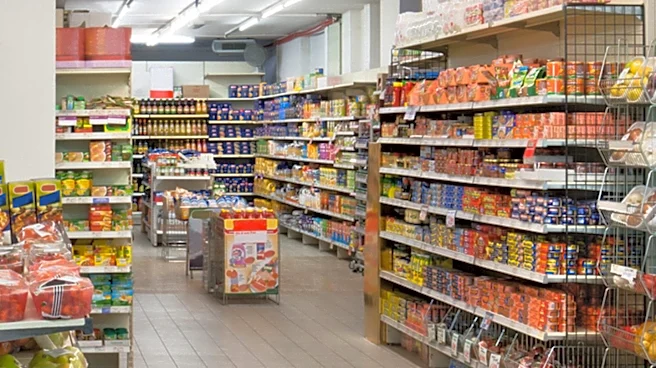
The United Community Corporation (UCC) in Newark's West Ward has transformed its traditional food pantry into 'The Market at UCC,' a grocery store-style facility. This new model replaces the previous system of pre-packed bags with brightly lit aisles
offering fresh produce, frozen foods, and staples, allowing individuals to choose their own items free of charge. The initiative aims to provide a more respectful and community-oriented experience, addressing the issue of recipients receiving unwanted items. This change follows the lead of similar programs in North Jersey, such as the CUMAC Market in Paterson and the Garfield Unity Pantry. City leaders in Newark plan to roll out more grocery-style food pantries and pay-what-you-can markets across the city's neighborhoods later this year, with various nonprofits like Clinton Hill Community Action and La Casa de Don Pedro operating them. The food and products are sourced from local food banks and donations from grocery stores like Stop & Shop and Trader Joe’s. The Market at UCC has already attracted visitors from beyond Newark, including Passaic, Paterson, and Elizabeth.
Why It's Important?
This shift in food assistance models is significant for addressing food insecurity in Newark, where the problem is exacerbated by new federal policies on SNAP benefits that have reduced the number of eligible individuals. By allowing recipients to choose their own food, the new model promotes dignity, health, and wellness, giving individuals control over their dietary needs and preferences. This approach contrasts with the 'take-it-or-leave-it' method of traditional pantries, which often resulted in wasted food and a less empowering experience for those in need. The expansion of this model across Newark's wards indicates a broader recognition of the need for more client-centered food assistance programs. The increased interest in volunteering, partly driven by individuals seeking to meet criteria for SNAP benefits, highlights the ongoing challenges faced by many families in Newark and the interconnectedness of food assistance with other social welfare programs.
What's Next?
Newark city leaders are planning to open similar grocery-style markets in each of the city's five wards later this year. These new facilities will be operated by various nonprofits, including Clinton Hill Community Action, which already runs 'Our Community Grocery Store' in the South Ward, and La Casa de Don Pedro. The success of 'The Market at UCC' in attracting visitors from neighboring cities like Passaic, Paterson, and Elizabeth suggests a potential for regional impact and the adoption of this model beyond Newark. The United Community Corporation anticipates continued high demand, as evidenced by the long lines at their facility, indicating an ongoing need for such services. The focus will likely remain on securing food donations from local food banks and grocery stores to sustain these operations and meet the growing demand for choice-based food assistance.
Beyond the Headlines
The transition from traditional food pantries to grocery store-style markets represents a deeper philosophical shift in how communities address food insecurity. It moves beyond simply providing sustenance to restoring agency and dignity to individuals facing hardship. This model acknowledges that food choices are integral to personal health, cultural identity, and overall well-being, rather than just a basic necessity. The emphasis on a 'community feel' and a more welcoming environment aims to combat the stigma often associated with receiving food assistance. Furthermore, the increased interest in volunteering, even if partly motivated by SNAP benefit requirements, underscores the complex interplay between social support systems and individual needs, highlighting how community engagement can be fostered through innovative program design. This approach could set a precedent for other cities grappling with similar challenges, promoting a more holistic and human-centered approach to social welfare.