








What's Happening?
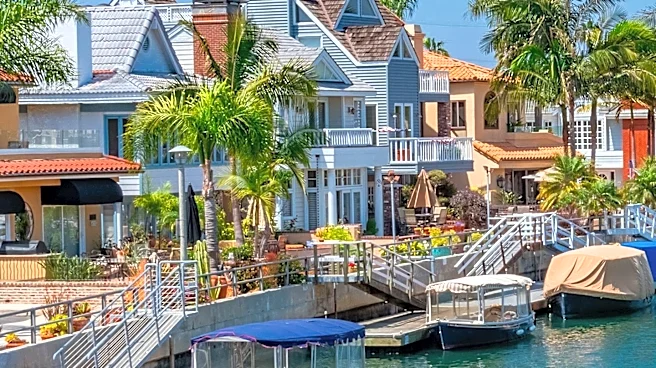
Waterfront property values in Greenville, Maine, have surged by an average of 205% following the lakefront community's first market adjustment in decades. This significant increase is leading to higher tax bills for many property owners in the Piscataquis
County town, which features a mix of multimillion-dollar homes and more modest residences around Moosehead Lake. The area has seen a substantial rise in home values since the onset of the pandemic. Town Manager Mike Roy noted that the entire Moosehead Lake region is experiencing rapid growth. This situation mirrors trends in other small Maine towns where land values are increasing due to a nationwide housing shortage and high demand from out-of-state buyers. While property values have risen by 205%, the town has adjusted its mil rate from $20.85 to $11.47 per $1,000 of property, meaning tax increases will not be proportional to the value spike. However, the state's assessment now designates Greenville as the most valuable town in Piscataquis County, impacting its contribution to the county budget.
Why It's Important?
This dramatic increase in waterfront property values in Greenville, Maine, highlights a broader trend affecting coastal and desirable rural communities across the U.S. The surge in property values, driven by factors like the pandemic-induced housing boom and increased demand from out-of-state buyers, is significantly altering the economic landscape of these areas. For long-time residents and those with more modest properties, the rising tax burdens can make it difficult to retain their homes, potentially leading to displacement and a loss of community character. The inability of many lakefront property owners, who often do not reside in Greenville full-time, to claim homestead exemptions further exacerbates their tax burden. This situation underscores the challenges local governments face in balancing property tax revenue needs with the desire to maintain affordability and community diversity. The shift in property ownership from local residents to wealthier, often out-of-state, buyers can also lead to changes in local services, infrastructure demands, and the overall social fabric of these towns.
What's Next?
Greenville residents and property owners can expect continued adjustments to their tax bills, even with the town's reduction in the mil rate. The long-term implications of the increased property values will likely include ongoing discussions about property tax relief mechanisms and potential changes to local zoning or development policies to manage growth. The town may need to explore strategies to support long-term residents and ensure that the community remains accessible to a diverse range of income levels. Furthermore, the state's assessment of Greenville as the most valuable town in Piscataquis County will continue to influence its financial contributions to the county budget, potentially leading to further fiscal pressures or opportunities. The trend of rising property values and associated tax increases is expected to persist in desirable areas, prompting other communities to consider similar market adjustments and their socio-economic consequences.
Beyond the Headlines
The situation in Greenville, Maine, reflects a deeper societal shift where the allure of waterfront and scenic properties, particularly in a post-pandemic world, is creating significant economic and social stratification. The narrative of long-time residents, like retired teacher Anne Zeller, struggling to pass down their properties due to escalating taxes, highlights the erosion of intergenerational wealth transfer for some, while others benefit from appreciating assets. This phenomenon raises ethical questions about equitable access to desirable living spaces and the role of property taxation in either preserving or disrupting community heritage. The 'awful loop' described by Town Manager Mike Roy, where real estate sales drive up values and subsequently taxes, points to a systemic challenge that extends beyond individual towns, impacting regional housing markets and the broader U.S. economy. It also underscores the tension between economic development and the preservation of local culture and affordability.